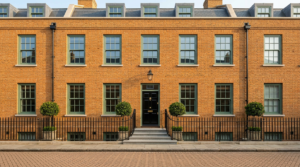
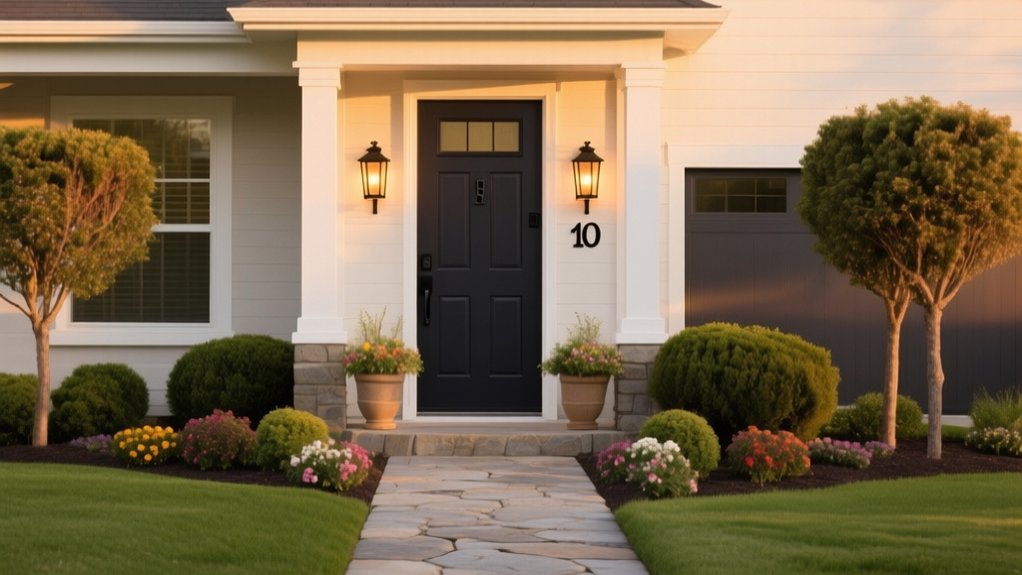
The exterior presence of your home speaks volumes. Start with a 10-minute pavement check: clear clutter, pull weeds, sharpen path edges, and make your house number readable. Deep-clean next—clear gutters, wash windows and trims, and power-wash drives and patios to lift algae. Patch cracks, regrout, caulk gaps, then touch up flaking paint with an exterior-grade system. Refresh the front door with clean hardware and a British Standard latch, then add warm (2700–3000K) IP44 lighting and neat planters. Keep going to see the smartest, UK-friendly upgrades by budget.
Key Takeaways
- Assess curb appeal from the pavement; remove clutter, tidy seasonal décor, and ensure the front gate and entrance feel inviting.
- Deep clean exteriors: clear gutters, wash windows and trims, and power-wash paths and driveways to remove algae and grime.
- Fix small defects early: fill cracks, replace rotten timber, resecure coping stones, and repaint flaking areas with exterior-grade systems.
- Refresh the entrance with cohesive paint and hardware; use bold, readable house numbers and add warm, IP44-rated layered lighting.
- Sharpen landscaping: weed, edge borders, top up gravel and mulch, add matching planters, and keep walkways level, swept, and moss-free.
Do a 10-Minute Curb Appeal Checklist
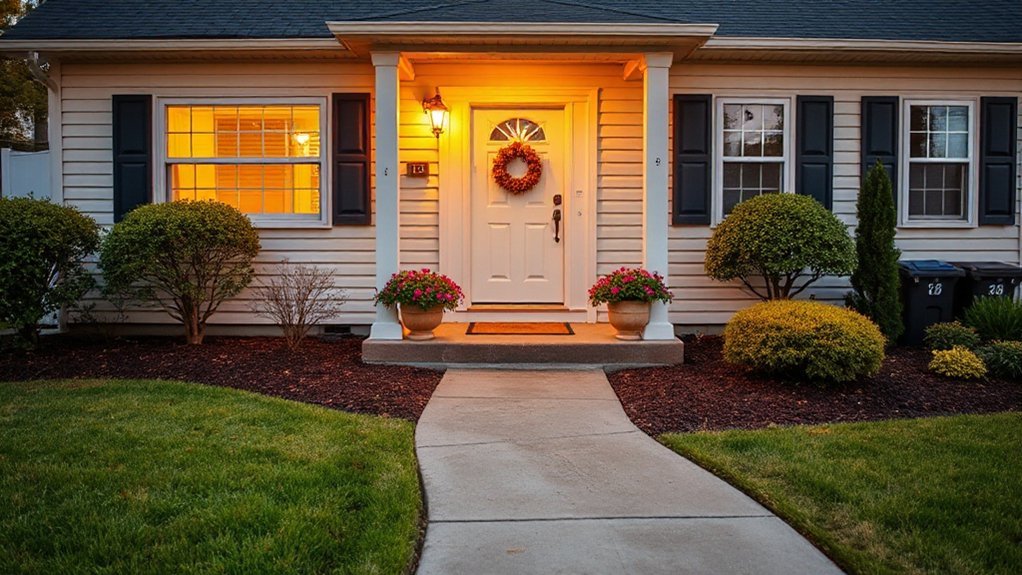
Before you spend a penny on upgrades, take ten minutes to assess what passers-by actually see from the pavement. Stand opposite your front gate and scan left to right: bins on display, peeling paint, algae on paths, and any clutter in the porch. Check the front door hardware, letterbox, and house number—are they straight, clean, and readable in low light?
Now walk the route a visitor takes. Confirm the path’s edges are crisp, weeds pulled, and gravel topped up. Note whether hedges block windows or sightlines; jot quick actions for Landscape planning, such as trimming, re-edging beds, and defining a focal plant.
Finally, review Seasonal decorations: keep them tidy, weatherproof, and proportionate, and remove anything faded or out of season.
Choose Upgrades by Budget and ROI
Once you’ve clocked what’s dragging your frontage down, choose upgrades that match your budget and deliver a clear return—whether that’s a quicker sale, a stronger valuation, or simply fewer maintenance headaches.
Start with low-cost, high-impact swaps: a modern letterbox, new house numbers, and a crisp front door colour.
If you can spend a bit more, prioritise durability and kerbside confidence: replace tired fencing panels, upgrade the path edging, or refresh the driveway surface where it’s failing.
Add discreet landscape lighting along steps and the approach to improve safety and evening appeal (a big plus for winter viewings).
For lifestyle value, invest in weatherproof outdoor furniture that fits the space and signals usable seating, not clutter.
Price each job, compare quotes, and stage works for best ROI.
Deep-Clean the Exterior (Fastest Win)
How quickly can you lift your home’s kerb appeal? Start with deep exterior cleaning; it’s the fastest win and it shows immediately.
Clear gutters and downpipes of debris, then rinse fascias, soffits, and uPVC trims with warm water and a mild detergent.
Use power washing on driveways, patios, and paths to strip algae and ingrained dirt, keeping the lance moving and the pressure appropriate for block paving and concrete.
Scrub brickwork at ground level where splashback leaves tide marks, and wash windows, frames, and sills so light reflects cleanly.
Finish by treating moss on roofs and shaded walls with a biocide approved for UK use, following label timings and runoff guidance.
Patch, Caulk, and Touch Up Small Damage
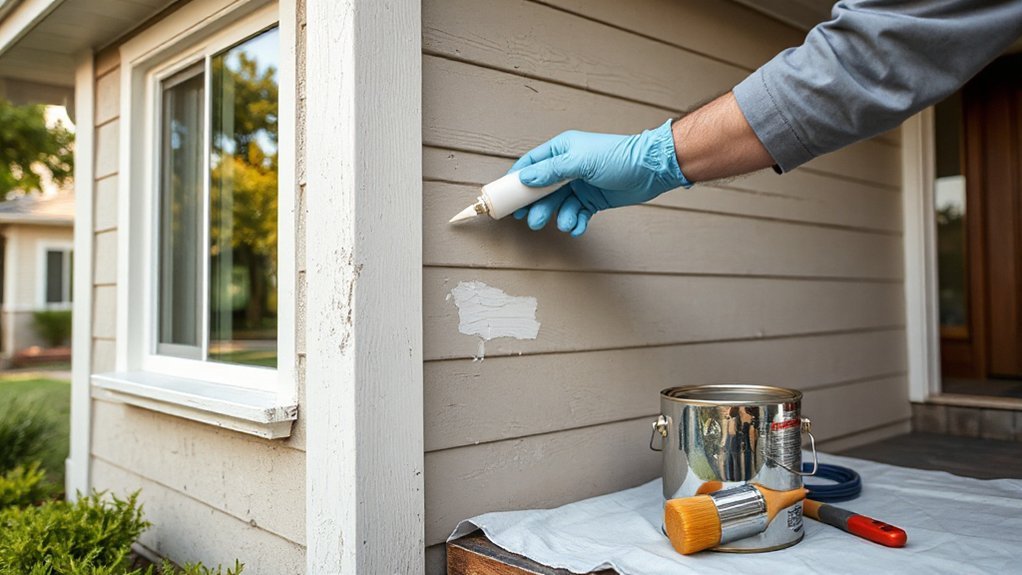
Even if your exterior looks clean, small defects can still drag kerb appeal down, so tackle the quick fixes that buyers notice at eye level. Walk the frontage in daylight and mark cracks, blown render, and flaking trim.
For Patch maintenance, scrape back loose paint, fill with exterior-grade filler or mortar, then sand flush once cured. Replace missing grout on steps and re-bed any wobbly coping stones before water gets in.
Use Caulk sealing to stop draughts and damp: cut out failed beads, wipe surfaces, then run a neat, continuous line and tool it smooth.
- Hairline cracks around window reveals and bay edges
- Gaps where pipes meet brickwork and along fascia joints
- Scuffed sills, chipped masonry, and nail holes on trims
Refresh the Front Door for Instant Impact
Because it’s the first element visitors and buyers focus on, your front door needs to look solid, crisp, and well cared for. Start by washing it with sugar soap, then rinse and dry fully to prevent streaking.
Tighten hinges, adjust the strike plate, and fix any sticking so it closes with a confident latch.
Replace tired hardware: a brushed nickel or matt black handle set, a matching letterbox, and a modern door knocker instantly smarten the look.
Upgrade security with a British Standard night latch and a clean, aligned cylinder escutcheon.
Finish your front door decor with a tidy, well-fitted doormat and one set of seasonal wreaths, sized to avoid covering the house number or spyhole.
Keep glass clean and seals intact too.
Pick Exterior Paint Colors That Sell
To help your home sell, you’ll get the best results with broadly appealing neutrals that suit the UK market, such as warm greys, soft creams, and muted sages.
You should match the main colour to your property’s architecture—Victorian brickwork, Edwardian render, or a modern townhouse each reads differently in daylight.
Finish by coordinating trim and accents, keeping fascias, window frames, and the front door in a tight, consistent palette for a crisp kerbside look.
Choose Broadly Appealing Neutrals
When you’re choosing exterior paint with resale in mind, broadly appealing neutrals give your home the widest buyer appeal. In the UK market, soft greys, warm taupes, and clean off-whites signal care and competence through smart Color psychology, without feeling stark. They also mask everyday grime from traffic spray and rain streaking better than bright shades, helping exterior durability and reducing how often you’ll need a refresh.
Aim for a balanced scheme that looks crisp in weak winter light and still reads warm on sunnier days:
- A pale greige main colour that smooths visual clutter
- A deeper charcoal for doors and trim to add definition
- A muted white for soffits and window surrounds to lift contrast
Stick to satin or low-sheen finishes for easy cleaning and fewer roller marks.
Match Colors To Architecture
Broad neutrals sell, but they sell best once you tailor them to your home’s architecture. Start by identifying your architectural style: Victorian terraces suit warmer greiges and heritage stone tones; 1930s semis read sharper in clean, light taupes; contemporary builds take cooler greys and soft charcoals without looking stark.
Aim for colour harmony with local materials you can’t change, such as London stock brick, Cotswold stone, slate, or pebble-dash—your paint should support, not fight, those undertones. Check the aspect, too: north-facing elevations in the UK need slightly warmer shades to avoid looking flat.
Always test large swatches in daylight and wet weather, since our skies shift quickly year-round.
Coordinate Trim And Accents
Because buyers read the details first, coordinate your trim and accents to give the façade crisp structure and an intentional finish. Start with your main wall colour, then choose a trim shade that supports Color harmony while delivering clean Trim contrast.
In the UK light, small shifts in undertone show quickly, so test swatches on north and south elevations before committing. Keep the palette tight and repeat it across features so the exterior looks maintained, not patched.
- Satin white or warm stone on fascias and window frames to sharpen lines
- A darker front door colour (ink, forest, oxblood) to signal entry and quality
- Matching metalwork tones for railings, gutters, and house numbers for cohesion
Aim for two neutrals plus one accent, and your kerb appeal reads deliberate.
Update Trim and Shutters Without Overdoing It
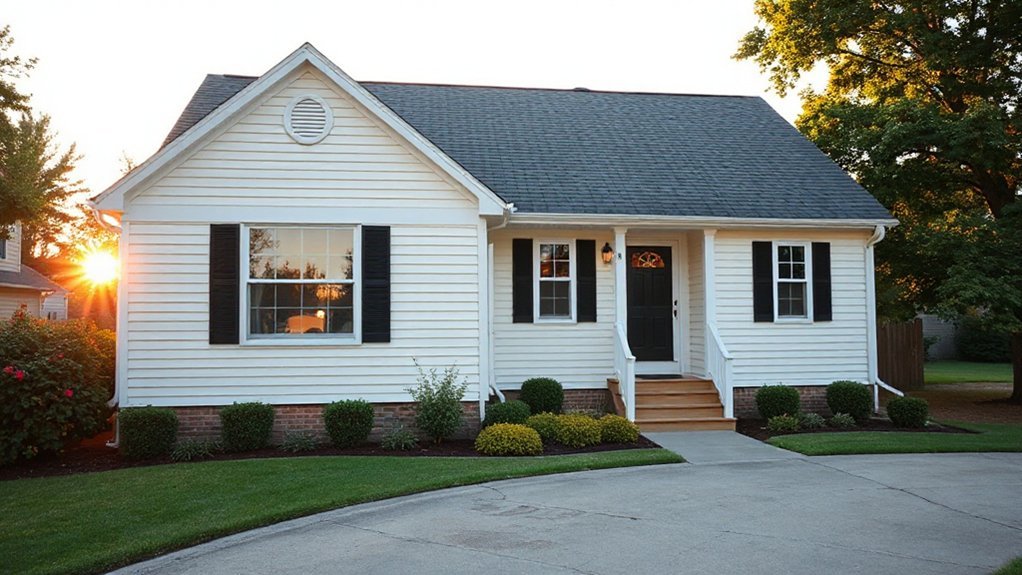
Keep your trim and shutters crisp by choosing a balanced palette that suits your brick, render, or stonework—think one clean contrast rather than multiple competing tones.
You’ll lift the frontage fast by revitalizing tired hardware and giving frames and louvres a proper prep and repaint with a durable exterior finish.
Stick to restrained updates, and you won’t overwhelm period details or fall foul of a street’s established character.
Choose Balanced Color Palette
While your front door and landscaping grab the initial attention, a balanced exterior colour palette is what makes the whole façade look intentional rather than pieced together. Start by reading your home’s fixed elements—roof tiles, brick tone, stone lintels—then build color harmony around them. Keep contrast controlled: trim should define edges, not shout.
Use disciplined paint selection: pick one main body colour, one trim tone, and one restrained accent for shutters or bargeboards, especially on Victorian and Edwardian fronts.
- Warm greige render with crisp off-white fascia and slate-blue shutters
- Red brick with putty-toned trim and deep forest-green details
- Painted pebble-dash in soft sage, cream soffits, and charcoal accents
Always test in UK daylight; overcast shifts undertones dramatically across elevations.
Refresh Hardware And Paint
Once you’ve settled on a disciplined palette, the quickest way to sharpen kerb appeal is to refresh the bits you touch and see up close: trim lines, shutters, hinges, letterplates and door furniture.
Start with Hardware updates: swap tired brass for satin nickel or black, match finishes across knocker, handle and house numbers, and choose weather-rated fixings for coastal or exposed sites. Keep shapes simple so period details still read.
Then plan a controlled paint refresh. Sand back flaking timber, prime knots, and use exterior-grade systems (microporous for wood, masonry paint for render). Recoat fascia, soffits, and window trim in one crisp tone; paint shutters the same or one shade deeper.
Stop at two accents, and you’ll look intentional, not fussy.
Exterior Lighting That Looks Good and Feels Safe
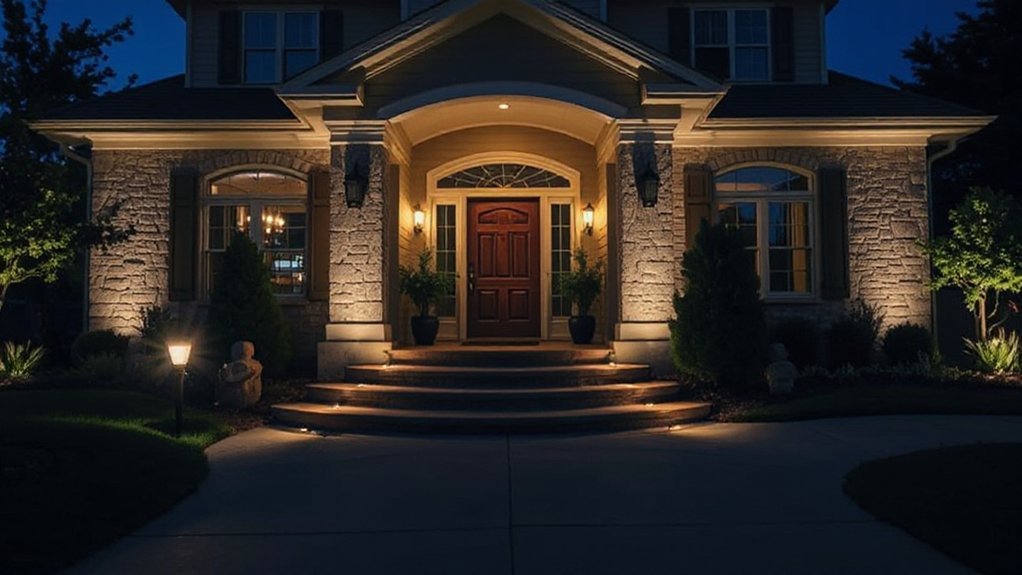
Because the right exterior lighting shapes first impressions as much as it deters intruders, you should treat it as both a design feature and a practical safety upgrade. Start with layered light: a warm ambient glow near entrances, then targeted beams for steps and darker corners. Choose fittings rated at least IP44 for the UK’s rain, and match colour temperatures (around 2700–3000K) so the frontage looks cohesive, not patchy.
- Low bollards or recessed spikes create crisp pathway illumination without glare.
- PIR sensor wall lights cover side returns and bins, switching on only when needed.
- Downlights under eaves wash brickwork and planting, adding depth and shadow control.
Aim lights downward, shield bulbs from view, and avoid overlighting neighbours’ windows.
House Numbers, Mailbox, and Door Hardware
Even if your paintwork and planting look spot-on, scuffed door furniture or hard-to-read house numbers can drag the whole frontage down and frustrate deliveries.
Replace faded digits with bold, high-contrast numerals sized to be read from the pavement; fix them level, with proper plugs for brick or render. Keep fonts simple so couriers and emergency services don’t hesitate.
Treat the mailbox as part of your curb appeal, not an afterthought. Choose a weatherproof unit with a sprung flap and a secure lock, and mount it at a sensible height for Royal Mail.
Finish with coordinated door hardware: a solid letter plate, knocker, handle, and cylinder in matching metal. Clean, tighten, and lubricate fixings so exterior details feel cared-for daily.
Porch Planters: Add Color, Skip Clutter
If you want an instant lift without repainting the whole frontage, porch planters deliver colour and structure while keeping the entryway clear. Treat them as architectural accents: choose two matching containers to frame the door, then add a smaller pot for depth. Smart container design means weighty terracotta, lead-effect, or powder-coated steel that won’t topple in a British gust.
For Seasonal planting, keep the palette tight and swap in reliable performers:
- Spring: tulips, violas, trailing ivy for crisp edges
- Summer: pelargoniums, lavender, bacopa for scent and spill
- Winter: skimmia, heuchera, cyclamen with evergreen boughs
Use slow-release feed and a hidden saucer to protect paving. Keep heights below the letterbox and sightlines to the knocker.
Make the Front Walkway Clear and Welcoming
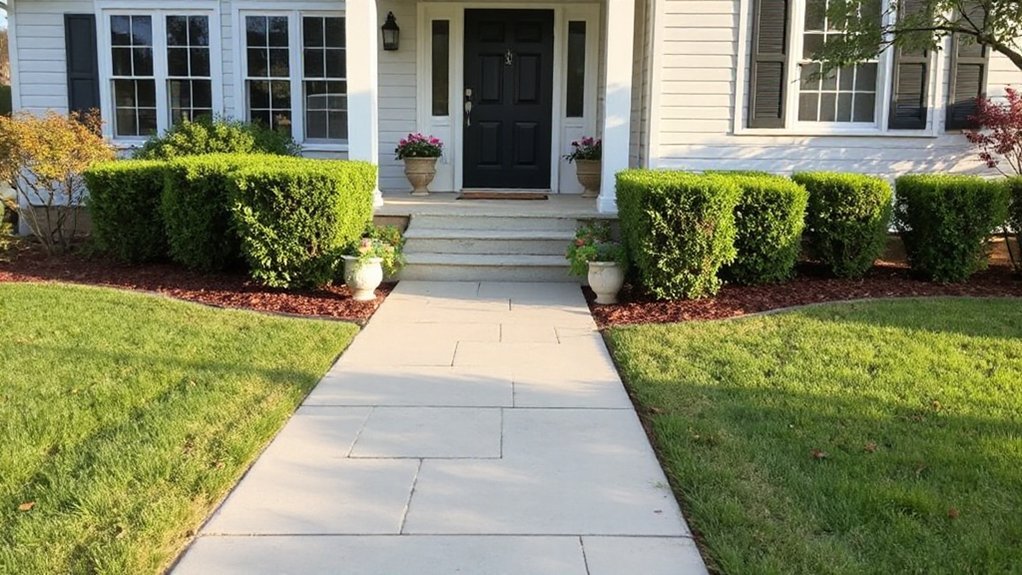
While your front door does the greeting, the walkway sets the tone, so keep it clear, level, and easy to read at a glance. Start by removing bins, bikes, and delivery clutter, then sweep weekly to stop moss and slip risk in damp UK weather.
Check slabs and edging for rocking; relay loose pavers, top up jointing sand, and fix trip points before they worsen. Keep the path width generous—aim for two people to pass—by trimming back overhang from hedges and flower beds.
Add discreet, low-level lighting along the route, angled down to avoid glare. Position garden ornaments well off the line of travel, and avoid anything that narrows corners.
Finish with a crisp doormat and visible house number.
Budget Landscaping That Reads “Well Kept
You don’t need big spend to make your front garden look well kept—you need crisp edges, tidy borders, and a clear line between lawn and beds.
Refresh bare soil with a thin layer of fresh mulch to lock in moisture and give everything a uniform, cared-for finish.
Then add low-cost colour accents—seasonal bedding plants, a few pots by the door, or a clipped evergreen—to sharpen kerb appeal fast.
Clean Edges, Fresh Mulch
Where does a front garden start looking “well kept” rather than merely “tidy”? It’s the moment you control the lines and reset the surface. Edge detailing gives beds a crisp boundary against paving, lawn, and gravel, so everything reads intentional from the kerb.
Use a half-moon edging iron or spade, then cut a clean trench and lift stray turf. Rake beds level and clear leaf litter before you top up.
Prioritise Mulch freshness: a 5–7cm layer of bark or composted wood chips suppresses weeds and unifies the planting.
- Sharp bed edges that track paths and borders
- Even mulch depth with no bare patches showing
- A swept finish: no soil on slabs or blocks
Low-Cost Color Accents
How do you make a front garden look “well kept” on a shoestring? You control colour, repeat it, and keep it tidy.
Pick two or three Colour schemes: one foliage green, one flower colour, plus a neutral (charcoal, stone, or white). Then buy cheap impact: violas, pansies, and geraniums in multipacks, planted in matching pots by the door and along the path.
Paint a tired fence panel or bin store as a simple Accent walls feature; use exterior masonry paint in slate grey or soft sage, then echo that tone in planters.
Refresh the front step with a single contrasting pot.
Finally, deadhead weekly and sweep paving—colour only reads “kept” when everything else is clean.
Window Curb Appeal: Trim, Grids, Coverings
Although paint and planting often steal the spotlight, your windows set the rhythm of the entire façade, so it’s worth sharpening their details. Start with crisp, straight trim: repair rough edges, then choose a satin exterior finish that suits your brick, render, or stone. If you’ve got uPVC, use colour-matched trims and neat sealant lines to avoid a tired look.
Next, refine Window grid patterns—consistent proportions and alignment across elevations read “intentional”, not fussy. For coverings, keep them tidy and period-appropriate; bulky blinds behind glass can look cluttered from the pavement. Add Decorative window shutters only where they’ll look believable and balanced.
- Slimline grids with equal spacing
- Narrow, contrasting trim with clean corners
- Shutters, awnings, or simple linen-look rollers
Siding Repairs That Prevent Bigger Problems
Because even a hairline gap can pull in wind-driven rain, you should treat siding repairs as preventative maintenance rather than a cosmetic tidy-up. Start by checking laps, corners, and penetrations for cracked sealant, popped nails, and warped boards.
Replace any soft sections before rot reaches battens or sheathing, and re-fix loose panels so they don’t rattle in gales.
Match repairs to your Siding material choices: patch fibre cement with compatible filler, splice timber with treated sections, and avoid mixing metals that trigger corrosion.
After cleaning and drying, prime bare edges and finish with weather resistant coatings to stop UV breakdown and capillary uptake.
Keep ground clearance and clear weep paths so trapped moisture can drain, not fester.
Make the Garage Door Look Intentional
If your garage door dominates the frontage, you’ve got to make it look like it belongs there. Match the door’s style to your home’s period and details.
Then coordinate paint, trim, and surrounds so it reads as a deliberate feature rather than an afterthought.
Finish it properly with upgraded handles and hinges, plus well-placed exterior lighting to sharpen the look and improve security.
Match Garage Door Style
When the garage sits on the front elevation, the door often becomes the dominant feature, so it needs to look like a deliberate part of the design rather than an afterthought. Match the door’s proportions and detailing to your home’s era: clean lines for new-builds, recessed panels for Georgian or Victorian, and simple boarded looks for cottage styles.
Choose Garage door materials that echo what’s already on the façade—timber for traditional warmth, steel for crisp modernity, or GRP for period-style mouldings with low upkeep.
Don’t ignore garage door insulation; a well-insulated sectional door sits flatter, shuts cleaner, and performs better in the UK’s damp, changeable weather.
- Vertical ribbing that mirrors cladding or bay rhythms
- Glazing bars aligned to existing window patterns
- Hardware and hinges that suit the architectural character
Coordinate Colors And Trim
A well-chosen garage door style only lands properly once the colour and trim make it read as part of the façade. Start by sampling the dominant tones on your home: brick warmth, render coolness, or stone flecks. Then choose a garage colour that supports them rather than fights them.
Aim for Color harmony by repeating one existing shade from window frames, front door, or guttering. Keep contrast measured, especially on tight UK terraces.
Use Trim detailing to frame the opening cleanly. Paint the reveal, fascia, and any timber surround to match your joinery, or slightly darker to “set” the door back. Keep lines crisp, mask properly, and maintain consistent sheen levels across adjacent elements.
Upgrade Hardware And Lighting
Although paint and trim do most of the heavy lifting, the right hardware and lighting make your garage door look designed rather than merely installed. Choose Decorative hardware that matches your home’s period cues—black wrought-style straps suit cottages, while brushed stainless works on contemporary builds.
Keep proportions honest: oversize handles can overwhelm narrow panels, but undersized hinges look like an afterthought.
Upgrade your lighting fixtures so the door reads as a deliberate elevation, not a service opening. Aim for warm-white LEDs (around 2700K) and place fittings to frame, not glare.
For a UK driveway, consider:
- Matte-black strap hinges with a matching centre handle
- Twin wall lanterns either side at eye level
- A discreet PIR downlight above for safe arrivals at night
Use Fences and Gates to Frame the Yard
If you want your front garden to look intentional rather than untamed, use fences and gates to create a clear frame for the space. Choose a consistent height and line so borders read cleanly from the pavement, and set the gate on axis with your path to guide visitors naturally to the door.
Prioritise fence maintenance: treat timber with a UK-weatherproof stain, replace loose posts, and keep panels level to prevent sagging after heavy rain. Upgrade fixings with galvanised or stainless screws to stop rust streaks.
For gate security, fit a quality latch and a lockable drop bolt, and ensure hinges are coach-bolted, not lightly screwed. Finally, trim planting back from rails so the structure stays visible year-round.
Match Curb Appeal to Your Neighborhood’s Style
Before you pick colours, cladding, or lighting, look closely at what your street already does well and let that set the tone. You’ll get stronger Neighborhood compatibility when your upgrades echo nearby rooflines, brick tones, and boundary treatments, especially on UK terraces and 1930s semis.
Aim for Architectural harmony, not imitation: keep your house distinct while respecting the prevailing rhythm of materials and proportions.
- Match brick, render, or stone shades to neighbouring façades, then add one restrained accent colour.
- Choose window styles and glazing bars that suit the era, and keep soffits and gutters consistent.
- Use lighting that’s warm and downward-facing, avoiding harsh security floods that spill onto pavements.
If your area has conservation rules, check local guidance before you order finishes or signage.
Frequently Asked Questions
Do I Need a Permit for Exterior Renovations or Cosmetic Changes?
You might need a permit, depending on scope. UK Permit requirements vary by planning permission and building regs; cosmetic changes usually don’t, but listed buildings, conservation areas, structural works, or new openings often do. Check council.
How Can I Boost Curb Appeal When Renting or Under HOA Rules?
You can boost curb appeal by choosing reversible Landscaping ideas: pots, hanging baskets, and neat edging. Add compliant Exterior lighting: solar path lights or battery wall lamps. Stick to neutral colours, tidy bins, and get approval.
Which Exterior Upgrades Increase Resale Value Most in My Region?
Regional resale rises most when you prioritise polished, practical projects: driveway paving, tidy landscaping with landscape lighting, and refreshed front doors. You’ll also win with roof repairs and energy-efficient windows, matching local buyer demand and comps.
What’s the Best Season and Weather for Exterior Improvement Projects?
You’ll get best results in late spring to early autumn, when it’s dry and mild. Prioritise seasonal timing: avoid frost, heatwaves, and heavy rain. For weather considerations, aim for 10–25°C, low wind.
Should I Hire a Designer or Architect for Exterior Updates?
Yes—hire one if you’d rather not cosplay as “Pinterest’s chief architect.” You’ll get proper landscape design, compliant elevations, and outdoor lighting plans. For minor tweaks, skip it; for structural changes, don’t.
Conclusion
You’ve tested the theory that curb appeal isn’t luck—it’s a sequence. When you run a 10‑minute checklist, you prove what matters first: clean surfaces, crisp edges, and a clear focal point. When you spend by budget and ROI, you confirm small repairs beat costly re-dos. When you patch, caulk, and repaint, you stop water ingress early. When you refresh the door, garage, fencing, and style cues, you make the whole frontage feel deliberate.