

You’ll succeed in mixed-use investing when you underwrite it as one system, not separate buildings—shared parking, utilities, leasing cadence, and a curated tenant mix. Start by verifying zoning and entitlements, approval timelines, and any overlay or design-review constraints. Model each use’s rent roll, expenses, and lease-up separately, then stress-test co-tenancy, seasonality, and use-swap limits. Structure financing to match phasing, DSCR, LTC, and recourse burn-offs. Next, you’ll see how the details drive returns.
Key Takeaways
- Underwrite each use separately and as a system, accounting for shared parking, infrastructure, curated tenant mix, and different stabilization timelines.
- Verify zoning, entitlements, and overlays early, including FAR/height/parking rules, design review triggers, approval timelines, and appeal or expiration risks.
- Structure the capital stack by component and phase, aligning construction-to-perm debt, interest reserves, mezz/preferred equity, and recourse burn-offs with lease-up risk.
- Model rents, concessions, and vacancy by segment with detailed lease-up schedules, stress-testing co-tenancy, frontage, transit access, and ground-floor activation impacts.
- Plan operational complexity upfront, defining CAM scopes, utility metering and allocations, recoveries and true-ups, and shared-system OPEX across residential, office, and retail.
What Is a Mixed-Use Development Deal?

When you hear “mixed-use development deal,” you’re looking at a single investment thesis built around multiple, complementary property types—typically residential, office, retail, hospitality, and/or civic space—planned, financed, and operated as one integrated project.
You underwrite it as a system: shared parking, district energy, coordinated leasing, and a curated tenant mix that drives foot traffic across uses. You also evaluate entitlements, phasing, and vertical vs. horizontal ownership, because capital stacks and risk transfer differ by component.
Design matters: active ground floors, permeability, and public-realm programming support Urban revitalization and protect long-term rents.
You’ll track Community engagement through stakeholder agreements, local hiring, and inclusive retail strategy, since approvals and absorption often hinge on credibility and governance.
Is Mixed-Use Investing Right for You?
To decide if mixed-use investing fits, you’ll first calibrate your risk tolerance against your return goals across residential, retail, and office cash-flow cycles.
Next, you’ll size the equity check and financing stack you can support, since construction, TI, and lease-up timelines can strain liquidity.
Finally, you’ll assess whether your team can handle the operational complexity—multiple tenant types, intertwined building systems, and design-driven placemaking standards—without execution slippage.
Risk Tolerance And Goals
Although mixed-use projects can smooth income by blending residential, retail, and office demand, they also stack risks across leasing, construction, and operations—so your fit comes down to how much complexity you’re willing to underwrite.
If you prefer predictable cash flow, you’ll need tight tenant-credit standards, conservative rent assumptions, and clear triggers for replacing underperforming uses.
If you can tolerate volatility, you can pursue repositioning upside by rebalancing the mix as Market trends and demographic shifts reshape foot traffic, work patterns, and household formation.
Your goals should guide design decisions: street activation, flexible bay depths, shared loading, and acoustic separation can protect value when one component softens.
Stress-test for timing mismatches between lease-up cycles, and decide whether you’ll actively asset-manage or require turnkey operations.
Capital And Financing Needs
Because mixed-use assets blend multiple cash-flow profiles under one roof, you’ll need more capital and a more structured financing plan than you’d typically bring to a single-use deal. Lenders underwrite each component differently, so you should model separate rent rolls, expense loads, and stabilization timelines, then size reserves to cover staggered lease-up.
Expect higher equity checks if the residential, office, and retail mixes raise complexity or constrain comparables.
You’ll also want to align your capital stack with design and entitlement realities: Neighborhood dynamics can shift achievable rents, tenant mix, and parking ratios, while Zoning regulations may cap density, mandate active-frontage treatments, or require affordable set-asides.
Build contingencies for permitting and phased delivery, and negotiate covenants that tolerate mixed revenue seasonality.
Management Complexity Fit
A layered capital stack only works if you can operate the building with the same level of rigor, since mixed-use performance lives or dies on day-to-day coordination across uses. You’ll juggle residential service levels, retail merchandising needs, office uptime, and shared systems like loading, trash, and security without letting one tenant type degrade another’s experience.
Expect more lease structures, more CAM allocations, and more stakeholder meetings. If you don’t have integrated property management, tight vendor controls, and clear design intent for wayfinding, acoustics, and back-of-house circulation, conflicts surface fast.
You also need community engagement chops: retail and public domain success hinges on programming and neighborhood trust. Finally, read urban planning signals—transit, streetscape, and zoning changes can reshape demand and operating costs mid-hold.
Mixed-Use Returns vs Single-Use: Risk and Upside
When you compare mixed-use returns to single-use, you’re really weighing diversification and income stability against added leasing and operating complexity.
You can often reduce vacancy and smooth volatility across cycles by pairing uses, but you’ll face tighter underwriting, bespoke financing structures, and more coordination across tenant types and building systems.
If you execute the program and design well, you can capture upside through higher rents, stronger foot traffic, and value creation at the intersection of uses.
Diversification And Income Stability
Although single-use properties can deliver outsized gains in a hot cycle, mixed-use developments usually smooth your cash flow by stacking income streams with different demand drivers—residential leases, office tenancies, and ground-floor retail. You’re not betting on one tenant type; you’re curating a portfolio within a footprint, guided by Market trends and design programming that reinforces Community impact.
Underwrite it like a small ecosystem: align uses, circulation, and frontage so each component supports the others and improves rent resilience.
- Blend lease terms to balance rollover timing
- Prioritize flexible floor plates and demisable bays
- Use tenant mix to extend daily and weekend activation
- Price amenities as revenue, not just capex
- Track NOI by use to spot reallocation opportunities
Vacancy, Volatility, And Cycles
Because each use peaks and troughs on a different clock, mixed-use projects typically trade some upside for tighter vacancy bands and lower cash-flow volatility than single-use assets. When office demand softens, residential renewals or daily-needs retail can keep the project’s economic occupancy steadier, so you’re less exposed to a single leasing cycle.
You’ll still see volatility, but it often shifts from “all-at-once” to “block-by-block,” tied to tenant mix, lease expiries, and merchandising quality.
Design decisions shape downside: separate lobbies, legible wayfinding, acoustic buffers, and flexible bay depths help you re-tenant faster through cycles. Strong Urban integration—transit adjacency, active frontages, and safe public domain—supports foot traffic and renewal probability.
That drives measurable Community impact and stabilizes absorption during downturns.
Financing, Complexity, And Upside
To capture mixed-use’s resilience, you’ll usually accept a more complex capital stack and tighter execution discipline than a single-use deal requires. Lenders underwrite each component differently, so you’ll manage covenants, reserves, and phasing to keep cash flow and design intent aligned.
In exchange, you can smooth income and push rent premiums when Market trends favor walkable districts and demographic shifts deepen demand for live-work-play.
- Blend senior debt with mezz or preferred equity to bridge timing gaps
- Use phased delivery to de-risk absorption and stabilize NOI earlier
- Cross-subsidize uses: retail activation supports residential pricing
- Underwrite separately, then stress test shared costs and parking ratios
- Protect the upside with flexible ground floors and convertible layouts
Compared with single-use, you’ll take coordination risk, but you can earn diversified, durable returns.
Mixed-Use Zoning and Entitlements to Verify

Before you underwrite rent rolls or sketch a tenant mix, verify the site’s mixed-use zoning and the full entitlement stack that actually governs what can be built. Confirm allowable uses by right versus conditional, density/FAR, height, setbacks, parking minimums, loading, and open-space requirements. Check overlay districts, form-based codes, design review triggers, and any TOD or historic constraints that can reshape massing and ground-floor frontage.
Then audit entitlements: approved site plan, variances, special permits, subdivision, easements, and recorded conditions from prior approvals. Align your concept with Urban planning goals and document community engagement expectations, since public domain improvements, streetscape standards, and noise/traffic mitigations often become binding conditions.
Finally, map approval timelines, appeal risks, and expiration dates so you’re not buying optionality that’s already lapsed.
Mixed-Use Financing: Loan Types, DSCR, LTC, Recourse
A mixed-use capital stack rarely fits a single template, so you’ll need to match each component—construction debt, perm debt, mezz, and equity—to the project’s use mix, phasing, and lease-up risk.
Lenders will size proceeds off DSCR and LTC, but they’ll also stress how Mixed use zoning constrains use swaps and how your Tenant mix affects collateral stability.
- Choose construction loans with interest reserves sized to phased openings.
- Target perm debt once NOI stabilizes; watch DSCR covenants and carveouts.
- Use mezz or preferred equity to bridge gaps, pricing in intercreditor terms.
- Benchmark LTC against hard costs plus TI/LC, not just land basis.
- Negotiate recourse: completion guarantees early, then burn-offs at milestones.
You’ll reduce redesign risk by aligning debt terms with program adjacencies and circulation efficiency.
How to Underwrite Mixed-Use Rents and Vacancy
You’ll underwrite mixed-use revenue by segmenting rents by use—retail, residential, office, and parking—because each responds to different tenant demand, buildout constraints, and comps.
You’ll set market rents, concessions, and expense recoveries per segment, then stress-test them against design-driven factors like frontage, access, and unit mix that shift pricing power.
You’ll also model vacancy and lease-up on separate timelines, applying realistic absorption and downtime assumptions so your stabilized NOI reflects how the asset actually fills and performs.
Segment Rents By Use
How do you keep a mixed-use pro forma honest when each component prices risk differently? You segment rents by use, then underwrite each stack to its own comps, lease structures, and capital costs. Treat design as a value driver: storefront depth, curb cuts, loading, and lobby separation shift achievable rent.
For urban integration and community engagement, align uses with foot-traffic patterns and public-realm investments, not generic averages. Build a rent schedule that respects operating realities and reporting clarity.
- Retail: model base rent, NNN recoveries, and TI/LC by tenant type
- Office: price by usable area, amenity package, and floorplate efficiency
- Residential: segment by unit mix, view premiums, and parking allocation
- Hotel: separate ADR-driven room revenue from ancillary income lines
- Parking/storage: underwrite as a utility with rate caps and expenses
Model Vacancy And Lease-Up
Where does a mixed-use pro forma usually start lying to you—at stabilized rents or at the path to reach them? You should underwrite the path. Model lease-up by use, not as one blended curve: retail absorbs slower, office hinges on tenant improvements, and residential can front-run if amenities read as finished.
Build a month-by-month schedule with downtime, free rent, brokerage, and stepped rent commencements. Apply vacancy at two layers: physical vacancy during absorption and economic vacancy from concessions and delinquency.
Stress test co-tenancy and visibility; poor storefront design extends vacancy even in strong submarkets. Tie assumptions to urban planning: transit access, curb management, and ground-floor activation.
Use community engagement signals—pre-leasing events, partnerships, and local tenant pipelines—to justify faster absorption, not higher rent.
Mixed-Use Expenses and CAM: What Investors Miss
Because mixed-use projects stack retail, office, and residential into one operating ecosystem, expenses don’t behave like they do in single-asset deals—and investors often misprice that complexity. You’ll underwrite better when you separate base-building costs from use-specific loads, then test recovery mechanics lease by lease.
Mixed use expenses often hide in “shared” systems that aren’t truly shared, while CAM charges can leak through exclusions, caps, and mismatched measurement standards.
- Define CAM scope by plan set, not marketing labels
- Map meters and allocate utilities by demand profiles
- Split security, janitorial, and waste by schedule intensity
- Stress-test HVAC and elevator OPEX under peak stacking
- Audit reserves for podium waterproofing and façade interfaces
Build a reconciliation model with true-ups, admin fees, and non-recoverables, and you’ll price risk accurately.
Tenant Mix and Anchor Tenants for Mixed-Use
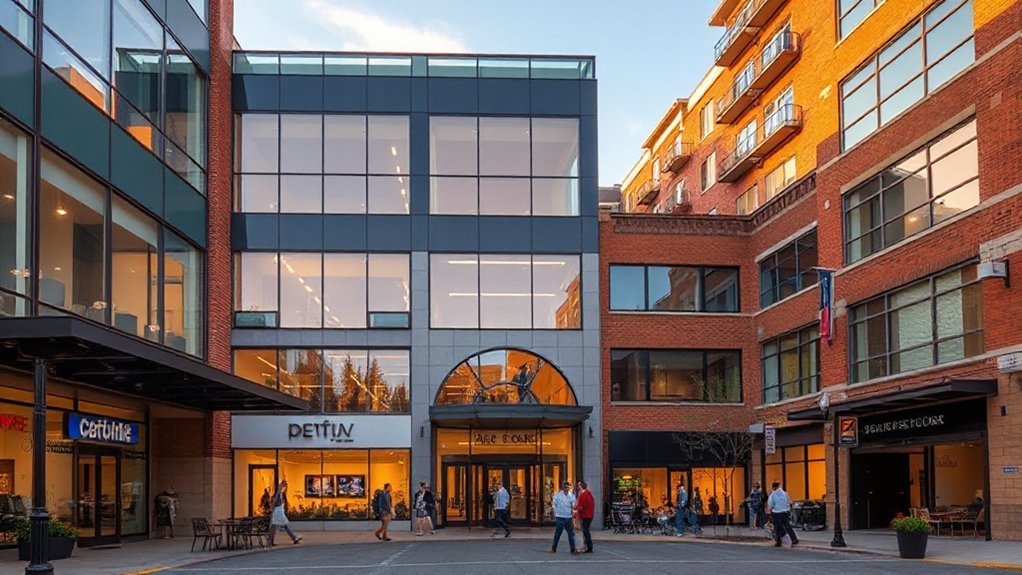
Even if your pro forma pencils, a mixed-use deal only performs as well as its tenant stack and the anchors that set the project’s daily rhythm. You’ll underwrite revenue more accurately when you design the Tenant mix to create complementary peak times: coffee and fitness in the morning, services at midday, food and entertainment at night, and residential-oriented convenience throughout.
Anchor tenants should do more than pay rent; they should generate foot traffic, signal quality, and stabilize leasing for smaller suites. Match anchors to access and visibility—corner frontage, structured parking adjacency, and clear wayfinding—so their draw benefits the whole block, not just one bay.
You’ll also want credit strength, operational durability, and uses that won’t conflict with noise, loading, or curbside demand.
Construction Timelines and Cost Overruns in Mixed-Use
A strong tenant stack may underwrite demand, but the schedule and the GMP determine whether you actually deliver that revenue on time.
In mixed-use, interface risk multiplies: podium transfers, MEP congestion, and phased turnovers can trigger Construction delays that cascade into liquidated damages and lost leasing velocity.
You’ll protect margin by treating the critical path as a design problem and a procurement problem, not just a contractor issue.
- Lock design early; prevent late scope creep across uses
- Sequence cores, elevators, and life-safety inspections by jurisdiction
- Prebuy long-leads (switchgear, façades, elevators) with alternates
- Track labor productivity weekly; tie forecasts to cost-loaded schedules
- Enforce Cost management with contingency rules and owner-directed change control
Mixed-Use Exit Options: Sale, Refi, Condo Conversion
When you plan the exit while you’re still resolving unit mix, core layouts, and utility metering, you can shape a mixed-use deal that sells cleanly, refinances efficiently, or splits into condos without expensive retrofits.
For a sale, you’ll optimize separable systems, clear loading/parking ratios, and durable public-realm finishes that underwrite smoothly.
For a refi, you’ll document stabilized NOI by component, align lease terms with lender DSCR tests, and bake in capex reserves tied to façade and MEP lifecycles.
For condo conversion, you’ll predesign demising walls, vertical risers, acoustic breaks, and code-compliant egress so you can file a clean condo map.
Community engagement can de-risk entitlement and retail lease-up, while Environmental impact reporting strengthens buyer and lender diligence.
Frequently Asked Questions
How Do Mixed-Use Developments Impact Local Traffic and Infrastructure Requirements?
Mixed-use projects can reduce peak trips, yet you’ll often see Traffic congestion shift to nearby intersections. You must plan infrastructure upgrades—signal timing, transit stops, bike lanes, utilities—so multimodal access matches density and operations.
What Insurance Coverages Are Unique to Mixed-Use Properties?
You insure a two-kingdom tower: pair commercial and residential property forms, add Tenant liability wrap, secure business interruption by zone, and scrutinize Coverage exclusions for shared lobbies, elevators, parking, and façade systems across occupancies.
How Are Property Taxes Assessed Across Different Uses Within One Project?
You’ll face assessed values allocated by use: residential, retail, office, and parking get separate appraisals or blended rates, guided by Zoning regulations. You’ll track Tax exemption eligibility, CAM structures, and design-driven amenity impacts.
What ESG or Sustainability Features Can Improve Mixed-Use Investment Appeal?
Test the theory that ESG boosts returns: you’ll improve appeal by pursuing Green certifications, integrating renewable energy, electrifying HVAC, optimizing envelopes, adding low-carbon materials, water reuse, EV charging, bike storage, and transparent performance reporting.
How Do HOA or Condo Associations Affect Mixed-Use Property Operations?
HOA governance and Condo regulations shape budgets, design standards, and shared-services decisions, so you’ll coordinate retail, residential, and parking operations. They can speed approvals with clear rules or stall changes through votes, disputes.
Conclusion
You don’t just buy square footage in a mixed-use deal—you buy a system: zoning, capital stack, tenant choreography, and buildability. One stat to keep you honest: the U.S. has 44,000+ shopping centers, many over-parked and under-leased, fueling redevelopment into mixed-use formats. If you underwrite DSCR, CAM recovery, and phased construction rigorously, you can capture diversified income without hiding risk. Plan your exit early—sale, refi, or condo conversion.