

You’ll regularly tackle a few UK home repairs: clear blocked gutters after heavy rain, check for slipped tiles and damaged flashing, and touch up exterior paint to stop water getting in. Indoors, you’ll reseal baths and shower trays, replace crumbling grout, and fix dripping taps, toilet seals, and slow drains before leaks spread. You should also swap cracked socket fronts, investigate buzzing switches, and patch small plaster cracks and scuffed floors—keep going to see what to check first.
Key Takeaways
- Inspect and repair roofs, flashing, and gutters after storms to prevent leaks, slipped tiles, and water damage.
- Touch up exterior paint, seal joints, and replace damaged cladding to stop moisture ingress and timber rot.
- Maintain windows and doors by replacing perished seals, adjusting hinges, and re-caulking gaps to reduce drafts and leaks.
- Address plumbing issues early—dripping taps, failing toilet seals, slow drains, and hidden leaks—to avoid damp, mold, and costly repairs.
- Fix common interior wear like drywall cracks, loose trim, and floor scratches with proper fillers and refinishing to prevent worsening damage.
Common Home Repairs, Ranked by System
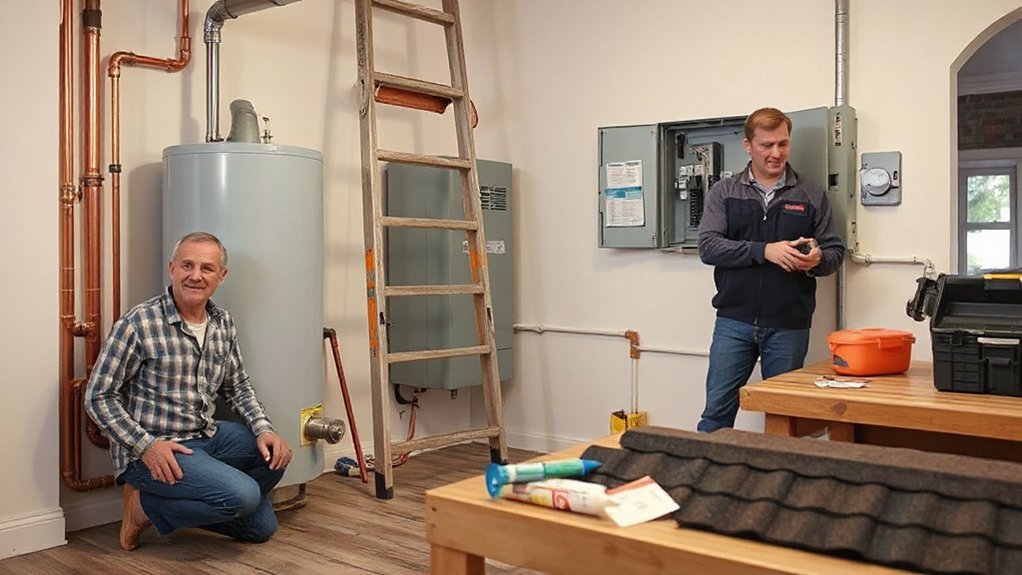
Whether you own a Victorian terrace or a newer-build flat, the easiest way to stay on top of repairs is to think in “systems” rather than individual jobs. Start with the building fabric: slipped roof tiles, failed pointing, and blocked gutters can quickly cause damp, so schedule visual checks after storms.
Next, windows and doors: replace perished seals, adjust hinges, and upgrade locks for Home security; draught-proofing and secondary glazing also lift energy efficiency.
Third, electrics: test smoke/heat alarms, swap tired light fittings, and book an EICR if you’re letting.
Fourth, heating and ventilation: service the boiler annually, bleed radiators, and keep extractor fans working to reduce condensation.
Finally, finishes: repaint woodwork and reseal shower trays.
Most Common Plumbing Repairs and Warning Signs
Once you’ve checked the building fabric, windows, electrics and heating, plumbing is the next system that can quietly cause costly damage. In UK homes, you’ll often face Plumbing leaks from tired tap washers, cracked toilet cistern seals, and perished flexi hoses under sinks. Watch for damp patches on ceilings, a persistent musty smell, or a rising water meter when everything’s off.
- Drips and staining: Even slow leaks rot joists and blow plaster; trace them before redecorating.
- Low pressure or discoloured water: These can flag Pipe corrosion, limescale, or a failing stopcock.
- Gurgling or slow drains: Clear traps early, and don’t ignore recurring blockages in shared stacks.
Act fast, isolate at the stop tap, and call a Gas Safe plumber where needed.
Common HVAC Repairs and Maintenance Calls
A handful of HVAC faults account for most UK call-outs, especially in homes with a gas combi boiler, radiators, and mechanical extract or MVHR. You’ll often need a Gas Safe engineer for ignition failures, low system pressure, or a boiler that short-cycles because the condensate pipe’s frozen.
If radiators stay cold, you may be balancing, bleeding, or replacing a stuck TRV, then topping up the loop and checking the expansion vessel.
Poor airflow usually comes from clogged HVAC filters in MVHR units or extract fans, plus blocked external grilles.
If rooms swing hot/cold, check thermostat calibration and batteries, then verify the programmer schedules and zone valves.
Annual servicing keeps efficiency up and faults down, and improves reliability long-term too.
Caulk, Grout, and Leak Sealing in Wet Areas
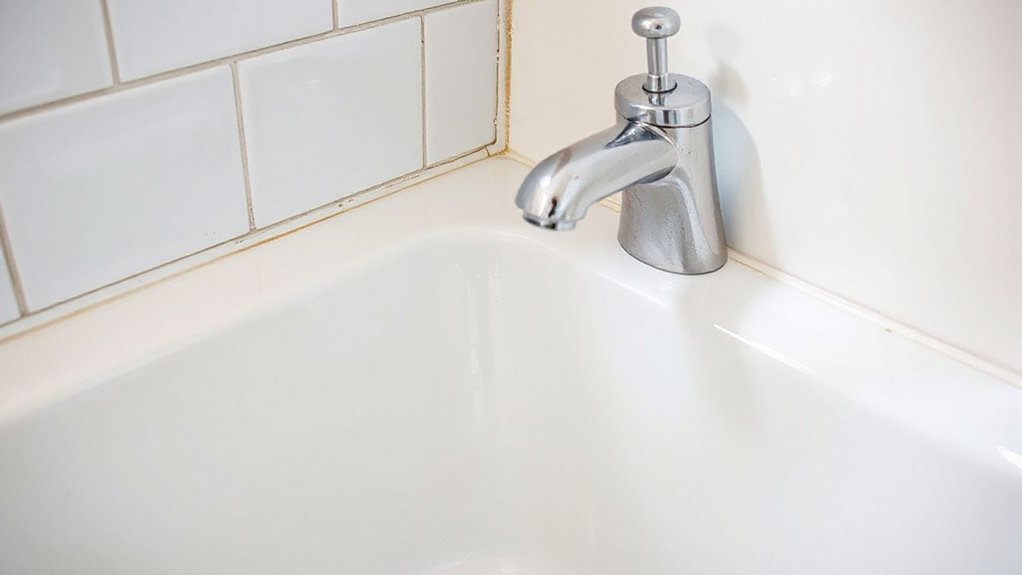
Because bathrooms and kitchens stay damp, failed caulk and cracked grout quickly turn into leaks that stain ceilings, rot chipboard flooring, and loosen tiles. Make Caulk maintenance routine: scrape out mouldy silicone, dry the joint fully, then reapply a sanitary-grade silicone bead along baths, shower trays, and worktop upstands.
Don’t skim over tile lines either; grout sealing stops moisture wicking behind splash zones and around sinks. In UK homes, check these spots after every winter and whenever you’ve had a slow drip.
- Inspect corners, pipe penetrations, and shower screens for gaps, black spotting, or crumbling grout.
- Test with a brief shower and look for damp patches below or at skirtings.
- Act early: re-caulk, reseal grout, and replace any loose tiles promptly.
Common Electrical Repairs and Safety Hazards
Even if you’re handy with DIY, electrical faults need a cautious approach, as a loose connection or damaged cable can overheat, trip the RCD, or start a fire. Treat Electrical hazards seriously: buzzing sockets, scorch marks, hot switches, flickering lights, or frequent breaker trips mean you should isolate the circuit at the consumer unit and stop using the outlet.
In UK homes, common repairs include replacing worn socket fronts, cracked light fittings, and faulty extractor fan isolators, plus tightening loose terminals in junction boxes. If you’ve got old rubber, fabric, or aluminium wiring, plan wiring upgrades and an EICR to confirm compliance.
Use a NICEIC or NAPIT electrician for any work in bathrooms, kitchens, or new circuits, and notify Building Control where required.
Drywall, Trim, and Flooring Repairs From Wear
Next, you’ll tackle everyday wear to plasterboard, skirting and architraves, and your floors, where knocks and foot traffic show up fast.
You can sort most plasterboard dents, popped screw heads, and small cracks with filler, joint tape, sanding, and a tidy mist coat before repainting.
For trim dings, open gaps, and flooring scratches or dents (laminate, engineered wood, or carpet), you’ll use decorators’ caulk, wood filler, touch-up pens, repair kits, or a localised board replacement when damage is beyond a quick patch.
Common Drywall Damage Fixes
Although everyday knocks and scuffs are unavoidable, you can sort most drywall damage quickly with the right filler, fixings, and a bit of prep.
For UK plasterboard walls, start by checking for damp (especially on external walls) and isolating any loose paper. Cut back to a clean edge, then prime torn facing before you fill to stop blistering.
For larger holes, use Drywall patching with a self-adhesive mesh or a small timber batten behind the board, then apply joint compound in thin coats. Sand with a fine block, vacuum dust, and seal before paint.
Texture matching matters: stipple with a damp sponge or use a short-pile roller to mimic existing sheen and stipple.
- Clean edges prevent cracking.
- Thin coats beat one thick fill.
- Sealing avoids flashing.
Trim Dings And Gaps
When skirting boards, architraves, and door linings pick up dings or open up at the joints, you can tidy them fast if you match the filler to the material and control the movement that caused the gap.
For painted timber, use a two-part wood filler for Dings repair; sand flush, then spot-prime knots and bare patches before repainting.
For Trim gaps at corners or along mitres, re-pin loose sections into studs with lost-head nails or trim screws, then apply paintable decorator’s caulk, tool it smooth, and let it cure.
If gaps keep returning, check for seasonal shrinkage, loose fixings, or movement from slamming doors; fit a doorstop and tighten hinges.
Keep a damp cloth handy to wipe excess caulk.
Flooring Scratches And Dents
How do you sort flooring scratches and dents without making the patch stand out? Start by identifying the floor type—engineered oak, laminate, or LVT—because each takes repair differently.
Clean with a pH-neutral cleaner, then work in good daylight so you match grain and sheen.
- For light marks: use scratch removal kits or a wax pencil matched to your stain; buff with a microfibre cloth and check from the doorway.
- For dents: raise fibres on real wood with a damp cloth and a warm iron, then lightly sand and re-seal.
- For widespread wear: book surface refinishing, but ask for a test patch first so the new finish doesn’t look “wet” beside older boards.
Roof, Gutter, and Flashing Repairs After Storms
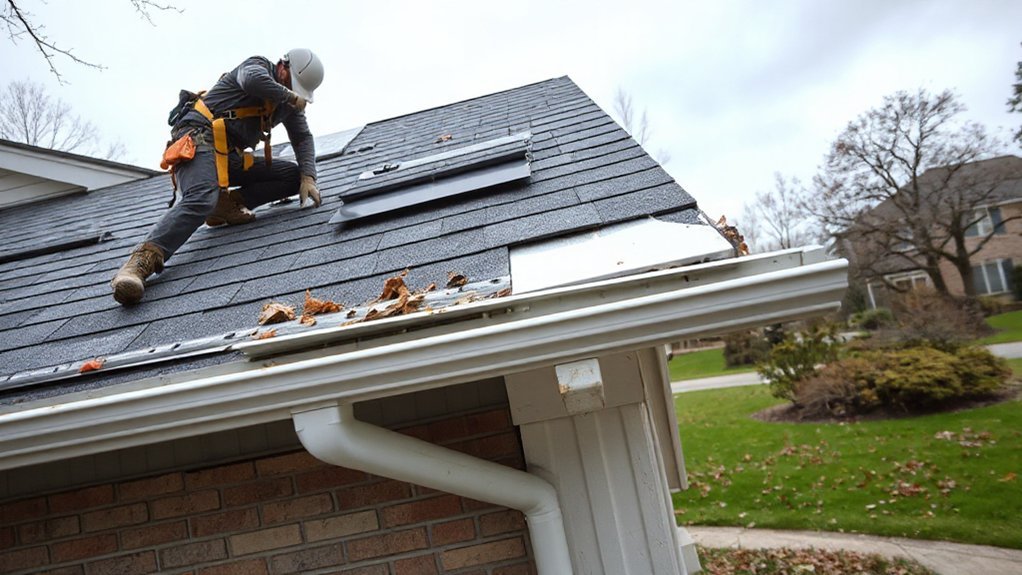
After a storm has passed, you’ll want to check the roofline, gutters, and flashing straight away because small faults can quickly turn into internal leaks and damp.
From ground level, look for slipped or cracked tiles, missing ridge caps, and lifted felt at the eaves—common storm damage on UK homes. Check whether lead flashing around chimneys, valleys, and dormers has peeled back or split, and whether mortar fillets have crumbled.
Clear gutters of moss and debris, then run water from a hose to spot overflow at joints and downpipes.
Inside the loft, use a torch to find wet insulation, staining, or daylight at the underlay.
Don’t patch with mixed roofing materials; match tiles and fixings, and call a roofer for unsafe access.
Exterior Home Repairs: Paint, Siding, Wood Rot
Once you’ve sorted storm damage up top, you’ll want to check your exterior finish for peeling paint, cracked render, or flaking timber and get quick paint touch-ups done before water gets in.
If your cladding’s dented, loose, or warped (uPVC, timber, or fibre cement), you can re-fix or replace damaged boards and seal joints to keep the weather out.
When you spot soft, darkened wood around window sills, fascia, or door frames, cut out the rot and replace the section promptly, then prime and paint to protect it.
Exterior Paint Touch-Ups
Although exterior paint touch-ups look like a cosmetic job, they’re often your first line of defence against damp, rot, and costly timber repairs in the UK’s wet, changeable weather. Walk your property after heavy rain and windy spells, checking sills, fascias, soffits, and end-grain where water sits. Deal with flaking paint early so moisture can’t creep into joints.
- Prep properly: scrape back to sound edges, sand, spot-prime bare wood, and seal knots to stop bleed-through.
- Get Color matching right: keep the original tin, note the paint code, and feather edges so patches don’t “flash” in sun.
- Choose for paint durability: exterior-rated microporous systems and flexible caulk at cracks last longer in freeze–thaw cycles.
Siding Damage Repairs
Paint can hide early warning signs, but damaged siding lets wind-driven rain straight behind the cladding and into the timber frame. Check after storms for cracked uPVC boards, loose fibre-cement laps, slipped fixings, or gaps at corners and around vents.
For small defects, you can refix with stainless screws, replace perished trims, and reseal joints with a compatible exterior sealant (not silicone on paintable boards). Keep weep vents clear and maintain correct overlaps so water sheds outwards.
During siding maintenance, wash off algae, clear debris at the base, and touch in exposed edges on timber-effect products. If boards are warped, split, or repeatedly coming loose, plan siding replacement in matched profiles and colours, and renew any flashing at abutments.
Wood Rot Replacement
Where does exterior wood rot usually start? It usually begins at failed paint edges, open joints, and end-grain on fascias, soffits, window sills, and door frames. Once water sits, you’ll get moisture damage and soft timber. You can’t paint over it; you must cut back to sound wood, then replace or splice in treated sections.
- Find the source: check leaking gutters, cracked sealant, loose flashing, and poor drip details; fix these first.
- Replace properly: use pressure-treated timber or suitable exterior joinery, stainless fixings, and prime all faces before fitting.
- Protect and maintain: apply preservative, fill only minor defects, then repaint; schedule annual checks after winter.
Frequently Asked Questions
How Much Should I Budget Annually for Routine Home Repairs?
You should budget 1–3% of your home’s value yearly, or £1,000–£3,000 for routine home maintenance. You’ll cover small fixes, servicing, and wear. Track quotes, set a sinking fund, and review repair budgeting annually.
Should I Hire a Handyman or a Licensed Contractor for Repairs?
You’ll hire a handyman for small, low-risk fixes; choose a licensed contractor for structural, gas, electrics, or major plumbing—like swapping a torch for a floodlight. Use DIY tips, prioritise contractor selection, check UK certifications.
Which Repairs Increase Home Value the Most Before Selling?
You’ll boost value most with kitchen and bathroom Home improvement, fresh décor, and kerb appeal. Focus renovation planning on energy efficiency—loft insulation, EPC upgrades, double glazing. Fix damp, electrics, roofing. Keep receipts, permissions.
How Can I Tell if a Repair Is Covered by Homeowners Insurance?
Check your policy schedule and wording: you’re usually covered for sudden, insured events, not wear and tear. Review coverage limitations, excess, and exclusions, then ring your insurer before repairs and keep photos, quotes for insurance claims.
What Maintenance Schedule Prevents the Most Common Repairs?
Treat it like a Victorian railway timetable: do monthly boiler checks, quarterly gutter clears, annual Roof inspections, and yearly Plumbing checkups. You’ll cut leaks, damp, and breakdowns. Log dates, use Gas Safe engineers, and inspect loft insulation.
Conclusion
Owning a home means you’ll keep one eye on the boiler, taps, and consumer unit, and the other on the roofline after a British downpour. Expect the usual suspects: dripping pipework, tired seals around the bath, scuffed plasterboard, and gutters that choke with leaves. Treat repairs like routine MOTs—small jobs done early save big bills later. Keep a snag list, know your stopcock, and call a qualified tradesperson when in doubt.