
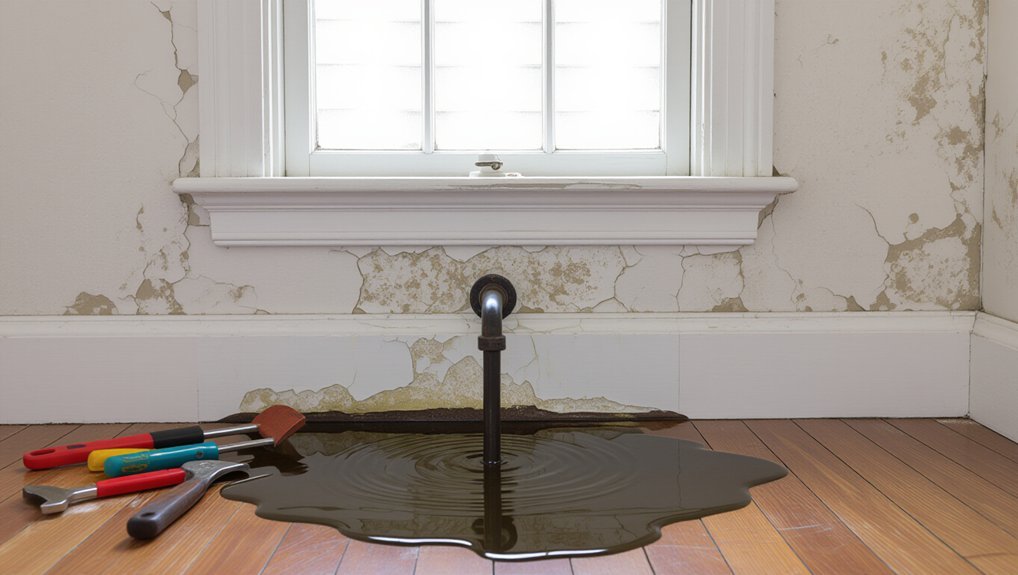
Ignoring small repair issues costs you more than you expect, because minor leaks, draughts, loose tiles, and blocked gutters don’t stay minor in UK homes. You’ll pay extra in heating bills, then face damp, mould, rotten timber, stained ceilings, and warped floors as water spreads unseen. Loose paving becomes a trip hazard, small gaps invite pests, and warm sockets can signal fire risk. Keep going to see which fixes to prioritise first.
Key Takeaways
- Small faults often escalate into major damage, turning low-cost fixes into expensive repairs for walls, floors, roofs, and plumbing.
- Unchecked water leaks cause hidden rot, mould, soaked insulation, and warped flooring, multiplying costs and disrupting daily living.
- Draughts, failed sealant, and poor weatherproofing increase heating bills and accelerate damp-related deterioration in surrounding materials.
- Ignored minor electrical warning signs can become fire hazards, leading to emergency callouts, damaged wiring, and potential property loss.
- Delayed maintenance like blocked gutters and loose paving creates preventable hazards, insurance complications, and higher labour costs from urgent work.
What Counts as a Small Home Repair?
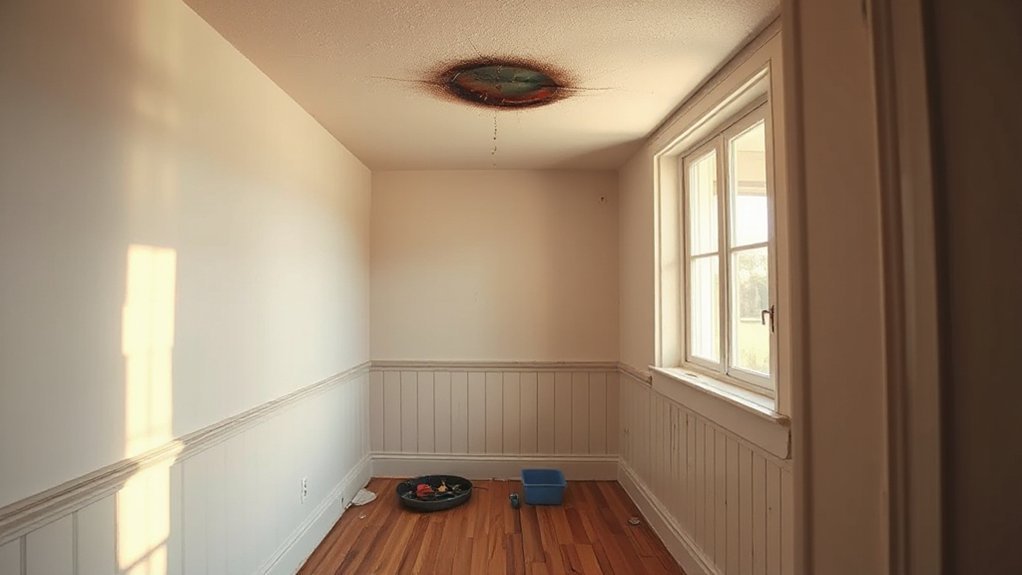
Small home repairs are the minor faults in your property that don’t stop it functioning today but will steadily worsen if you leave them. You’ll spot them as small defects in finishes, fittings, and weatherproofing: hairline cracks in plaster, loose tiles, flaking paint, sticking internal doors, or a wobbly handrail.
They also include early plumbing and electrics niggles, such as a dripping tap, a slow-draining sink, a loose socket faceplate, or a squeaky extractor fan. Outside, you’re looking at slipped roof tiles, blocked gutters, failing sealant around windows, and small gaps letting in draughts.
Even Home decor jobs count when they protect surfaces. Use basic gardening tips too: clear drains, trim growth, and keep paths even.
Which Small Repairs Should You Fix First?
Where should you start when everything looks like a “quick fix”? You start with repairs that affect safety, weather-tightness, and day-to-day function. In UK homes, tackle anything that risks slips, shocks, damp, or draughts before you focus on Home decor touch-ups.
Then move to items that stop further wear, improve comfort, and keep rooms usable. Keep a simple checklist and book trades early if you’re renting or managing a busy household. Use gardening tips to spot outdoor issues fast, especially after wind and rain.
- Replace broken stair or banister fixings
- Reseal baths, showers, and around sinks
- Fix dripping taps and running loos
- Patch cracked exterior render and loose tiles
- Clear gutters, check fences, and secure gates
How Do Minor Repairs Snowball Into Big Bills?
Because most “minor” faults keep working in the background, they quietly turn into damage you can’t ignore—and you end up paying for the knock-on effects.
A stiff window latch lets in draughts, so you run the boiler longer and risk damp patches that ruin paint and wallpaper, setting back your Home decor plans.
A dripping tap inflates water bills and can rot a cabinet base, turning a £5 washer into joinery and flooring costs.
A loose paving slab becomes a trip hazard and, as it shifts, can crack adjacent slabs, meaning more labour and materials.
Even skipped gardening tips matter: clogged gullies from leaves push water where it shouldn’t go, causing staining and repairs.
Fix early, book a local tradesperson, and save.
What Happens When a Small Roof Leak Waits?
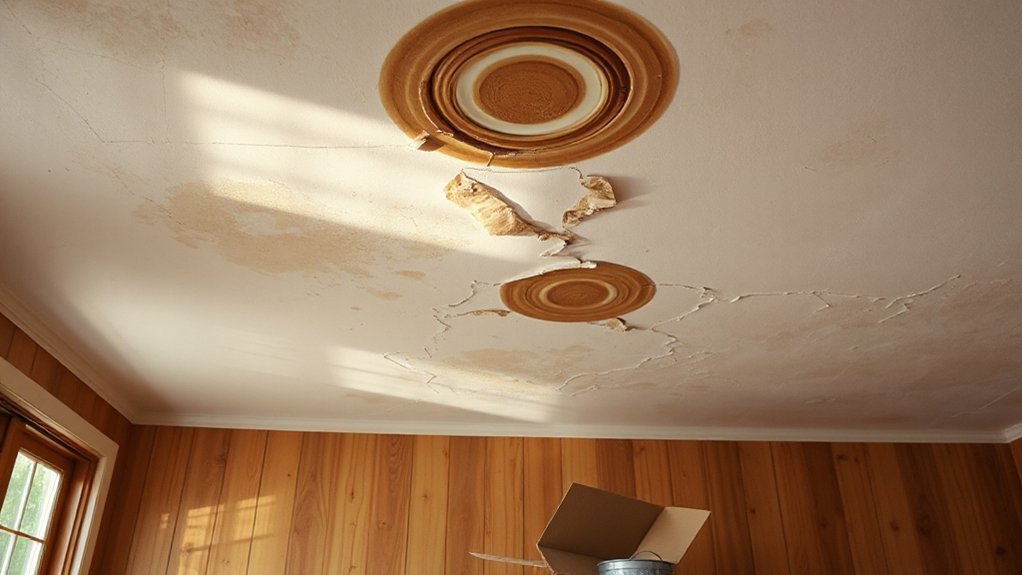
Roof leaks show just how fast a “minor” issue can rack up costs when you leave it. What starts as a drip can soak insulation, stain ceilings, and warp joists, especially after UK downpours and freeze–thaw cycles.
If you put off Roof inspections and skip routine gutter cleaning, water backs up and finds new routes under tiles and flashing, turning a simple patch into a bigger job.
- Water tracks along rafters, spreading the affected area
- Felt and battens degrade, loosening tiles in wind
- Plasterboard sags and needs replacement, not repainting
- Electrics in loft spaces face higher risk and call-out fees
- Heat loss rises as insulation compresses, pushing bills up
Act early and you’ll usually pay for a repair, not a rebuild.
How Fast Can Water Damage Lead to Mold?
Once water gets into your home, mould can start forming within 24–48 hours if materials stay damp.
You’ll speed it up with poor ventilation, warm indoor temperatures, soaked carpets or plasterboard, and hidden moisture behind skirting or in loft insulation.
Act fast: stop the source, dry the area thoroughly, and don’t assume a small patch of damp will stay small.
Mold Growth Timeline
Even a minor leak can set a mould problem in motion faster than most homeowners expect. If water soaks plasterboard, carpet, or insulation, you can see early growth within 24–48 hours, so you need fast moisture control and clear mold prevention steps.
- 0–24 hours: materials dampen; musty odours may start
- 24–48 hours: spores settle and begin colonising porous surfaces
- 2–7 days: visible spots appear on walls, ceilings, skirting boards
- 1–2 weeks: staining spreads; paint blisters; timber swells
- 2–4 weeks: persistent contamination; deeper clean and repairs likely
Don’t wait for marks. Dry the area, improve ventilation, and fix the source promptly.
If you’ve had a burst pipe or persistent condensation, arrange a professional inspection and moisture reading.
Factors Speeding Mold Spread
Although mould needs moisture to take hold, certain conditions let it spread far faster after water damage: warm indoor temperatures, high humidity from poor ventilation, and porous materials like plasterboard, carpets, and insulation that stay damp.
If you’ve had a leak, don’t wait for a musty smell—mould can colonise within 24–48 hours when air can’t circulate, especially behind skirting boards, inside fitted wardrobes, and under laminate.
Your home decor choices can worsen it: thick wallpaper, heavy curtains, and piled soft furnishings trap moisture.
Outside, clogged gutters and poor drainage keep walls wet; follow basic gardening tips by keeping soil and planters away from brickwork and clearing leaves from gullies.
Act fast: dry, heat, and dehumidify, then fix the source.
Are Small Plumbing Drips Worth Fixing Now?
If you leave a small drip, you’re not just wasting water—you’re risking hidden damage behind cupboards, under floors, and inside walls that can cost far more to put right.
You’ll also see it on your water meter, as even a slow leak can push up your utility bills month after month.
Fix it now, and you stop the damage and the needless spend before it escalates.
Hidden Water Damage Costs
How much damage can a “tiny” drip really do? In UK homes, it can soak plasterboard, swell skirting, and rot joists long before you spot a stain.
Moisture travels, so the damp patch you see may be far from the source. Act early with leak detection and targeted water testing to confirm what’s wet and how far it’s spread, then dry and repair properly.
- Warped flooring and lifted laminate after hidden saturation
- Crumbling plaster, blown paint, and salt staining on walls
- Mould growth behind cupboards, worsening indoor air quality
- Corroded pipework and fixings, increasing failure risk
- Reduced insulation performance in lofts and stud walls
Fixing the drip now protects the structure and avoids costly, disruptive strip-outs later.
Rising Utility Bill Impact
Where does your water bill go when a tap “barely” drips? It goes straight down the drain, litre by litre, and you pay for it twice: water in and wastewater out. Even a slow drip can waste thousands of litres a year, pushing you into a higher tariff band with some suppliers and making direct debit reviews painful.
If the leak’s on a hot-water line or near your boiler, you’re also burning gas or electricity to heat water you never use. That undermines Energy efficiency and can mask bigger pressure issues, like a failing valve or worn washer.
Treat small leaks as utility management: fix them now, log readings, and compare meter use before and after. You’ll see savings quickly.
Can Minor HVAC Problems Raise Energy Bills?
Although a minor HVAC fault can seem harmless, it often forces your system to work harder and run longer, which pushes up your energy bills. In UK homes, small issues quickly reduce HVAC efficiency, so you pay more for the same comfort. You’ll often spot warning signs before a breakdown, and acting early keeps repair costs down.
- Clogged filters restrict airflow, making the fan run constantly
- Low refrigerant cuts cooling output and increases compressor runtime
- A stuck thermostat cycles poorly and overheats rooms
- Leaky ducting dumps warm air into lofts and voids
- Worn bearings or belts add friction and higher electrical draw
Book a Gas Safe or F-Gas qualified engineer, then track kWh on your smart meter after the fix to confirm savings.
When Do Tiny Cracks Become Structural Repairs?
Rising energy bills show how “small” faults can quietly snowball, and the same rule applies to hairline cracks in your home’s fabric. If a crack stays thin, doesn’t lengthen, and sits only in plaster or paint, you can usually handle it with basic paint maintenance and monitoring.
But if you see a stair-step crack in brickwork, gaps around window frames, doors that suddenly stick, or floors that slope, you’re moving beyond cosmetic work. In the UK, repeated seasonal movement is common, yet widening cracks (about 3mm+), fresh cracking after rain, or multiple cracks on one elevation can signal compromised foundation stability.
Photograph, date, and measure changes, then call a chartered structural engineer before patching.
Do Small Repair Issues Attract Pests?
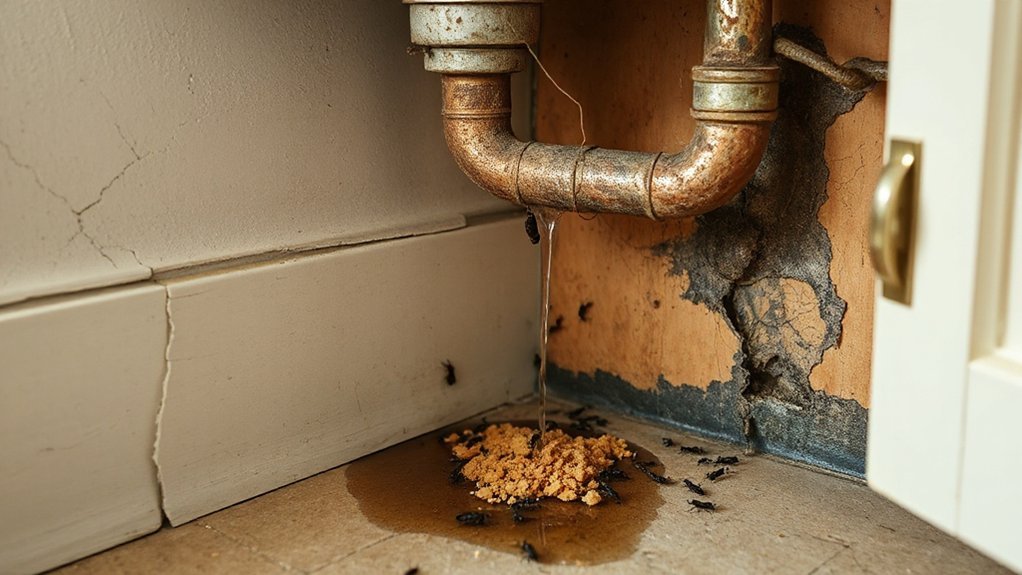
Because pests only need a small opening and a reason to stay, minor repair issues can quickly turn into an invitation to infest. In UK homes, gaps, damp patches, and loose fittings give mice, rats, ants, and silverfish easy access, then shelter and food.
You’ll spend far more dealing with small infestations than you’d sealing and cleaning early. Focus on pest prevention by removing entry points and moisture sources before the problem spreads to neighbouring rooms or flats.
Act now and you’ll protect your property, your stored food, and your peace of mind. Prioritise:
- Seal cracks around pipes, air bricks, and skirting
- Fit draught excluders and repair torn vents
- Fix dripping taps and keep areas dry
- Clear clutter and store food in sealed tubs
- Empty bins regularly and clean spillages promptly
Are Small Electrical Issues a Safety Risk?
If you ignore small electrical faults, you can miss early warning signs of a hidden fire hazard, such as a warm socket faceplate, flickering lights, or a faint burning smell.
You’re also raising your risk of shock or electrocution when switches, cables, or fittings start to loosen or degrade.
In the UK, you should treat these issues as urgent and get a qualified electrician to check them before they escalate.
Hidden Fire Hazard Signs
While a loose socket or a flickering light might seem like a minor annoyance, these small electrical faults can be early warning signs of a serious fire risk in your home. Treat them as fire safety issues, not DIY niggles, because heat builds up quietly behind walls and sockets.
Watch for these electrical hazards and act fast:
- Scorch marks or discolouration around plugs, switches, or the consumer unit
- A persistent burning smell, especially after switching something on
- Crackling, buzzing, or popping from outlets or light fittings
- Warm faceplates, plugs, or extension leads when in use
- Circuit breakers tripping repeatedly without an obvious cause
In the UK, book a qualified electrician registered with NICEIC or NAPIT to test, tighten, replace, and certify repairs before damage escalates.
Shock And Electrocution Risks
How risky is that “minor” electrical fault, really? In UK homes, a loose socket, buzzing switch, or warm plug can put you one touch away from shock. Current doesn’t need much: damp hands, a metal sink, or a concrete floor can turn a small fault into a serious injury.
Don’t ignore tingling from an appliance or a trip that “goes away” after a reset—those are warnings, not quirks.
You protect electrical safety by acting fast. Stop using the item, unplug it, and isolate the circuit at the consumer unit if anything smells, sparks, or heats up.
Treat damaged leads and scorch marks as urgent appliance hazards, and get a qualified electrician to test and repair.
DIY or Hire a Pro for Small Repairs?
When should you tackle a small repair yourself, and when should you call in a pro? If it’s cosmetic, low-risk, and you’ve got the right tools, DIY saves money and protects your home decor. But if a fault could worsen quickly, breach Building Regulations, or threaten safety, paying a tradesperson is cheaper than fixing damage later.
- Patch small holes, reseal baths, and touch up paint yourself
- Use basic gardening tips to clear gutters and stop damp at source
- Call a Gas Safe engineer for boilers, hobs, and any gas smell
- Use a NICEIC electrician for tripping circuits, hot sockets, or rewires
- Hire a roofer or plumber for leaks behind walls, ceilings, or tiles
Don’t guess: get a quote early and document the fix.
Frequently Asked Questions
How Do Small Repairs Affect Home Resale Value and Buyer Negotiations?
Small repairs directly shape your home’s resale value by boosting home appraisal results and limiting buyer leverage. If you ignore repair urgency, buyers’ll demand bigger discounts, delay offers, or insist on retention sums after surveys.
Will My Homeowners Insurance Cover Damage From Delayed Minor Repairs?
No—often it won’t; like a slow leak rotting floorboards, delayed fixes look like neglect. UK insurers may reject Insurance claims and limit Repair coverage unless sudden insured events caused damage and you’ve acted promptly.
How Can I Budget Monthly for Small Repairs Without Overspending?
Set aside 1% of your home’s value yearly, split monthly, and track it for budget planning. Use repair prioritization: safety, leaks, then efficiency. Cap spend with three quotes and roll unused funds forward.
What Maintenance Records Should I Keep for Future Warranty or Insurance Claims?
Keep Maintenance documentation: dated invoices, receipts, warranties, photos before/after, service reports, installer details, and serial numbers. Do Repair tracking in a log with costs and dates. Store originals and scans; insurers and UK warranty providers require them.
Which Tools Should Every Homeowner Own for Quick Minor Repairs?
Like a Swiss Army knife for your house, you’ll need a claw hammer, adjustable spanner, screwdrivers, tape measure, spirit level, utility knife, pliers, drill/driver, wall plugs, and sealant—skip DIY shortcuts; practise Tool maintenance regularly.
Conclusion
Ignore small repair issues and you’re stacking kindling for a future bonfire. If you act early, you’ll stop leaks before they rot timbers, prevent damp before it breeds mould, and fix hairline cracks before they become costly structural work. You’ll also deter pests and reduce fire and shock risks from tired wiring. Tackle the high-impact jobs first, and don’t hesitate to call a qualified UK tradesperson when safety, electrics, or roofing are involved.