
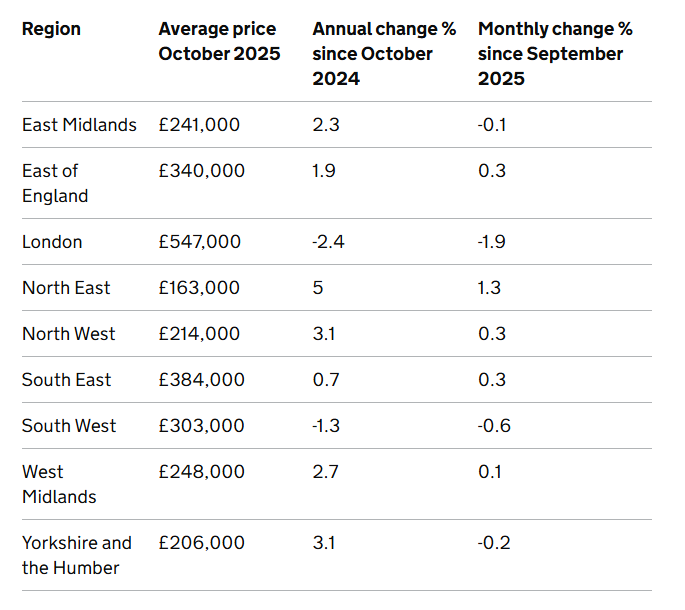
Over the last year, you’ve probably noticed London’s property market doing a bit of a dance, right? While the average UK house price sits around £271,188, London’s average property price is a staggering £547,000. You might be thinking, “Wow, that’s a lot,” and you’d be right! We saw an annual dip of 1.7% in early 2026, but things are already looking up with a 0.8% month-on-month increase.
Which boroughs are actually breaking the bank?
You might think every London borough is astronomically expensive, but some truly stand out. Kensington and Chelsea, for example, is still the undisputed champion of high prices, hitting a staggering £1,120,900. Westminster isn’t far behind, and Camden continues to demand serious cash.
The heavy hitters in West London
Thinking West London is all just a bit pricey? Guess again. Kensington and Chelsea leads the pack at £1,120,900, with Westminster close behind at £936,900. Camden also holds its own at £764,600 – definitely not for the faint of heart.
Finding the bargains in the outer edges
Don’t assume you need to leave London entirely for a decent price. Barking and Dagenham is still your go-to for affordability, remaining the most accessible spot at £335,500. It’s a significant difference, isn’t it?
Many folks overlook the outer boroughs, thinking they’re too far out or just not “London enough.” But honestly, if you’re looking to actually get on the property ladder in 2026 without winning the lottery, places like Barking and Dagenham are your best bet. With an average price of £335,500, it truly offers a stark contrast to the millions you’d shell out in the central hubs. You get a whole lot more for your money, and with improving transport links, it’s not as isolated as you might imagine.
Is a flat or a house the better bet right now?
You might think all property types are struggling, but that’s not quite right. Flats have truly taken a hit, dropping 5.1% to an average of £428,000, while terraced houses actually rose slightly by 0.4%!
Why flats are struggling to keep up
Many factors are at play, making flats a less appealing option for buyers these days. Prime Central London, where many flats are, is still cooling off after a 3% depreciation in 2025, which definitely isn’t helping things.
The surprising resilience of terraced homes
Surprisingly, terraced houses have shown some real strength. They actually rose slightly by 0.4%, defying the broader market trends you might expect.
It’s interesting, isn’t it? While flats are down, averaging £428,000, and even semi-detached homes are averaging £713,000, that little 0.4% bump for terraced properties really stands out. It suggests a shift in buyer preference, perhaps towards more space or perceived value outside the prime central areas that are still feeling the chill from last year’s 3% depreciation. So, are you rethinking your strategy?
The scary truth about affordability and new rules
You’re probably wondering if you can even afford a place in 2026, right? The truth is, while the affordability ratio is actually looking a bit better at 8.2, some new regulations are seriously shaking things up. We’re talking about the Renters’ Rights Act in May 2026 and that new High-Value Council Tax Surcharge for properties over £2 million – these aren’t minor tweaks, they’re big deals.
Running the numbers on your salary
Trying to figure out your budget for 2026? You’ll need a hefty income of about £99,406 annually, plus a 20% deposit. That’s a serious chunk of change, even with the improving 8.2 affordability ratio.
New taxes and laws you’ve got to know
The housing market’s rules are changing fast. You’ve got to be aware of the Renters’ Rights Act coming in May 2026, and don’t forget the High-Value Council Tax Surcharge if you’re eyeing a £2 million property.
These aren’t just minor adjustments to the system; they’re substantial shifts. The Renters’ Rights Act, kicking in May 2026, could impact how landlords view their investments, potentially affecting supply. And that High-Value Council Tax Surcharge? If you’re dreaming of a place over £2 million, you’ll be feeling that extra pinch directly in your pocket. These new rules really change the financial calculations for everyone, whether you’re buying or just looking at the market.
Where’s the smart money going in 2026?
The Elizabeth Line effect is still real
Thinking about where to put your cash in 2026? You’ll find areas near the Elizabeth Line, like Woolwich and Ealing Broadway, are still making waves, showing 7-9% value jumps. Investors are also eyeing boroughs such as Sutton, Uxbridge, and Bromley, looking for that next big growth spurt.
Why international buyers are still hovering
You’re probably wondering why the high-end market just keeps chugging along, right? Well, international buyers, especially those from the US and Middle East, are absolutely key here, keeping luxury properties in high demand.
These overseas investors, primarily from the US and Middle East, really appreciate the stability and long-term value London’s luxury properties offer. They’re not just buying houses; they’re investing in a global financial hub, and that confidence means the top-tier market will likely continue to see strong activity throughout 2026. You can bet your bottom dollar on that.
What are the pros actually saying about the future?
You’re probably wondering what the big names in property are predicting for London’s housing market. While the UK might see 2-4% growth overall, experts like those at Rightmove think London will actually stay subdued. Savills, for example, expects a flat 2026, but they do see a 13.6% rise by 2030. Hamptons, another big player, points out that London’s growth has lagged way behind the rest of the country for a whole decade – that’s a long time!
Why London is lagging behind the rest of the UK
It’s a head-scratcher, isn’t it? London’s growth has lagged behind the rest of the country for a decade, according to Hamptons. You’d think the capital would always lead, but that hasn’t been the case lately.
Looking ahead to the 2030 forecast
Savills offers a glimmer of hope, expecting a 13.6% rise by 2030 after a flat 2026. So, while things might be slow now, you could see some significant gains further down the line.
You might be feeling a bit deflated by the near-term predictions, but don’t write off London just yet. Savills’ forecast of a 13.6% rise by 2030 suggests a turnaround is on the cards. It’s a patient game, that’s for sure, but that kind of long-term growth could still make London a smart investment if you’re in it for the long haul.
Seriously, stop believing these real estate myths
You probably think a lot of things about selling your home, but many are just plain wrong. It’s a buyer’s market right now, giving you more room to negotiate than you might realize. Don’t fall for old wives’ tales about what it takes to sell your London property in 2026.
Why your agent doesn’t actually pick the price
Your agent isn’t some all-powerful wizard of pricing, you know? The market, not your agent, truly sets the price. They just advise, but the market dictates what buyers will pay.
The truth about renovations and selling seasons
Forget the idea that you need a brand-new kitchen to sell your place. You also don’t need to wait for a specific season, like spring, to make a successful sale. These are just old myths that can cost you time and money.
Think about it: who really cares if your kitchen is “brand-new” when they’re seeing potential, right? And this whole “spring is the best time to sell” thing? It’s just not true; people buy homes all year round. You can absolutely achieve a successful sale regardless of the season or whether you’ve just done a costly kitchen overhaul. Buyers often prefer to do their own updates anyway, so save your cash!
Final Words
Conclusively, you’ll find success in the 2026 London housing market by understanding terms like Freehold, Leasehold, and Stamp Duty Land Tax. You really want to avoid those traps like Gazumping or Gazundering, don’t you? With the market stabilizing and a Mortgage in Principle, you’ll have better negotiation power in this era of modest growth.
Q: Will London house prices keep soaring in 2026, or is the market finally cooling down?
A: Many folks think London property prices are just going to keep climbing and climbing, like they always have, right? But here’s the thing: 2026 looks a bit different. Experts from Rightmove are saying we’ll see “modest national growth,” but London’s trend is “more subdued.” What does that mean for you? It means we’re probably not looking at those crazy double-digit increases we’ve seen in the past. Savills, for example, predicts London house price growth will pretty much flatline in 2026, even though they see cumulative growth of 13.6% between 2026 and 2030.
So, while it’s not a crash, it’s certainly not the “one-way bet” David Fell from Hamptons mentioned it once was. You’ll likely see stabilization, with perhaps a small bump of 2-4% overall, and some areas might even dip a little. It’s a calmer market, for sure.
Q: Are all London boroughs equally expensive, or are there still affordable spots in 2026?
A: A common misconception is that if you want to buy in London, you’re looking at eye-watering prices no matter where you go. That’s just not true. While the average London house price sits around £547,000 in late 2025, there’s a huge range. Kensington and Chelsea, for instance, clocks in at a staggering £1,120,900. Westminster isn’t far behind at £936,900. But if you head east, you’ll find places like Barking and Dagenham where the average is a much more manageable £335,500.
That’s a massive difference, isn’t it? Outer boroughs and areas with new transport links, like those along the Elizabeth Line – think Woolwich or Abbey Wood – are showing stronger growth and better value. Zoopla expects places like Sutton and Croydon to see decent growth too. So, yes, you absolutely can still find more affordable options, especially if you’re willing to look a bit further out from the very center.
Q: Is 2026 a good time to buy property in London, especially for first-timers?
A: You might assume that with prices stabilizing, it’s a terrible time to buy, or that only cash buyers have a chance. But actually, 2026 could be a surprisingly good year for buyers, particularly first-timers. The market is expected to shift more towards a “buyer’s market.” What does that mean for you? It means there’s a good choice of homes available, and buyers, especially those ready to go, will have more negotiation power.
The affordability ratio is actually expected to improve a bit, falling to 8.2 in 2026, because wage growth is outpacing house price inflation. Plus, easing borrowing costs are helping too. You’ll need an average salary of around £99,406 to buy a house in London, assuming a 20% deposit. International buyers are still active in the luxury market, but for everyday homes, you’re seeing a healthier balance. So, if you’ve been saving up, this might just be the moment to jump in, especially if you’re looking in those outer boroughs or regeneration hotspots.