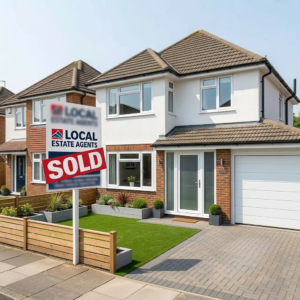
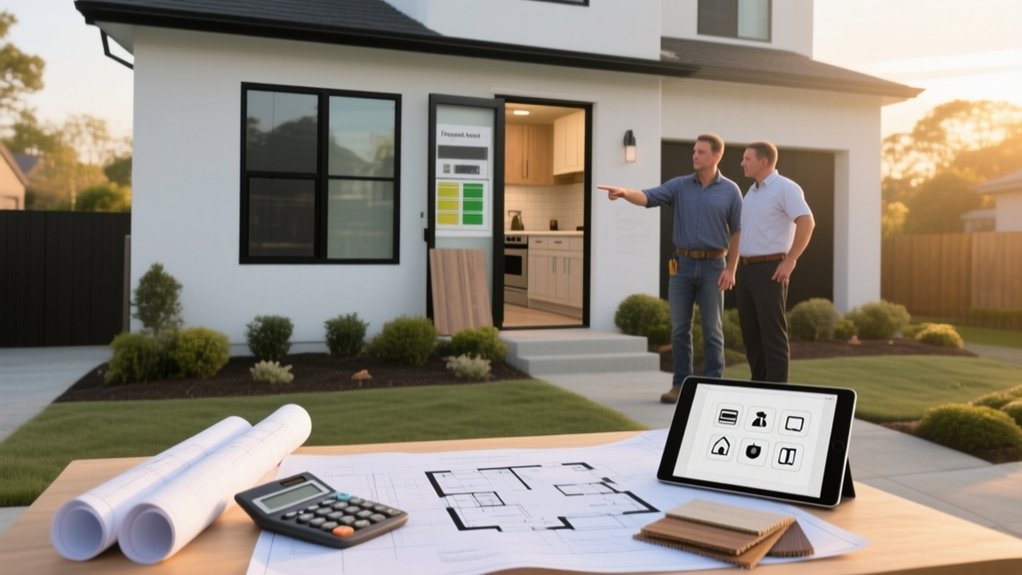
You add value strategically by starting with one measurable goal—rent lift, vacancy reduction, or a cleaner exit cap—and tracking metrics like rent/sq ft, days-on-market, and renewals. You then model rent comps, downtime, and operating costs to estimate ROI and payback before you spend. Fix “rent killers,” standardize durable upgrades (LVP, 3000K LEDs, modern fixtures), add income streams (pets, parking, storage), and schedule work around lease expirations to cut vacancy. Next, you’ll see how to choose the best projects.
Key Takeaways
- Set clear objectives and metrics (rent lift, vacancy days, renewal rate, cap-rate spread) to align upgrades with investment goals.
- Model renovation ROI using comps, rent premiums, downtime, and operating costs, and avoid over-improving beyond local top-tier finishes.
- Prioritize high-impact interior upgrades—kitchens, baths, durable finishes, and layout tweaks—that boost desirability while reducing turnover and maintenance.
- Improve curb appeal and amenities, then time renovations around leases and slow seasons to minimize vacancy loss and accelerate rent growth.
- Re-run post-renovation pro formas to decide whether to refinance, hold, or sell based on NOI gains, DSCR strength, and market cap timing.
Set Your Investment Property Value-Add Goal
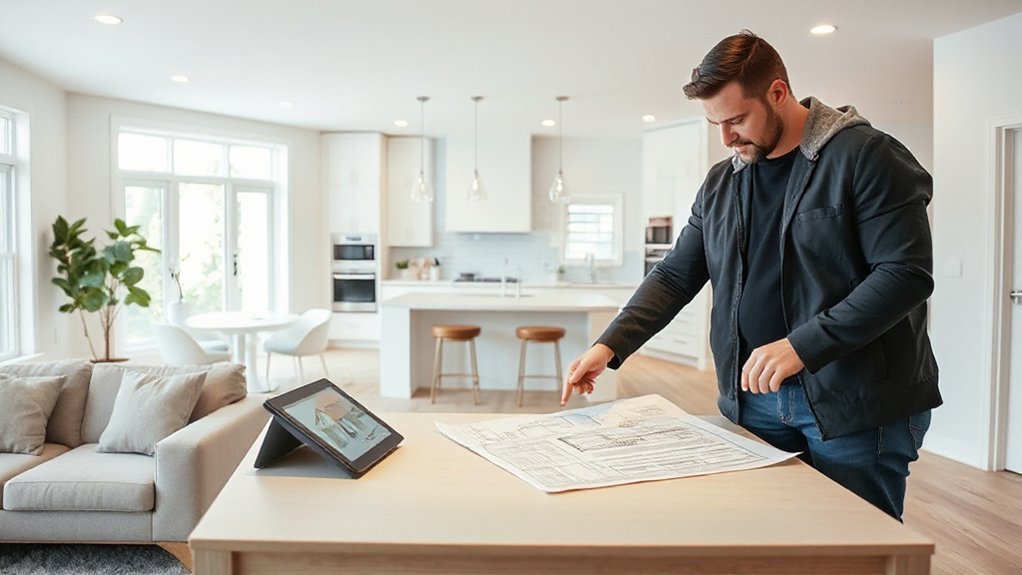
Where do you want the value-add to land—higher rents, lower vacancy, or a cleaner exit cap? Pick one primary outcome, then define the metric you’ll move: rent per square foot, days-on-market, renewal rate, or cap-rate spread versus comps.
You’ll design upgrades differently for each target—unit interiors for rent premiums, curb appeal and leasing flow for vacancy control, or deferred-maintenance resets for buyer confidence.
Align scope with Market timing: in a softening market, prioritize retention and operational stability; in a rising market, emphasize features that win top-of-funnel tours.
Use property diversification to balance risk: standardize a repeatable upgrade package across assets, but tailor finishes to each submarket’s tenant profile.
Set guardrails: budget ceiling, timeline, and minimum performance threshold.
Estimate Rent Lift, ROI, and Payback First
Once you’ve locked in the outcome metric (rent premium, vacancy reduction, or exit pricing), pressure-test every upgrade with a simple pro forma before you spend a dollar. Model rent lift, downtime, and operating cost changes, then convert the delta into ROI and payback months.
Let Market trends inform your assumptions on achievable premiums and leasing velocity, not your gut. Treat design as a profit lever: prioritize finishes that photograph well, wear hard, and standardize across units to cut maintenance.
- Estimate incremental monthly NOI: (rent lift × occupancy) − added expenses
- Calculate ROI: annual NOI gain ÷ all-in project cost, including permits and lost rent
- Stress-test Financing options: interest-only vs amortizing, and include fees and reserves
Pull Rent Comps for Renovated Investment Properties
Before you pick finishes or set a renovation scope, pull rent comps on recently updated units that match your layout, parking, pet policy, and amenity set so you can price the “after” product with evidence, not optimism.
Use listings and closed leases from the past 90–180 days, then adjust for floor level, light, views, in-unit laundry, and outdoor space.
Track Market trends by mapping comp rents against vacancy, days on market, and concessions; those signals show what upgrades tenants actually pay for.
Validate Rental demand by filtering comps to the same tenant profile (students, families, professionals) and the same commute sheds.
If renovated comps outperform by only a small margin, prioritize high-visibility design moves that photograph well and reduce turn costs.
Set a Budget to Avoid Over-Improving the Neighborhood

Even if you can afford a higher-end renovation, you’ll cap your ROI if your budget pushes the unit above what the neighborhood’s rent comps support.
Set a target rent, then reverse-engineer a renovation budget that pencils after vacancy, reserves, and financing.
Use neighborhood diversity as a signal: if finishes vary widely, pick a durable “middle” spec that appeals broadly without pricing out demand.
Stress-test assumptions against local zoning too, since add-ons that look premium may not be rentable or countable as bedrooms.
- Cap total rehab so your all-in basis stays within the top 20% of nearby sales
- Standardize a design kit: LVP, quartz-look, matte black, 3000K LEDs
- Track ROI by line item: $/month rent gain divided by installed cost
Fix “Rent Killers” That Block Applications
Keep your rehab budget “right-sized,” then put your next dollars into rent killers—the defects that stop tours from turning into applications and drag your days-on-market.
Start with habitability and confidence signals: fix active leaks, stale odors, pests, broken windows, and unsafe stairs/rails. Verify HVAC performance, hot water recovery, GFCI outlets, smoke/CO detectors, and secure exterior doors; these reduce objection rates and failed inspections.
Design matters: remove clutter, repair mismatched fixtures, align hardware, and improve curb appeal so the unit reads “maintained” in the first 10 seconds.
Track results like a funnel: tours-to-application ratio, application abandonment, and time-to-approval.
Tighten tenant screening with clear criteria and fast verification, then use lease optimization to standardize fees, policies, and renewals, reducing friction and vacancy loss.
Raise Rent Fast With Paint, Floors, and Lighting
You can raise rent fast by targeting the three finishes tenants notice first: paint, floors, and lighting.
You’ll get the best ROI by using neutral, high-LRV paint, replacing worn flooring with durable LVP, and swapping dated fixtures for bright, energy-efficient LEDs.
These upgrades photograph better, show cleaner, and support a higher rent comp with minimal downtime.
High-Impact Paint Updates
Because paint, floors, and lighting sit in every tenant’s line of sight, they’re among the fastest upgrades to translate into higher perceived quality—and higher rent. Start with paint: it’s low-capex, high-visibility, and you can standardize it across units to cut labor and vacancy days.
Use color psychology to widen demand—warm whites and soft greiges read clean, modern, and “move-in ready,” which supports stronger comps. Protect ROI with paint durability: specify scrubbable, low-VOC eggshell for walls and semi-gloss for trim to reduce touch-ups between turns.
- Standardize 2–3 approved colors to speed make-readies and reduce waste
- Add crisp contrast on trim/doors to sharpen photos and showings
- Patch, caulk, and sand first; prep drives finish quality and fewer callbacks
Upgrade Floors And Lighting
While fresh paint resets first impressions, flooring and lighting drive the “new-build” feel tenants pay for—and they show up immediately in photos, tours, and appraisal-level finish cues.
Swap dated carpet for durable LVP or engineered wood; these flooring materials cut turnover cost and resist scratches, so you’ll spend less on make-readies. Aim for consistent plank color and width across living areas to visually enlarge the unit and simplify repairs.
Next, modernize lighting fixtures: replace yellow bulbs and builder domes with 3000K LED flush mounts, pendants over islands, and matte-black or brushed-nickel hardware.
Layer ambient plus task lighting to reduce “dark corners” that kill showings. Use dimmers where code allows; tenants perceive control and quality, and you can justify faster rent bumps with minimal labor.
Upgrade Curb Appeal to Boost Rental Demand
If the exterior doesn’t signal “well-managed,” many renters won’t even book a showing. Curb appeal is your lowest-cost vacancy reducer: stronger first impressions can lift inquiry volume and shorten days on market, improving annual cash flow. Treat it like a mini-capex project with measurable payback.
Prioritize clean lines, consistent materials, and a simple color palette that photographs well and reads “safe” at a glance. Combine Landscaping enhancements with targeted exterior lighting to increase perceived quality and nighttime security without major spend.
Track results by comparing lead-to-showing rate before and after, then keep the winners.
- Refresh mulch, trim sightlines, and add drought-tolerant plants for low maintenance
- Install LED path and porch fixtures on timers for consistent visibility
- Upgrade house numbers, mailbox, and door hardware for instant polish
Improve Layouts Tenants Will Pay More For
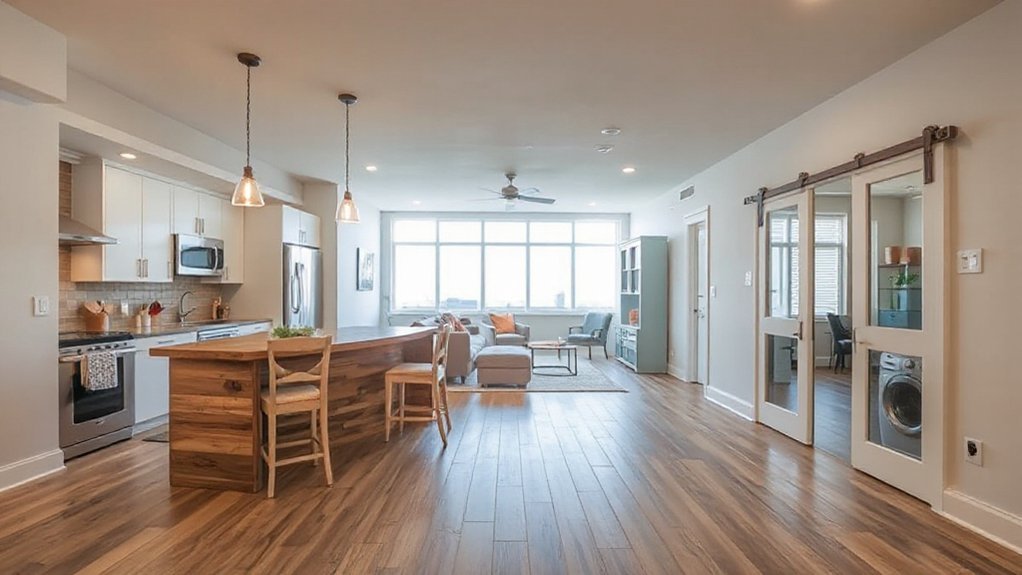
You’ll often capture higher rents when you rework choppy floor plans into open-plan living areas that photograph better, feel larger, and match what renters search for.
You can also boost ROI by adding flexible bedroom space—like a legal den-to-bedroom conversion or a smart partition—because extra sleeping capacity typically lifts rent more than it raises operating costs.
You’re not just renovating; you’re engineering a layout that increases desirability per square foot and reduces vacancy risk.
Open-Plan Living Areas
Because tenants consistently rank “flow” and usable square footage above flashy finishes, an open-plan living area can lift both rent and occupancy by making the same footprint feel larger and function better. When you remove a non-structural wall or widen a doorway, you reduce dead corridors and create sightlines that photograph better—often translating into faster leasing and fewer vacancy days.
To protect ROI, you’ll want targeted upgrades that support an Open plan without sacrificing function, storage, or acoustic comfort in your interior layout.
- Open the kitchen to living with a peninsula to add prep space and seating without adding square metres
- Define zones with lighting layers and durable flooring shifts, not walls
- Improve circulation by aligning entries, furniture clearances, and HVAC returns to reduce hot/cold spots
Add Flexible Bedroom Space
Open-plan living boosts perceived space, but flexible bedroom options often drive the biggest rent premium by matching how tenants actually live and work. You’ll capture that premium by designing Flexible layouts that switch between sleep, study, and guest use without costly structural changes.
Start with a legal bedroom: compliant egress, door, and closet. Then add value with a pocket door, acoustic insulation, and a data/power hub. Use an office-to-bedroom “plus-one” strategy: a 2-bed + flex room often competes with 3-bed listings while keeping build costs lower.
Specify wardrobes instead of fixed joinery to keep reconfiguration simple. Choose adaptable spaces like loft bunks, Murphy beds, or sliding partitions so one room serves two functions.
Track ROI by comparing rent comps and vacancy days pre/post update.
Focus on Kitchens and Baths for Best ROI
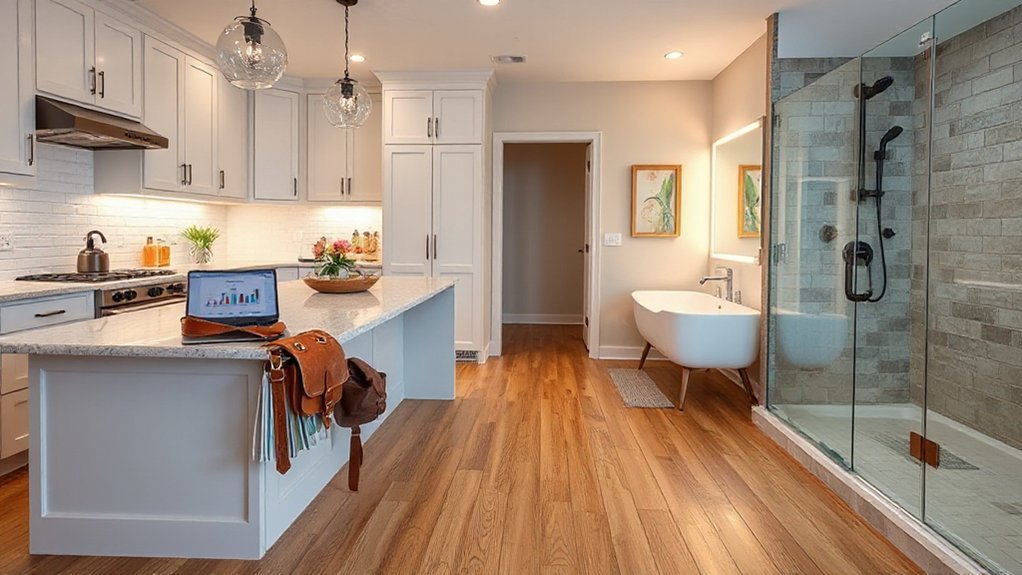
While curb appeal gets the first showing, kitchens and baths close deals and protect your ROI because they concentrate the highest-perceived value per square foot. You’ll typically see the strongest payback by modernizing layout, lighting, and fixtures buyers benchmark across comps, and by keeping finishes cohesive from kitchen to primary bath.
If your building demands historical preservation, you can still deliver luxury upgrades by restoring original millwork while upgrading behind-the-wall performance and usability.
- Rework kitchens for workflow: add an island, widen clearances, and spec efficient venting to justify higher rents.
- In baths, convert dated tubs to frameless showers, improve vanity storage, and add layered lighting for appraisal-friendly impact.
- Track ROI with before/after comp sets, cost-per-item budgets, and projected rent lifts tied to amenity checklists.
Pick Durable, Tenant-Proof Rental Finishes
If you want upgrades that keep paying you back after move-in, you’ll spec finishes that resist wear, clean fast, and look “new” under leasing photos. Choose Durable finishes where tenants touch most: flooring, paint, counters, and hardware. Specify LVP with a 20+ mil wear layer, matte quartz or sealed granite, and satin-sheen, scrub-rated paint; each reduces turn-time cleaning and replacement.
Use Tenant proof materials like solid-core doors, metal kickplates, and commercial-grade faucets to cut service calls. Keep the palette tight—warm white walls, mid-tone floors, and black/brushed-nickel pulls—so units photograph consistently and you can bulk-buy.
Standardize SKUs across properties, then stock a small repair kit for same-day fixes. You’ll protect rents and minimize downtime.
Add Energy Upgrades That Cut Owner Costs
You’ll boost NOI fastest when you cut the building’s largest controllable expense: energy. Start with a high-efficiency HVAC system, then lock in performance with targeted insulation and air sealing that reduce load, smooth temperatures, and extend equipment life.
These upgrades pair clean, modern mechanical design with measurable utility savings, giving you a clearer payback and stronger long-term cash flow.
High-Efficiency HVAC Systems
Because heating and cooling typically represent the largest slice of a building’s energy use, a high-efficiency HVAC upgrade can deliver one of the fastest, most measurable ROI wins you can make. You’ll cut utility spend, reduce service calls, and market a more comfortable unit—often supporting higher rents and lower vacancy.
Prioritize right-sized, variable-speed heat pumps or high-AFUE furnaces matched to your load calculations, then commission the system so performance hits spec. Layer in Smart thermostats to lock in savings with scheduling, setbacks, and remote monitoring across units.
Don’t overlook Ventilation systems; balanced fresh-air design protects indoor air quality and helps control humidity, which tenants feel immediately.
- Specify high-SEER/IEER equipment with documented submittals
- Add controls: zoning, demand response, fault alerts
- Verify ROI with pre/post kWh and runtime trend data
Insulation And Air Sealing
Where do most energy upgrades quietly overperform on ROI? Insulation and air sealing, because you’re cutting the load before buying more equipment.
Start with an audit and blower doors to quantify leakage, then target the biggest pathways: attic hatches, rim joists, top plates, and penetrations. Use spray foam for irregular gaps and rim areas, and dense-pack or batts for cavities where you want a clean, code-friendly assembly.
Design it like a system: continuous air barrier, consistent R-values, and managed ventilation so you don’t trap moisture. The payoff is measurable—lower utility bills, fewer comfort complaints, and longer HVAC life.
You’ll also boost tenant retention and support higher rents with documented performance. Track kWh and therm reductions to prove value at resale.
Add Storage, Laundry, and Other Rent Boosters
While big-ticket renovations grab attention, small “rent boosters” like added storage, in-unit laundry, and smart space upgrades often deliver a faster, more predictable ROI. You’ll win renters with convenience and clean design, not just new finishes. Track comps: units with laundry and better organization typically lease faster and reduce vacancy loss, which often beats marginal rent lifts from cosmetic updates alone.
- Add storage where it’s invisible: floor-to-ceiling closets, pantry pullouts, over-fridge cabinets, and under-stair built-ins.
- Install compact, ventless laundry; pair it with durable flooring and acoustic isolation to protect turnover costs.
- Layer Smart home features—keyless entry, leak sensors, programmable thermostats—and align them with Community amenities like package rooms and bike storage.
Model payback with rent lift minus capex and downtime.
Create New Income Streams (Parking, Pets, Fees)
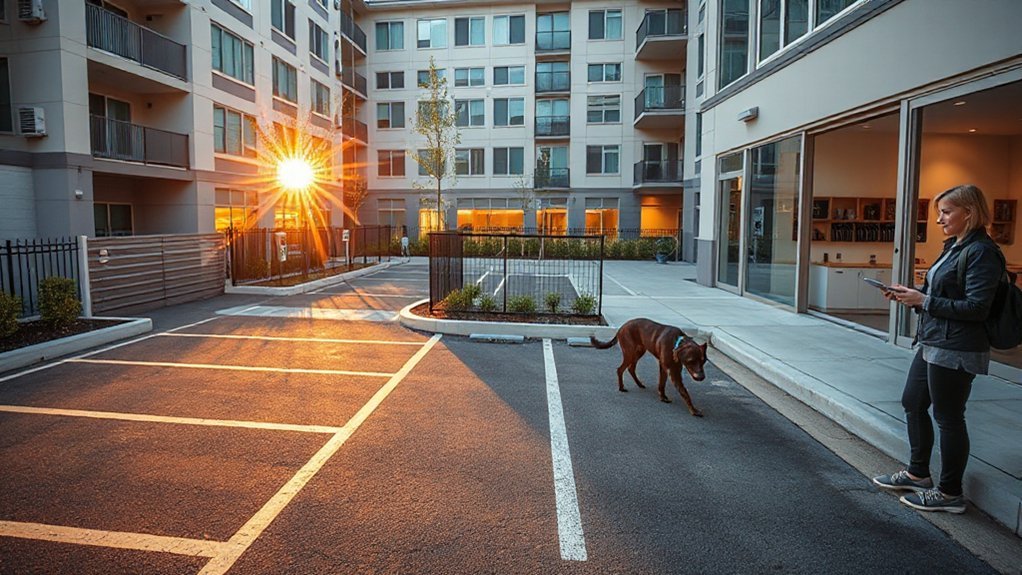
If you’ve already tightened the unit and the ops, you can still raise NOI by turning overlooked conveniences into paid add-ons—parking upgrades, pet revenue, and small, clearly scoped fees.
Start with parking: stripe compact stalls, add reserved spots, EV charging, or covered spaces, then price by tier to match demand. Use Creative leasing to bundle “premium parking” into higher-rent renewals while keeping base rents competitive.
Next, monetize pets with smart pet policies: charge pet rent, require DNA registration, and offer a “pet wash” station to justify pricing and reduce damage.
Finally, add fees that track real costs—utility RUBS, package lockers, key replacement, and admin for month-to-month. Keep every charge transparent, optional when possible, and tracked against churn and delinquency.
Plan Renovations to Minimize Vacancy Loss
Add-on income boosts NOI, but renovation timing protects it—every extra day a unit sits offline can erase weeks of higher rent. Build a calendar that ties scope to lease expirations, so you’re upgrading during natural turnover, not creating it.
Use Market timing to target slower leasing months for heavy work and peak season for show-ready finishes, maximizing rent lift when demand’s highest.
Keep Tenant engagement tight: pre-notice schedules, quiet hours, and design mockups reduce friction and prevent surprise move-outs.
Track vacancy cost per day versus projected rent premium, then prioritize improvements with the fastest payback and the strongest visual impact.
- Batch identical units to shorten learning curves and material lead times
- Pre-order long-lead items and stage them on-site to avoid idle days
- Offer early renewal or transfer options to keep occupancy stable
Decide DIY vs. Contractor for Each Upgrade
Because labor typically drives 40–60% of a renovation budget, you’ll boost ROI fastest by choosing DIY only where your time costs less than the contractor premium and the work won’t delay leasing.
Start by scoring each upgrade on margin impact, complexity, and schedule risk. DIY paint, hardware swaps, and simple landscaping often deliver 2–5% rent lift at low cash outlay, especially when you follow DIY safety protocols and keep finishes consistent (one flooring, two paint colors, cohesive lighting temps).
Hire pros for electrical, plumbing, structural work, and anything requiring permits; delays and rework erase savings fast.
Verify contractor licensing, insurance, and references, then bid against a written scope with allowances. Track hours and materials so you can compare true cost to bids.
Choose: Refinance, Hold, or Sell After Value-Add
Once your upgrades push rents and appraised value higher, you need to decide whether to refinance, hold, or sell based on the spread between your new stabilized NOI and today’s cost of capital.
Run a post-renovation pro forma and stress-test occupancy, capex, and debt service; design choices that reduce maintenance often lift NOI more reliably than cosmetic finishes.
Compare market timing against your return hurdles and liquidity needs, then pick the path that maximizes risk-adjusted IRR.
- Refinance: If DSCR stays strong at current rates, use cash-out to fund the next value-add while preserving upside.
- Hold: If rent growth outpaces rate risk, lock in longer terms and keep compounding tax-advantaged cash flow.
- Sell: If buyer caps compress and your equity multiple peaks, exit and redeploy into better financing options.
Frequently Asked Questions
What Permits and Inspections Are Required for Common Rental Renovations?
You’ll need permits and inspections for structural, electrical, plumbing, HVAC, roofing, and egress changes; verify zoning regulations and building codes. Plan early to cut delays, protect ROI, and meet design specs, passing rough-in and final inspections.
How Do I Screen Contractors to Avoid Scams and Cost Overruns?
You screen, you verify, you document: start Contractor vetting with license/insurance checks, three bids, and 3–5 references. For Scam prevention, use lien waivers, milestone payments, detailed scope/specs, and track change orders for ROI.
What Insurance Changes Are Needed During and After Renovations?
During renovations, you’ll increase Insurance coverage with a builder’s risk endorsement, add liability, and report vacant periods; make Policy adjustments for higher replacement cost. After, you’ll update dwelling limits, add ordinance coverage, and revise rentals.
How Do Tax Deductions and Depreciation Work for Value-Add Improvements?
You’ll deduct repairs immediately, but you’ll capitalize value-add improvements and claim Tax benefits via depreciation methods like MACRS. You’ll separate land, building, and components using cost segregation to accelerate deductions and boost ROI.
How Can I Finance Renovations Without Draining Cash Reserves?
Bridge renovation costs like a well-lit corridor: you’ll use a HELOC, cash-out refi, or contractor financing, then repay via rent optimization. Pair property staging with phased upgrades to boost comps, track ROI, and protect reserves.
Conclusion
You don’t add value by guessing—you add it by designing for returns. Start with a clear goal, then run the numbers: projected rent lift, ROI, and payback. Use renovated rent comps to set a budget that beats the neighborhood, not overshoots it. Eliminate rent killers, add income streams (parking, pets, fees), and schedule work to cut vacancy loss. DIY where margins hold; hire where quality drives rent. Then choose: refinance, hold, or sell.