
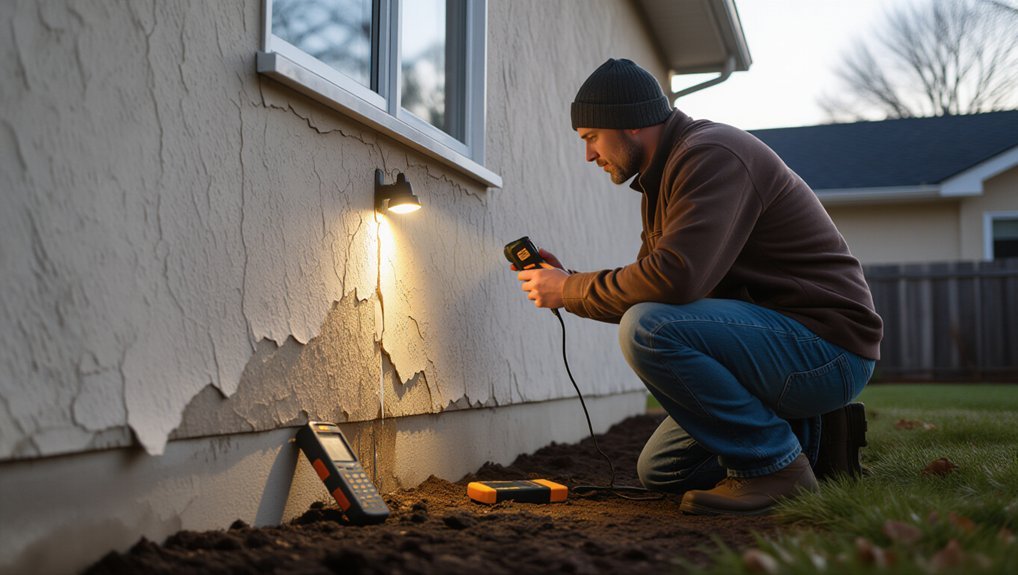
You can spot costly repair issues early by checking for new sounds (gurgling, kettling, buzzing, rattles), odd smells (musty damp or faint burning near the consumer unit), small leaks (under sinks, ceiling stains, efflorescence), and cracks that widen or form steps. Act fast if you smell gas, see scorch marks, notice water near electrics, or spot sudden movement—shut off supplies and call 999 or 0800 111 999. Keep going to learn simple checklists for home, car, and workplace.
Key Takeaways
- Listen for unusual sounds (gurgling, kettling, buzzing, rattling, clunks) that suggest wear, loose fixings, or failing components.
- Smell for musty damp odours or faint burning near electrics, which can indicate leaks, mould growth, or overheating.
- Look for early visual clues: leaks, ceiling stains, efflorescence, paint bubbling, or corrosion before water damage and rust spread.
- Monitor cracks and movement: hairline shrinkage is common, but widening or stepped cracks, sticking doors, or sagging need urgent assessment.
- Keep a simple log and schedule preventative maintenance (clear gutters, reseal joints, service heating, check tyres/alignment) to stop small faults escalating.
Repair Warning Signs: Sounds, Smells, Leaks, Cracks
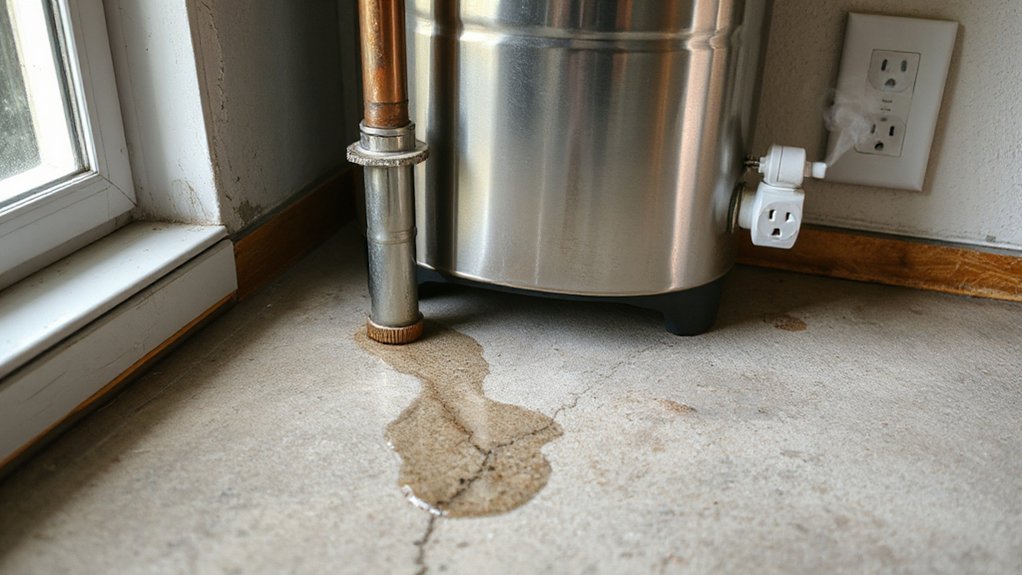
Before a small fault turns into a costly call-out, you can usually spot early warning signs in what you hear, smell, and see around the property. Listen for new gurgling in waste pipes, kettling in the boiler, buzzing at sockets, or intermittent extractor fan rattles—each points to wear or a loose fixing.
Trust your nose: musty odours suggest damp, while a faint burning smell near a consumer unit can indicate overheating.
Look for leaks under sinks, staining on ceilings, or efflorescence on masonry.
Check cracks: hairline plaster cracks often track shrinkage, but widening or stepped brickwork can signal movement or material deterioration.
Log changes and schedule preventive maintenance: re-seal joints, clear gutters, and service heating annually to keep costs down.
Is It Urgent? Quick Repair Triage and Safety Steps
When something goes wrong at home, you can usually decide how urgent it’s in a couple of minutes by triaging risk first, not inconvenience. Start your Urgency assessment by asking: could this harm someone, cause fire, flooding, or structural failure, or make the home uninhabitable?
- Smell gas, see scorch marks, or hear arcing? Turn off power at the consumer unit, ventilate, and call 999 or the gas emergency line (0800 111 999).
- Water near electrics or a ceiling bulge? Isolate electrics first, then shut the stopcock.
- Rapid cracks, sticking doors, or sagging? Keep people out and ring a structural engineer.
- Sewage backing up? Avoid contact, disinfect, and call a plumber.
Follow Safety protocols before you attempt any fix.
Spot Repair Issues at Home: A 10-Minute Checklist
Although you can’t inspect every inch of your home daily, a focused 10‑minute walk-round will catch the early warning signs—damp, heat, movement, and wear—before they turn into big bills.
Start in the hallway: check skirting boards and plaster for hairline cracks, then feel around radiators and pipework for leaks and cold spots.
In the kitchen, look under the sink and around the washing machine for swollen units, mould, or limescale.
In the bathroom, press grout and silicone; any softness or blackening needs resealing.
Test a couple of sockets and note warm plates.
Open and shut doors; sticking can signal swelling or settlement.
Outside, scan gutters and brickwork.
Finish with paint touch ups and log furniture scratches before they worsen.
Spot Repair Issues in Your Car: Early Symptoms to Watch

Home checks catch damp and movement early; your car gives equally clear hints if you know what to watch for on the school run or the M25. Don’t wait for an MOT fail or a breakdown on the hard shoulder—spot patterns while you’re driving and when you park up.
- New squeaks over speed bumps, or a clunk when you pull away, can flag worn drop links or mounts.
- Steering that drifts left/right or a vibrating wheel at 60–70mph often points to tyre imbalance, alignment, or a buckled rim.
- Damp carpets, misting windows, or musty smells suggest leaks and interior damages starting under trims.
- Chips, bubbling, or mismatched gloss are paint imperfections that can let rust take hold.
If any sign repeats twice, book a quick inspection locally.
Spot Repair Issues at Work: Equipment, Tools, and Facilities
Before a tool fails mid-shift or a small leak turns into a shutdown, you can catch most workplace repair issues by doing quick, routine checks on equipment and the building fabric.
Walk the floor at shift start: listen for new rattles, smell overheating insulation, and feel for vibration on pumps, fans, and conveyors.
Check guards, leads, plugs, and PAT labels on portable tools, and tag anything with frayed cables or loose housings.
In plant rooms, look for damp patches, corrosion, and weeping joints.
In welfare areas, test taps, flush valves, and extractors.
Log findings immediately, then use Maintenance scheduling to plan fixes before the next run.
Prioritise safety-critical defects, and justify Resource allocation with downtime risk and parts lead times.
Frequently Asked Questions
How Often Should I Schedule Professional Inspections to Catch Hidden Issues Early?
You should book professional inspections yearly, and every 6 months for older UK homes or after storms. For Home maintenance, set your Inspection frequency around boilers, electrics, roofs, and drains, plus pre-purchase surveys.
Which Repairs Are Best Handled by a Licensed Professional Versus DIY?
You’re better letting a licensed pro handle electrics, gas, boiler work, structural changes, and damp treatment—DIY can turn into a “learning experience.” You can DIY decorating, minor plumbing, and sealing, prioritising DIY safety and tool selection.
What Warranty Coverage Might Be Voided if I Delay or Attempt Repairs Myself?
You can trigger warranty voiding if you delay reporting faults, miss service intervals, use non-approved parts, or ignore “fit by” requirements. DIY pitfalls include breaking seals, poor wiring/plumbing, or unauthorised modifications—often excluding parts and labour.
How Can I Estimate Repair Costs Before Contacting a Contractor or Mechanic?
Shine a torch on the problem and list symptoms, parts, and labour time. Use DIY tips: check service manuals, price UK parts online, then do a cost comparison with three local quotes. Add VAT, call-out fees.
What Documentation Should I Keep to Support Insurance Claims for Repair Damage?
Keep dated photos/videos, purchase receipts, repair quotes, invoices, and correspondence. Save policy and Insurance paperwork, incident notes, police reports if relevant, and contractor reports. Use Documentation organization: labelled folders, backups, and a claim timeline.
Conclusion
If you catch repair warning signs early, you’ll save money and hassle. In the UK, damp and mould affect around 2.4 million homes, and that often starts with a small leak you could’ve spotted in minutes. Listen for new rattles, sniff out burning smells, and look for hairline cracks, drips, or corrosion. If anything feels unsafe, isolate power or water and book a qualified tradesperson. Stay proactive—you’ll avoid big bills.