
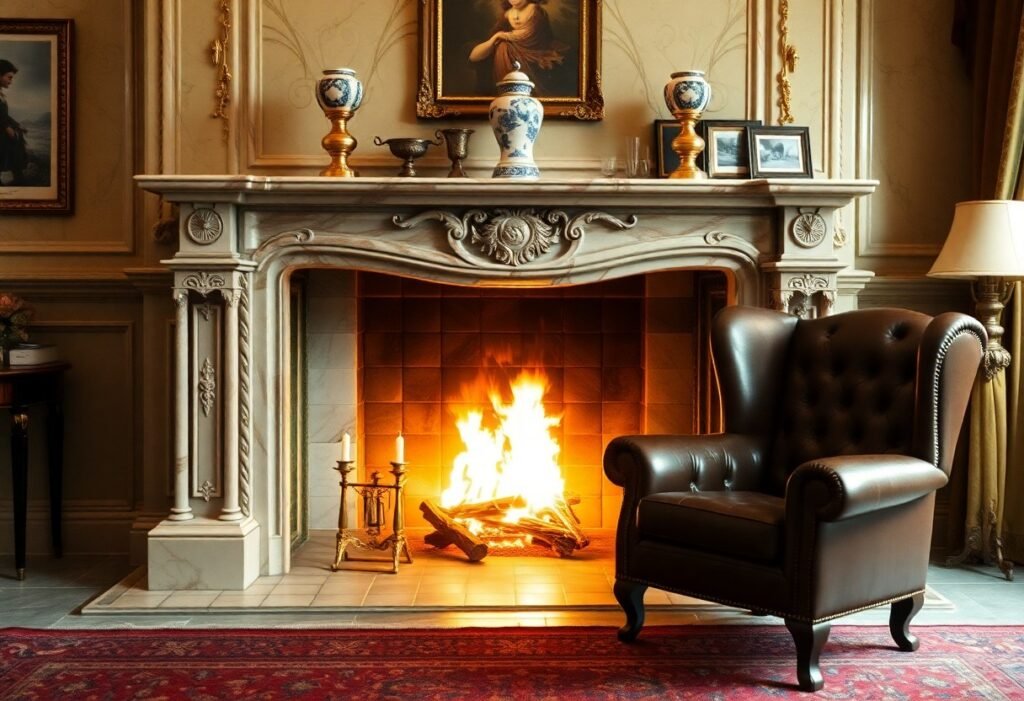
To start decorating around an antique fireplace as the feature, you need to pla the layout and more. There’s a quiet elegance in preserving history within your home, and an antique fireplace offers just that. You can build a room’s character around its intricate details, letting the hearth anchor both design and atmosphere. Choose furnishings and finishes that respect its age while blending with your taste.
The Soul of the Hearth
Your antique fireplace isn’t just a feature-it’s the quiet heartbeat of your living space. Its aged mantel carries whispers of winters past, each crack and patina telling a story. You feel its presence the moment you enter the room, a steady warmth that no modern heater can replicate. Let it anchor your decor, not as a relic, but as a living piece of history that shapes how you experience home.
Whispers of the Gilded Age
Ornate Details That Speak Volumes
You notice how every carved acanthus leaf and scrolled motif carries intention-these aren’t mere decorations but testaments to a time when craftsmanship defined luxury. The mantel’s gilded edges catch the light just so, echoing the opulence of late 19th-century parlors where firelight danced across velvet drapes and polished wood. Your space gains depth when you honor these details with period-appropriate accessories, not replicas, but pieces with their own history.
Curating the Mantelpiece
You shape the character of the room each time you style the mantelpiece. Let symmetry guide your arrangement-pair an aged candelabra with a vintage clock or stack of leather-bound books. Objects should vary in height and texture but share a period sensibility. A single framed black-and-white photograph adds intimacy without clutter. Keep space between pieces so each can breathe and be appreciated. Your choices tell a story-make it personal.
Lighting the Scene
You shape the mood of the room the moment you highlight your antique fireplace. A pair of wall sconces with candle-style bulbs draws attention to the mantel’s carved details, while a low-wattage lamp on either side adds warmth without overpowering the space. Light should enhance the history, not compete with it.
The Hearthside Seating
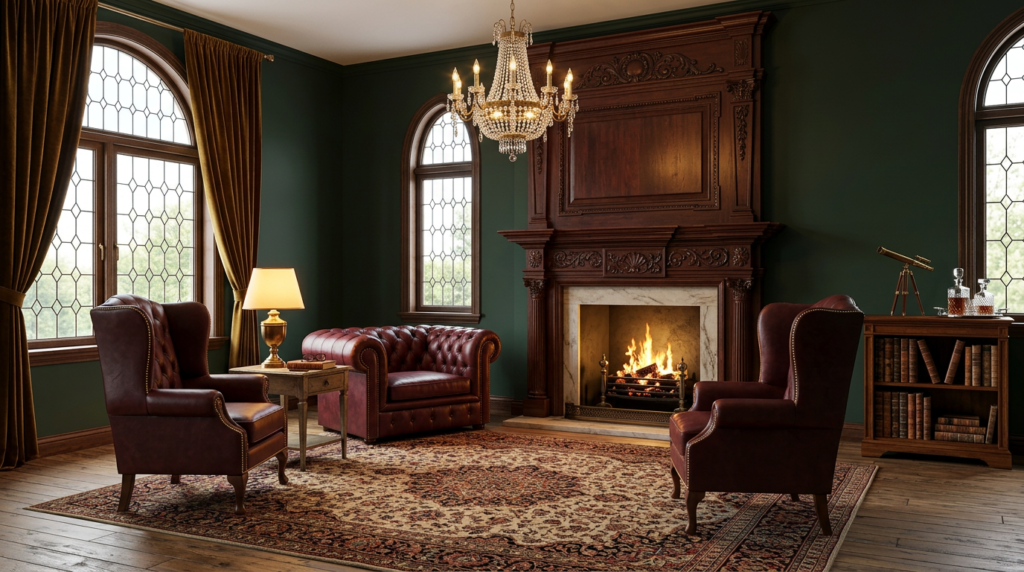
You create intimacy by arranging seating close to the antique fireplace, letting its presence anchor the room. Choose armchairs with classic lines or a well-upholstered loveseat that invites lingering conversation. Position each piece to capture both warmth and visual connection to the hearth, honoring the fireplace’s role as the home’s original gathering point. Soft throws and layered textures enhance comfort without competing with the fireplace’s historic charm.
Modern Touches in Old Frames
You balance history and contemporary life every time you choose what to place around your antique fireplace. A sleek, low-profile media unit fits beneath a carved Victorian mantel without competing for attention. Clean-lined seating in neutral tones lets the fireplace remain the focal point. You might hang a large abstract canvas above it, creating contrast that feels intentional, not jarring. Recessed lighting complements the warmth of aged wood and soot-darkened brick. Even a minimalist clock or ceramic vase can bridge centuries when thoughtfully placed. Your choices don’t erase the past-they let it breathe in a modern home.
Conclusion
Drawing together history and design, you honor the charm of the past by building your space around an antique fireplace. Your choices in furnishings, colors, and textures frame its character while ensuring it remains the heart of the room. This approach creates warmth, depth, and a timeless connection between old craftsmanship and modern living.
FAQ
Q: How can I choose the right decor style to complement an antique fireplace?
A: Start by identifying the period and design details of your antique fireplace-whether it’s Victorian, Edwardian, or Art Deco. Match the architectural lines and materials with furnishings from the same era or styles that harmonize with it. For example, a carved wooden mantel with ornate details pairs well with traditional fabrics like damask or velvet, while a simpler cast-iron surround might suit a cottage or industrial look. Use color palettes that enhance the fireplace’s original features without overwhelming them, such as soft neutrals or muted earth tones.
Q: What should I avoid when decorating around an antique fireplace?
A: Avoid covering or blocking the fireplace with oversized furniture or heavy drapery, as this hides its character. Don’t paint over original finishes unless absolutely necessary-many antique fireplaces have hand-painted details or patinas that add charm. Steer clear of modern materials that clash with the period style, like glossy acrylic shelves or ultra-minimalist decor, unless you’re intentionally creating a contrast. Keep the focus on the fireplace as a centerpiece by maintaining balance in scale and design.
Q: Can I use a modern rug or artwork with an antique fireplace?
A: Yes, mixing modern elements can create a dynamic and personal space. A contemporary rug with bold geometry can ground an ornate fireplace and add visual interest. Abstract or modern artwork above the mantel can provide contrast and prevent the room from feeling like a period reenactment. The key is to maintain a cohesive color scheme or material thread-such as brass accents in both old and new pieces-to tie the elements together naturally. Let the fireplace remain the focal point while using modern touches to refresh the overall look.