
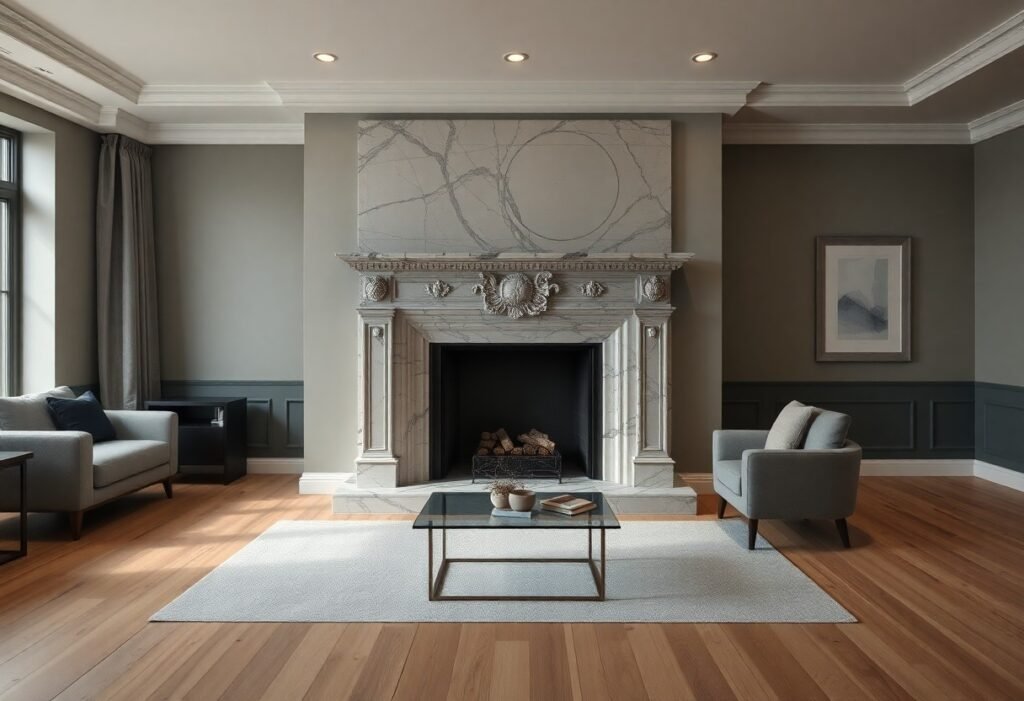
Selecting the Ideal Antique Fireplace
Choosing the right antique fireplace begins with assessing your home’s architectural character and your personal design goals. Proportion, material, and original era matter-each influences how well the piece integrates into a contemporary space. Focus on fireplaces with structural integrity and timeless appeal to ensure lasting value and visual harmony.
Factors to consider when matching period styles with modern layouts
Style alignment shapes the success of your integration.
- Match the fireplace’s era to your home’s period or deliberately contrast it for visual interest
- Consider scale-oversized mantels can dominate minimalist rooms
- Balance ornate carvings with clean-lined furnishings
- Test finishes against your wall and floor materials
After evaluating these elements, your choice will feel intentional, not accidental.
How to source authentic reclaimed mantels and surrounds
Reclaimed architectural salvage yards and estate sales often hold genuine period pieces. Look for provenance, craftsmanship, and wear patterns that signal authenticity. Online marketplaces specializing in heritage materials can also connect you with vetted suppliers.
Inspect each mantel for damage like cracks or insect erosion, and verify restoration potential. Many suppliers offer restoration services or can guide you to trusted craftsmen. Regional building styles influence design details-Georgian, Victorian, or Art Deco-so knowing your home’s roots helps narrow options. After confirming authenticity and condition, your mantel becomes both a focal point and a piece of history.
Restoration and Safety Preparation
Begin by assessing your antique fireplace’s condition to determine the extent of restoration needed. Clean accumulated debris, inspect for structural weaknesses, and verify that original materials can safely support modern use. Authenticity matters, but so does safety-always align upgrades with today’s standards without compromising character.
Tips for cleaning and preserving aged marble, wood, and cast iron
Clean each material with methods tailored to its nature.
- Use a pH-neutral stone cleaner for marble-avoid acids that etch the surface
- For wood mantels, gently sand only where necessary and apply a breathable finish
- Remove rust from cast iron with a wire brush, then seal with high-heat paint
Knowing how each material responds to cleaning ensures long-term preservation and visual integrity.
Essential safety factors for meeting current building codes
Ensure your restored fireplace complies with local regulations before use.
- Verify flue size and chimney lining meet current venting standards
- Install smoke and carbon monoxide detectors nearby
- Confirm hearth dimensions provide adequate clearance from combustibles
After passing inspection, you can use your fireplace with confidence and peace of mind.
Compliance isn’t just about inspections-it protects your home and family.
- Hire a certified chimney sweep to evaluate draft and creosote buildup
- Upgrade outdated dampers to improve efficiency and control
- Use fireproof insulation around concealed areas near the firebox
After professional validation, your antique fireplace functions safely within a modern living environment.
How to Install a Vintage Surround in a Modern Home
Installing a vintage fireplace surround demands precision and respect for both old craftsmanship and new building standards. You’ll need to assess the opening size, structural support, and flue alignment before setting the piece. Work with a skilled mason or restoration specialist to ensure the surround integrates safely and securely within your current layout.
Structural requirements for supporting heavy historic materials
Weight is a primary concern when installing antique surrounds, many of which exceed standard load capacities. You must verify that your floor and wall structure can bear the load, potentially reinforcing with steel supports or footings. An engineer’s assessment ensures safety while preserving the integrity of both the historic piece and your modern home.
Integrating antique masonry with contemporary wall finishes
Blending old masonry with sleek modern walls creates a striking contrast when done thoughtfully. You can frame the surround with drywall, plaster, or paneling that complements rather than competes. Pay attention to transitions-clean lines and consistent color palettes help the antique element feel intentional, not out of place.
Matching centuries-old brick or carved stone with today’s minimalist interiors requires careful detailing. You might recess lighting around the surround or use shadow gaps to separate old and new materials visually. Choose finishes that echo the texture or tone of the masonry-limewash near aged brick, or matte paint beside soot-darkened stone-to create harmony without imitation. The goal is balance: let the antique speak for itself while anchoring it in a context that feels current and cohesive.
Styling Strategies for a Balanced Aesthetic
Balance defines the success of blending antique fireplaces with modern interiors. You don’t need to match every detail-instead, focus on harmony between old and new. Let the fireplace anchor the room while surrounding elements provide contrast. Use clean lines in furniture and decor to offset the fireplace’s character without diminishing its presence.
Tips for pairing ornate carvings with minimalist interior design
Ornate carvings demand space to breathe, especially in a minimalist setting. Keep wall colors neutral and limit decorative objects to avoid visual clutter. Choose simple window treatments and streamlined furniture. Assume that
- less is more
- contrast creates interest
- proportion guides impact
.
How to choose modern hearth accessories that bridge the era gap
Material choice speaks louder than style when uniting periods. Select hearth tools in matte black steel or brushed brass with geometric shapes that echo mid-century design. Their function remains traditional, but their form nods to contemporary taste. This subtle alignment keeps the fireplace feeling current without erasing its history.
When selecting modern hearth accessories, look beyond aesthetics to how they interact with the space. A sleek log basket in powder-coated metal can complement an 1800s mantel while feeling at home in a 21st-century living room. The key is consistency in finish and restraint in design-avoid anything overly industrial or fussy. These pieces should feel intentional, not like afterthoughts.
Functional Retrofitting and Modern Conversions
Updating an antique fireplace doesn’t mean sacrificing performance for style. You can preserve the original surround and mantel while integrating modern heating technology behind the scenes. Many homeowners choose this path to enjoy period details without compromising warmth or convenience.
Factors for converting traditional hearths to gas or electric inserts
- Assess chimney condition and ventilation needs
- Confirm local building codes allow conversions
- Choose an insert that matches your fireplace opening size
- Consider thermostat control and remote operation features
Knowing your home’s layout and heating demands helps you pick the right system for comfort and efficiency.
How to optimize heating efficiency while maintaining historic charm
Sealing gaps around the firebox and adding a tempered glass door boosts heat retention. You can install a circulating fan behind the facade to push warm air into the room. These subtle upgrades work quietly, so the classic look stays intact while performance improves.
Improving efficiency starts with understanding how older masonry draws and loses heat. A properly fitted insert or closed combustion system reduces smoke and heat loss up the flue. Insulating the chase or adding a heat exchanger captures more warmth where you need it. You maintain the original aesthetic by keeping visible elements like tile, stone, or carved wood untouched, letting modern mechanics operate invisibly within.
Final Words
Summing up, you bring character and history into your modern home by thoughtfully placing an antique fireplace as a focal point. You balance old and new through proportion, material harmony, and clean surrounding lines. The result is a space that feels layered, intentional, and uniquely yours. Ensure what you are buying is good quality and authentic.
FAQ
Q: How can I blend an antique fireplace with a modern interior without it looking out of place?
A: Start by balancing the visual weight of the antique fireplace with clean, contemporary lines in the surrounding space. Use neutral wall colors, minimalist furniture, and uncluttered layouts to let the fireplace stand out as a focal point. Materials like polished concrete, glass, or steel in nearby elements-such as a mantel shelf or hearth border-can bridge the gap between old and new. The key is contrast with cohesion: allow the fireplace to feel like a historical anchor while ensuring the rest of the room supports its presence without competing.
Q: What should I consider when restoring an antique fireplace for use in a modern home?
A: Safety and functionality come first. Have a qualified professional inspect the chimney, flue, and firebox to ensure they meet current building codes and are safe for use. If the original materials are fragile, consider using period-appropriate but durable replacements-like refractory mortar or reclaimed brick-that maintain authenticity. You might also retrofit the fireplace with a gas insert or electric fire for convenience and efficiency, preserving the look while improving usability. Always check local regulations before making structural or mechanical changes.
Q: Can an antique fireplace work in a small or minimalist modern space?
A: Yes, even in compact or sparsely furnished rooms, an antique fireplace can add warmth and character. Choose a smaller-scale antique design, such as a Victorian cast-iron insert or a delicate marble surround, to avoid overwhelming the space. Position it thoughtfully-centered on a wall or aligned with natural sightlines-to enhance its impact without disrupting flow. Pair it with simple window treatments, low-profile furniture, and monochromatic tones to keep the room feeling open. The contrast between the detailed fireplace and the minimal backdrop often makes both elements more striking.