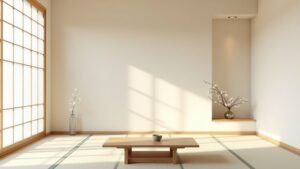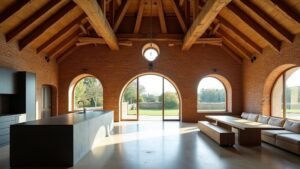
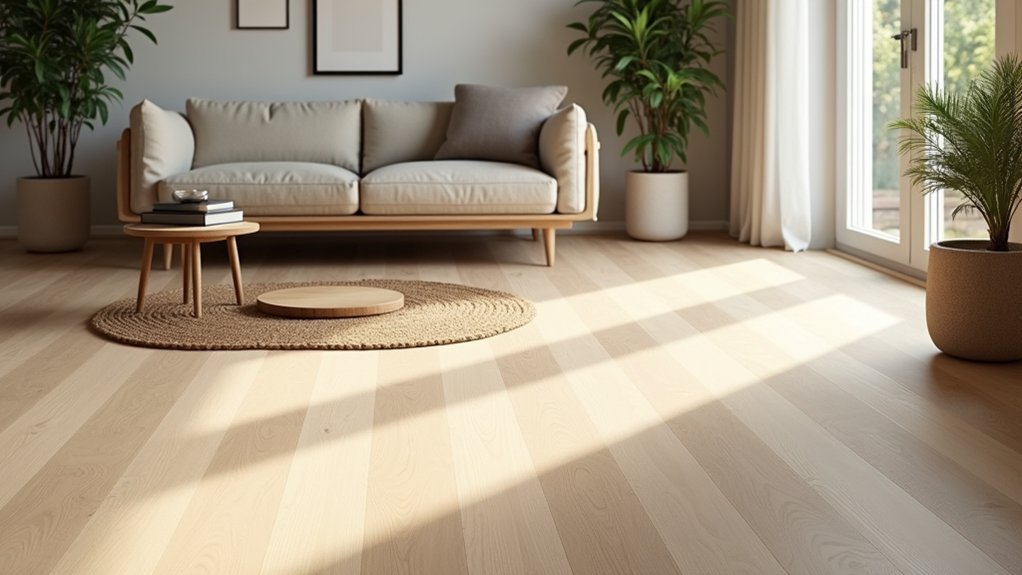
Flooring can make your room feel more relaxed by improving warmth underfoot, reducing impact noise, and supporting healthier indoor air. You’ll feel cosier with insulating surfaces like carpet or cork, or engineered timber paired with acoustic underlay. You can cut echo and footsteps by sealing edges, using dense underlays, and adding large rugs with pads. You’ll also reduce irritants by choosing low-VOC, low-formaldehyde products with documented emissions. Further guidance covers rooms, colours, and finishes.
Key Takeaways
- Choose warm, low-conductivity flooring like carpet or cork to feel cosy and reduce “cold floor” stress.
- Reduce noise with carpets, acoustic underlay, and sealed edges to soften footsteps and cut sound transmission.
- Pick soft, cushioned surfaces (thicker pile, resilient vinyl, quality underlay) to improve comfort and reduce fatigue.
- Use calm colours and matte finishes (pale oak, greige, taupe) to lower glare, hide marks, and reduce visual clutter.
- Prioritise low-VOC, durable finishes and easy-clean materials to improve air quality and simplify upkeep for daily calm.
Define Your Relaxing Flooring Priorities
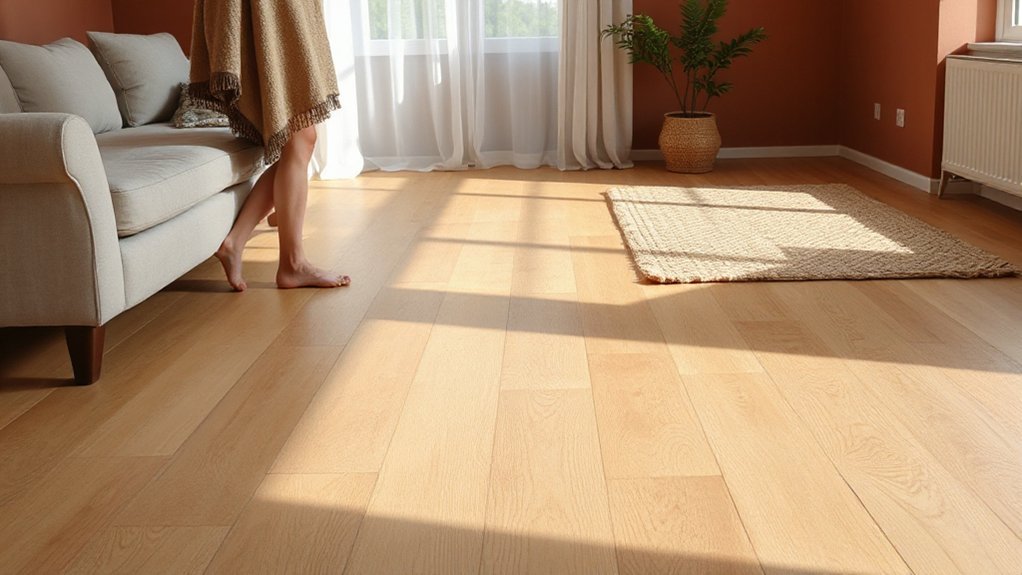
Although relaxation can feel subjective, you’ll get better results if you define what “calming” means for your room before you choose a floor. Start by listing measurable priorities: lower allergens, fewer visible marks, simpler cleaning routines, or reduced VOC exposure. UK guidance on indoor air quality supports selecting low-emission products, so you should ask for E1/low-formaldehyde certification and documented VOC data. Next, align flooring maintenance with your lifestyle: if you won’t reseal or oil annually, rule out finishes that demand it and prioritise durable factory coatings. Finally, set sustainability criteria early. Specify eco friendly materials such as FSC-certified timber, recycled-content vinyl alternatives, or responsibly sourced cork, and confirm supply-chain transparency. Your shortlist becomes clearer, and your decisions stay consistent.
Relaxing Flooring Basics: Warmth, Quiet, Softness
Because your body reads a room through temperature, sound, and underfoot feel, you should treat warmth, quiet, and softness as the core performance criteria for relaxing flooring. In UK homes, warmth starts with low thermal conductivity and compatible underlay; carpets and cork reduce heat loss, and you can pair them with efficient underfloor heating where suitable. For quiet, prioritise impact-noise reduction: dense underlay, floating floors with acoustic membranes, and sealed edges are practical soundproofing options that limit footfall and transmitted vibration. Softness matters for perceived comfort and joint load; thicker pile, resilient surfaces, and cushioned backing improve compliance without feeling unstable. You’ll also reduce irritation and improve indoor air quality by selecting eco friendly materials with verified low-VOC certifications and responsibly sourced fibres.
Best Relaxing Flooring by Room
When you match flooring to how each room gets used, you can improve comfort, reduce noise transmission, and maintain stable indoor temperatures without over-specifying the whole house. In bedrooms, you’ll typically feel most relaxed with carpet and quality underlay, which UK acoustic guidance often supports for impact-sound reduction. In living rooms, engineered wood with an acoustic underlay offers warmth and cleaner indoor air than some textiles, while keeping footfall quieter than tile. In kitchens, choose cushioned vinyl or rubber for softer standing comfort and good slip resistance, and plan flooring maintenance around moisture and spill frequency. In bathrooms, specify porcelain or luxury vinyl with secure waterproofing; key installation considerations include subfloor preparation, expansion gaps, and sealed thresholds to limit draughts and leaks.
Calming Flooring Colors That Soothe
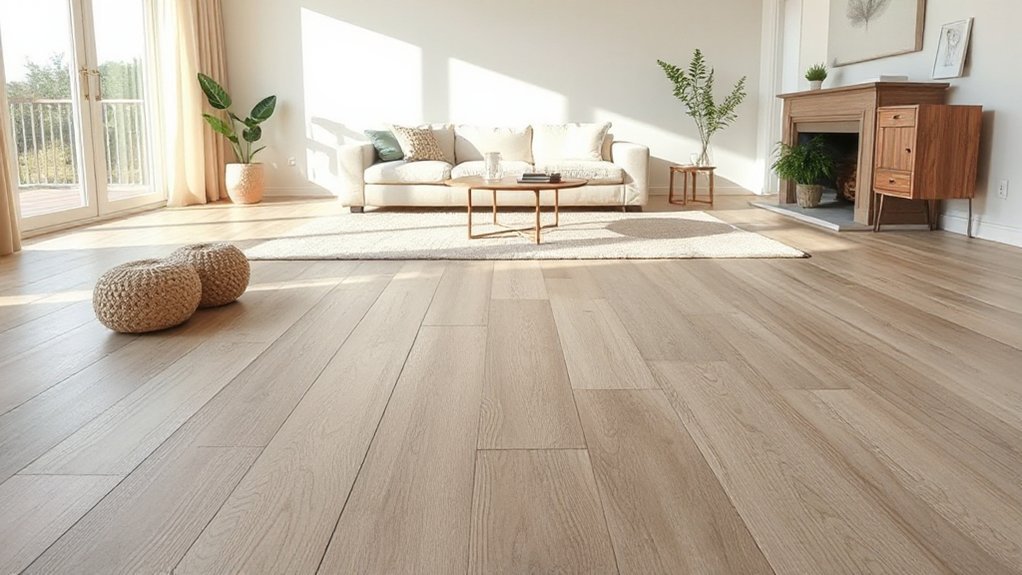
Room-by-room material choices set the baseline for comfort, but colour and tone shape how relaxed you feel the moment you walk in. In UK homes, you can use Soothing color palettes to lower perceived visual noise and support steadier attention, aligning with findings from environmental psychology on muted hues and reduced arousal. You’ll also create calming visual illusions by managing contrast and reflectance, especially under variable daylight.
- Choose pale oak, warm beige, or soft greige to keep light levels even in north-facing rooms.
- Use mid-tone taupe or smoke-grey to conceal marks and reduce high-contrast edges in busy hallways.
- Specify desaturated sage or clay undertones to balance cool LEDs and prevent a clinical feel at night.
Relaxing Flooring Textures Underfoot
You’ll often feel more relaxed when your flooring texture provides gentle cushioning and stable support, which aligns with UK research on comfort and perceived wellbeing in interiors. You can achieve this with plush carpets and rugs that soften impact and reduce noise, or with cork that stays resilient and slightly springy underfoot. You’ll also find that warm natural wood grain offers a tactile, temperature-balanced surface that supports a calm, grounded room feel.
Plush Carpets And Rugs
How much calmer can a room feel when your feet meet a soft surface rather than a hard, reflective one? In many UK homes, plush carpets and rugs add soft textures that dampen impact noise and reduce reverberation, supporting a quieter, more restorative atmosphere. You’ll also notice warmer underfoot comfort, which can encourage slower movement and longer dwell time in living spaces. Choose dense, plush fibers and a quality underlay to improve cushioning and insulation, particularly in draught-prone terraces and flats. To make the effect tangible, picture:
- A deep-pile rug beside the sofa, absorbing footfall during evening routines.
- A wool carpet in the bedroom, softening first steps and reducing echo.
- A runner in the hallway, lowering clatter from shoes and bags.
Soft Cork Underfoot
Although cork doesn’t look as plush as a deep-pile carpet, it delivers a noticeably softer, calmer feel underfoot because its cellular structure compresses slightly with each step. You’ll notice less fatigue when standing, as the springy surface reduces impact and supports more relaxed movement through the room.
In UK homes, cork’s low thermal conductivity helps your floor feel warmer to the touch, which can improve perceived comfort in cooler months. The fine cork texture also dampens footfall noise, supporting a quieter, more restorative atmosphere in flats and open-plan spaces. If you’re choosing eco friendly flooring, you can specify products made from sustainably harvested bark and check for low-VOC finishes to protect indoor air quality. Keep it clean with gentle, pH-neutral products, and you’ll preserve its cushioning.
Warm Natural Wood Grain
In what ways does warm natural wood grain support a calmer room? You benefit from a surface that visually reduces stress by echoing cues found in nature. Studies in environmental psychology link Natural textures with improved perceived comfort, and wood’s low-gloss finish can soften light, limiting glare in typical UK homes.
- You’ll notice varied Grain patterns that guide the eye gently, like ripples in a shoreline, promoting slower visual scanning.
- You’ll feel moderate warmth underfoot compared with tile, helping you maintain thermal comfort in centrally heated rooms.
- You can choose oiled oak or ash boards; their matte tones pair well with neutral paints and layered textiles.
Select responsibly sourced timber (FSC/PEFC) to align calm interiors with credible sustainability expectations.
Relaxing Flooring That Reduces Noise
Because unwanted sound quickly undermines comfort, choosing flooring that dampens impact and airborne noise can make your room feel noticeably more restful. In UK homes, you’ll reduce footfall and echoed speech by selecting resilient surfaces with integrated acoustic underlays that meet or support Part E expectations. Cork and linoleum perform well because their cellular structures absorb vibration; they also suit Eco friendly materials goals when responsibly sourced and manufactured. Engineered timber paired with high-quality acoustic backing can lower transmitted impact while keeping a calm, natural appearance. You’ll also benefit from thicker luxury vinyl with sound-reducing cores, especially in flats where neighbour noise is a concern. Prioritise certified acoustic ratings, professional installation, and sealed perimeters to prevent sound leakage and maintain aesthetic versatility across rooms.
Carpet: Relaxing Flooring for Quiet Comfort
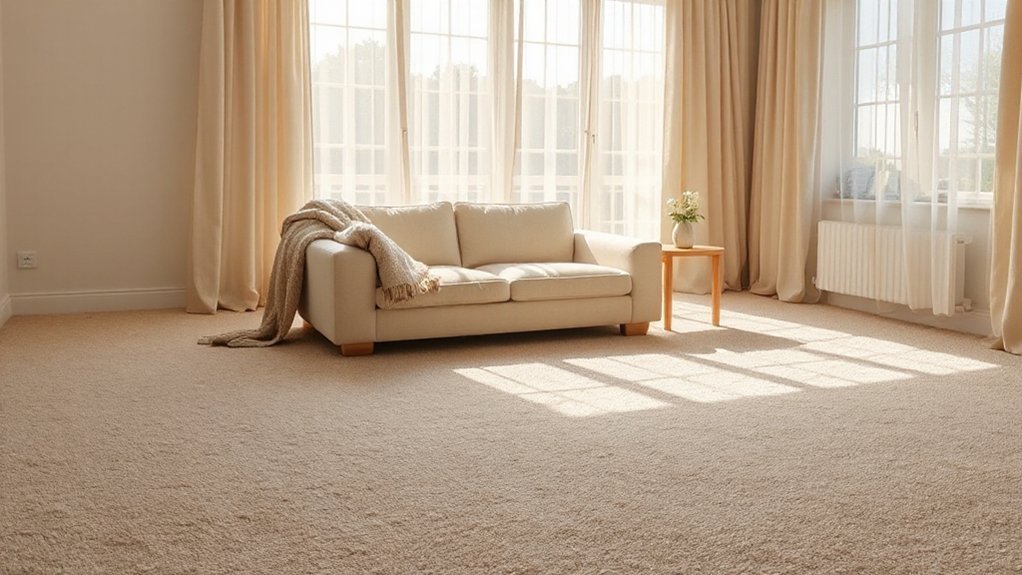
If you want a quieter room, you’ll find carpet helps by absorbing airborne sound and dampening footfall compared with harder flooring. You also gain plush warmth underfoot, which can support comfort in UK homes, particularly in bedrooms and living areas. Next, you’ll consider pile type, underlay, and fit quality, because these factors largely determine both acoustic performance and the relaxing feel.
Sound-Absorbing Soft Surface
How do you turn a busy room into a calmer, quieter space without major renovation? You choose carpet as a sound-absorbing soft surface that reduces reflected noise and shortens reverberation. In UK homes with hard floors, everyday sounds—footfalls, voices, chair movement—often bounce and build. Carpet’s fibrous pile traps airborne sound and damps impact transmission, so you’ll notice less echo and fewer sharp peaks. For best results, you’ll combine flooring with targeted treatments such as Acoustic panels and Soundproof curtains, especially in open-plan living areas. Picture the change:
- Softer footsteps along hallways and stairs
- Clearer conversation in lounges without raised voices
- Reduced clatter from dining chairs and dropped items
You’ll achieve quieter comfort with measurable acoustic improvement.
Plush Warmth Underfoot
While hard flooring can feel cold and clinical in many UK homes, carpet adds plush warmth underfoot that supports relaxation and everyday comfort. You’ll notice less thermal shock when you step out of bed, and that steadier warmth can reduce perceived draughtiness in older properties. Carpet’s soft fibers trap air, improving insulation and helping you maintain a comfortable floor surface temperature with lower heating demand.You can also use cozy textures to cue rest: deeper piles feel cushioned, while dense low piles provide support without stiffness. If you’re managing allergies, you’ll still benefit by choosing low-shed, easily vacuumed options and maintaining regular cleaning, as guidance from UK health bodies emphasises controlling dust. With the right underlay, you’ll feel quieter, warmer, and more settled each day.
Wood: Calming Flooring With Natural Warmth
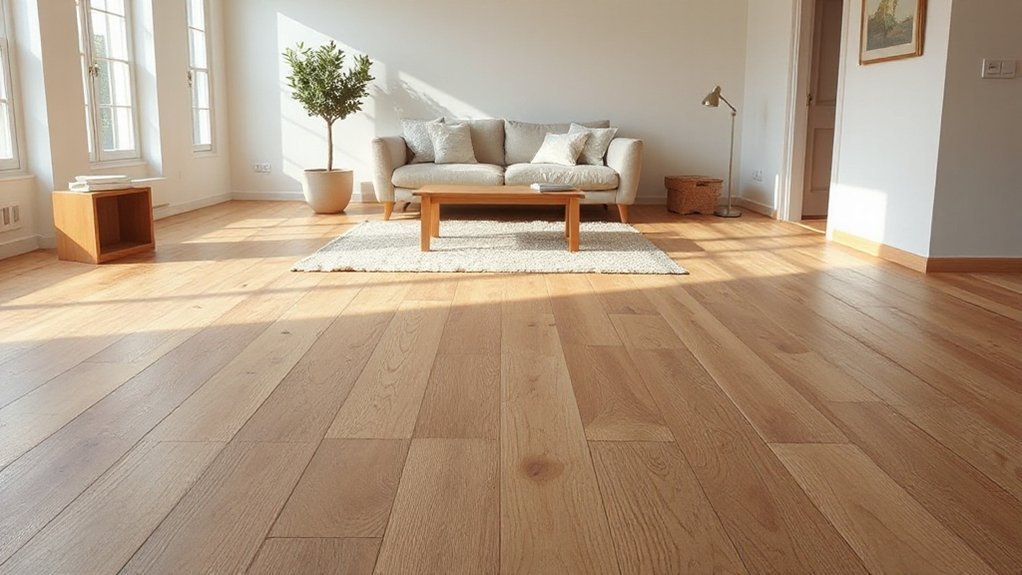
Because natural materials tend to reduce visual clutter and soften acoustics, wood flooring often makes a room feel calmer and more welcoming. In UK homes, timber’s low-gloss grain provides Natural textures that read as orderly, while its moderate sound absorption can reduce perceived echo compared with tile. You’ll also feel warmer underfoot because wood has lower thermal conductivity than stone.
- Choose pale oak or ash to brighten a north-facing room without glare.
- Specify wide boards with a matte oil finish to minimise reflections and highlight grain.
- Select FSC- or PEFC-certified Sustainable materials, and pair them with felt pads to limit impact noise.
You’ll maintain the relaxed effect by cleaning with pH-neutral products and keeping indoor humidity stable. That prevents gaps and squeaks over time.
Cork: Soft, Quiet, Eco-Friendly Flooring
If you want a more relaxed room in the UK, you’ll find cork flooring gives natural cushioning underfoot, which can reduce perceived hardness and support comfort during long periods of standing. You’ll also benefit from cork’s cellular structure, which helps dampen impact sound and can make footsteps and everyday movement seem quieter. Together, these properties can improve day-to-day comfort and help your space feel calmer without relying on textiles alone.
Natural Cushion Underfoot
How can a floor feel noticeably softer without sacrificing practicality? Choose cork for a natural cushion underfoot: its cellular structure compresses and rebounds, so you’ll feel less impact during long periods of standing, according to materials testing commonly cited in UK building guidance. You’ll also benefit from Eco friendly textures that suit low‑VOC, home-focused specifications.
You can create Visual calming effects by pairing cork’s warm, matte grain with muted paint and natural light. Picture it in your space:
- A pale cork floor in a London flat, easing foot fatigue in the kitchen.
- A sealed cork surface in a hallway, resisting everyday scuffs and spills.
- A cork bedroom floor in a family home, staying comfortable through cooler UK mornings.
Sound-Dampening Comfort
Although hard surfaces often amplify everyday noise, cork helps you keep rooms noticeably quieter by absorbing footfall and reducing impact sound transmission through the floor. Its cellular structure traps air, so you’ll hear less clatter from shoes, chairs, and children’s play, which supports calmer home working and better sleep. In UK flats, where separating floors can be limited, cork underlay can complement building measures and improve perceived privacy. You’ll also feel softer, warmer support underfoot, reducing fatigue when you stand for long periods. Pair cork with Acoustic panels to address echoes, and use Ambient lighting to avoid the overstimulating glare that often heightens noise sensitivity. Choose FSC-certified cork and low-VOC finishes to keep indoor air healthier and comfort consistent year-round.
Vinyl: Low-Stress, Easy-Care Calming Flooring
Because modern vinyl flooring combines resilient surfaces with simple maintenance routines, it supports a calmer, lower-effort home environment. In UK homes, you’ll benefit from Vinyl durability and vinyl affordability without sacrificing a composed look. Its wear layers resist scuffs from shoes and pets, helping you avoid frequent repairs and the stress of visible damage. Moisture resistance also reduces worry in busy kitchens or hallways, where spills are common.
- Choose muted wood or stone-effect planks to keep visual noise low.
- Use felt pads and a soft underlay to maintain quiet, steady footfall.
- Clean with a pH-neutral solution and a microfibre mop for quick, predictable results.
You’ll also find many products meet UK indoor air standards, supporting healthier, more restful rooms.
Tile: Relaxing Flooring for Cool, Clean Spaces
Vinyl keeps upkeep simple, and tile offers an even cleaner-feeling surface with a naturally cool underfoot finish that suits many UK kitchens, bathrooms, and entranceways. You’ll reduce allergens because fired ceramic and porcelain don’t trap dust or odours, and you can disinfect quickly, supporting calmer, hygienic routines. Choose grout with mould-resistant additives and specify a sealed finish to limit staining in wet zones.
For relaxation, you should prioritise slip resistant surfaces, especially in family bathrooms and high-traffic halls where condensation is common. Porcelain tiles with an appropriate R-rating help you maintain sure footing without compromising a refined look. If you want visual calm, select large-format neutrals; for controlled detail, use a Decorative mosaic as a border or niche to guide the eye without clutter.
Warm Up Hard Flooring (Rugs, Pads, Radiant Heat)
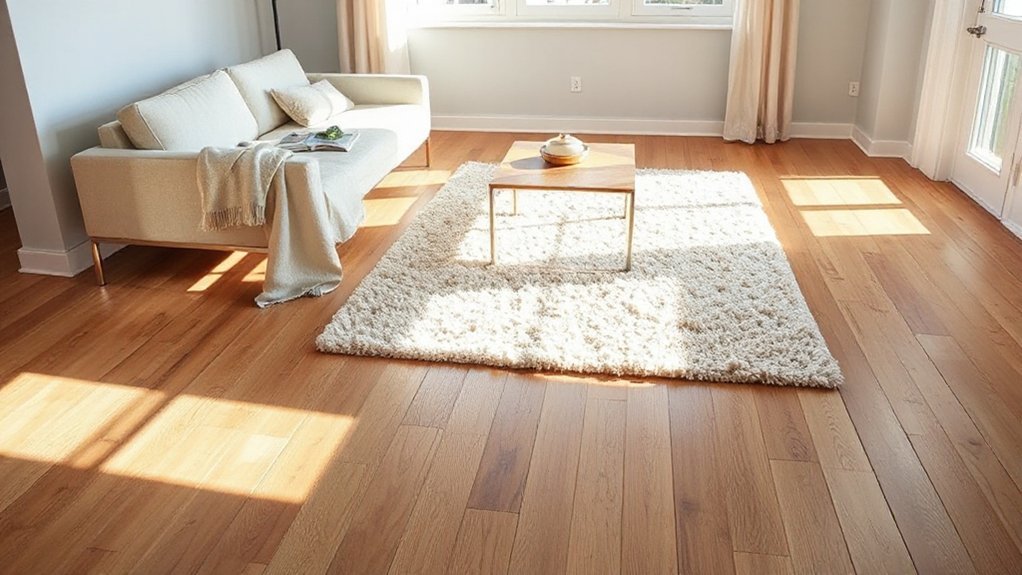
If your hard flooring feels cool underfoot, you can improve comfort and perceived warmth by layering area rugs and adding a cushioned rug pad to reduce heat loss and footfall noise. For a more consistent result, you can install radiant floor heating, which UK guidance and field evidence associate with even heat distribution and improved thermal comfort at lower air temperatures. You’ll get the best outcome when you match rug materials, pad thickness, and heating controls to the room’s use and insulation levels.
Layered Area Rugs
While hard flooring keeps rooms looking crisp and easy to maintain, it can feel noticeably colder underfoot in many UK homes, particularly in older properties with suspended timber floors or limited insulation. You can moderate that sensation quickly with layered rugs, which add a still, insulating air layer and reduce perceived draughtiness at floor level. Choose wool or dense flatweaves for reliable thermal comfort and durability in typical British living rooms.
- Place a large neutral rug to define the seating zone and visually “soften” boards or tile.
- Add a smaller patterned rug at an angle to introduce textured accents and calm visual rhythm.
- Use a runner in circulation routes to reduce step-to-step chill and quieten footfall.
Keep edges neat and sizes proportional so the room feels settled, not cluttered.
Cushioned Rug Pads
How can you make hard floors feel warmer without changing the flooring itself? Add cushioned rug pads beneath your rugs to improve insulation and comfort underfoot. A quality pad reduces heat loss through conduction and creates a softer surface, which can lower perceived room “coolness” in UK homes with timber, laminate, or tile floors.
You’ll also gain practical benefits: pads limit rug creep, reduce trip risk, and protect finishes from abrasion—useful in high-traffic hallways and open-plan living spaces. Choose felt or rubber-felt blends for stability; select thickness to suit door clearances and avoid overly springy pile. Confirm the pad is compatible with your floor type and any manufacturer guidance. With the right sizing and placement, cushioned rug pads become discreet, cosy interior accents that support a calmer, more settled room.
Radiant Floor Heating
Cushioned rug pads improve comfort at the surface, but radiant floor heating tackles the underlying cause of cold-feeling hard floors by warming the floor structure itself. In UK homes, this can reduce perceived draughtiness and help you maintain comfort at lower air temperatures, supporting relaxed living with fewer hotspots than radiators. You’ll also keep clean lines for calm, uncluttered rooms.
- Step onto warm porcelain tiles after a shower, without the shock of chill.
- Sit on timber flooring for stretches or playtime, with steady radiant heat rising evenly.
- Layer a breathable rug over engineered boards to preserve warmth and create a cozy ambiance.
Specify correct insulation, thermostatic zoning, and compatible floor finishes to maximise performance and control.
Choose Low-Glare Finishes for Calmer Floors
Because bright, reflective floors can amplify visual noise and strain, choosing a low-glare finish helps create a calmer room. You’ll notice less distraction as light from UK windows and LED downlights scatters instead of bouncing sharply, supporting glare reduction and visual comfort.
You can prioritise matte finishes on timber, LVT, laminate, or sealed concrete, as they typically lower specular reflection compared with high-gloss lacquers. When you specify products, look for manufacturer data on sheen level (often described in “matt” or “silk” ranges) and ask your installer about compatible sealers and maintenance. You’ll also benefit in multi-use spaces, where screens and task lighting otherwise create hotspots across the floor. Choose durable, cleanable low-sheen coatings so calm doesn’t come at the cost of upkeep.
Simple Flooring Patterns That Feel Less Busy
Although you might like the character of patterned floors, simpler layouts typically reduce visual complexity and help a room feel more settled, particularly under the mixed daylight and ceiling lighting common in UK homes. When you minimise pattern complexity, your eyes track fewer edges and repeats, which can lower perceived busyness and support relaxation. You’ll also benefit from moderate Color contrast: high-contrast motifs can flicker visually as you move through the space, especially in compact terraces and flats. Prefer consistent plank direction and longer runs to make rooms read calmer and larger. Consider these low-noise options:
- Straight-laid boards in pale oak or ash tones
- Large-format, mid-tone tiles with tight grout lines
- Subtle herringbone in near-matching shades, used sparingly
Frequently Asked Questions
How Often Should Relaxing Flooring Be Professionally Cleaned to Stay Soothing?
You should schedule professional cleaning frequency every 6–12 months, or every 3–6 months in high-traffic UK homes. You’ll keep it soothing by following maintenance tips: vacuum weekly, treat spills promptly, and use manufacturer-approved products.
What Is the Most Relaxing Flooring Choice for Allergy-Sensitive Households?
Choose hard, sealed flooring like luxury vinyl or ceramic tile; it’s a breath of fresh start for allergies. You’ll reduce dust mites and dander, prefer Eco friendly materials, and add underlay for Acoustic insulation.
Can Relaxing Flooring Increase Home Resale Value or Buyer Appeal?
Yes, you can boost UK buyer appeal and resale value with calming, durable floors; agents report low-maintenance finishes sell. Choose luxury vinyl for practicality and bamboo flooring for sustainability; both photograph well and reassure allergy-aware buyers.
How Do I Choose Relaxing Flooring That’s Safe for Pets’ Nails?
Choose nail resistant surfaces like LVT, engineered wood with tough lacquer, or ceramic tile. Prioritise pet friendly textures with slip resistance. You’ll reduce scratching by trimming nails, using mats, and avoiding soft pine.
What Flooring Options Feel Relaxing While Staying Within a Tight Budget?
You can choose budget vinyl, laminate, or carpet tiles; you can prioritise quiet underfoot. Evidence supports muted Color coordination and modest Texture variety. In the UK, compare LVT offcuts and clearance underlay; you’ll save.
Conclusion
When you choose flooring with clear priorities—warmth, whisper-quiet acoustics, and soft support—you make your room feel markedly more relaxed. In UK homes, calmer colours, low-glare finishes, and simple patterns reduce visual strain, while tactile textures and well-placed rugs buffer footsteps and echo. Where tile suits cool, clean spaces, you can still soften it with underlay or radiant heat. You’ll feel the difference: serene, subtle, soothing surfaces that settle you.