
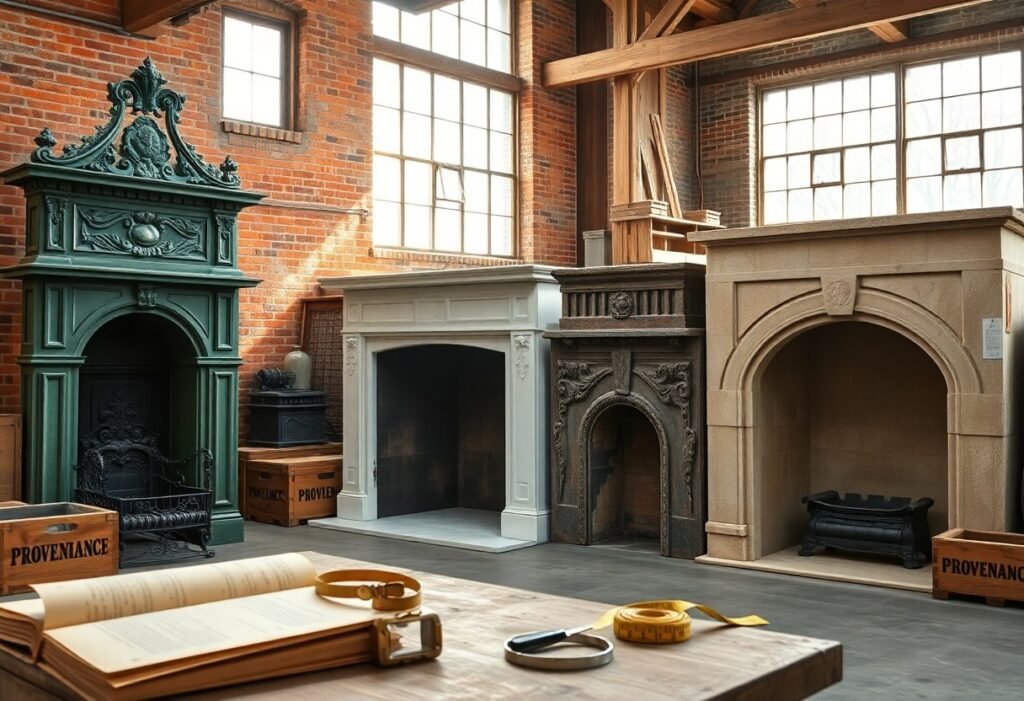
Many homeowners seeking character and timeless appeal turn to authentic antique fireplaces to anchor their interiors. You gain more than a focal point-you inherit craftsmanship, era-specific details, and a story etched in stone, cast iron, or tile. Sourcing these pieces demands attention to provenance, condition, and period accuracy.
The Scavenger’s Art
You learn to spot a genuine Georgian fireplace not by grandeur, but by the wear on its carved acanthus leaves-subtle clues only time can create. Patience becomes your compass in salvage yards and estate sales, where one chipped tile might reveal a century-old secret. Trust your eye, not the label. Authenticity hides in dust, not displays.
The Soul of the Stone
Material Memory
You feel it the moment you run your fingers along the carved lintel-each groove tells a story older than memory. Stone from 18th-century English quarries carries the weight of centuries, shaped by hands long gone yet still speaking through form and texture. This isn’t mere material; it’s legacy in limestone, slate, and marble.
Harmonizing the Ages
You blend centuries when you place an antique fireplace in a modern room. The patina of aged cast iron or hand-carved stone speaks of craftsmanship long forgotten, yet its presence feels current. Your design choices frame history without replicating it. Balance emerges not from matching eras, but from respecting the dialogue between them.
The Preservation of Grace
You honor more than architecture when you restore an antique fireplace-each mantel, tile, and grate carries the quiet elegance of centuries past. Craftsmen once shaped these pieces with patience and purpose, embedding artistry into everyday function. Your choice to preserve one keeps that intention alive, blending historical integrity with modern living in a way only authentic pieces can.
Summing up
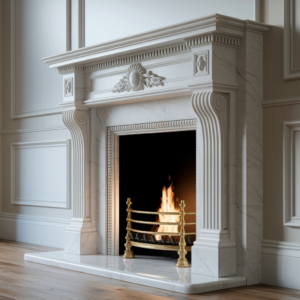
From above, you see that sourcing authentic antique fireplaces blends historical integrity with design intent. You choose pieces that carry age, craftsmanship, and character, anchoring your space in genuine heritage. Each fireplace tells a story, and you bring that narrative into modern living through careful selection, restoration, and placement.
FAQ
Q: How can I verify the authenticity of an antique fireplace before purchasing?
A: Authenticity is confirmed through close inspection of materials, craftsmanship, and historical markers. Look for hand-carved details in wood or stone, irregularities in cast iron or ceramic tiles, and signs of age like patina or wear consistent with the piece’s era. Original firebacks often bear manufacturer stamps or regional identifiers from the 18th or 19th century. Consulting a specialist or obtaining a provenance document-such as old photographs, estate records, or restoration reports-adds credibility. Reputable dealers provide detailed descriptions and allow in-person or video inspections to assess condition and origin.
Q: Where are the best places to source authentic antique fireplaces?
A: Historic salvage yards, architectural antique dealers, and estate auctions are reliable sources for genuine pieces. Regions with rich architectural histories-like England, France, and parts of Italy-often have specialized suppliers restoring period homes and selling original fixtures. Online marketplaces dedicated to antiques and heritage building materials can offer access to rare finds, but require careful vetting. Architectural salvage fairs and restoration expos also connect buyers directly with curators who specialize in period fireplaces from Georgian, Victorian, or Art Nouveau eras.
Q: Can an antique fireplace be used safely in a modern home?
A: Yes, with proper restoration and compliance with current safety standards. A qualified technician should inspect the flue, chimney, and hearth to ensure they meet local building codes. Cast iron or brick surrounds may need structural reinforcement, and open fireboxes can be fitted with approved gas inserts or glass screens to reduce emissions and fire risk. If the original mantel is fragile, it can be preserved while integrating a working insert behind it. Many homeowners choose to retain the aesthetic of the antique while adapting the functionality for safe, everyday use.