

Key Takeaways:
You gotta do your homework when picking an estate agent – it’s not just about who’s closest. The article really hammers home that you need to compare agents based on solid data: how often they actually get the asking price, how fast they sell homes, and their overall success rate. There are tools out there, that let you look up this stuff for local agents, and honestly, using those to narrow down your choices to a shortlist of at least three is just smart.
Don’t let an agent sweet-talk you with an inflated valuation, because that’s a classic trick to get your business only to suggest dropping the price later. It’s so important to scrutinize their track record on achieving asking price. A good agent might charge a bit more in commission, but if they sell your house for thousands more, you’re actually better off than going with a cheaper agent who gets you a lower sale price.
Always remember, the estate agent works for *you*, not the other way around. This means you should feel good about the process, and you absolutely have the right to ask tough questions about their marketing strategy, how often they’ll communicate, and what their fees cover. Get everything in writing, understand their contract terms – especially around exclusivity periods – and don’t be afraid to walk away if it doesn’t feel right.
How To Choose The Best Estate Agent Our Guide
The quick rundown on picking a winner
You’re trying to sell your home, right? Finding the best estate agent is about getting the best price.
The whole process summarized for you
Finding the right agent means comparing their performance. Look at their success rate, how fast they sell, and their track record on asking price.
Why you shouldn’t overthink the first step
Seriously, don’t get hung up on the initial search. It’s easy to feel overwhelmed, but the goal is just to get a good starting list.
Many people freeze up at the beginning, worrying about making the “perfect” choice right away. But you’re not committing to anything just yet. The first step is simply about gathering some promising candidates. You’ll refine your options later, so don’t let perfection be the enemy of progress here. Just get a few names down.
My honest advice on starting your search
Start by comparing agents using actual performance data. Don’t just pick the first name you see. If you want to buy in Sydenham, then estate agents in Sydenham are who to speak to.
You might feel tempted to go with a familiar name or a friend’s recommendation, and that’s fine as a starting point. However, always back that up with hard data. The numbers don’t lie about an agent’s effectiveness. You want someone who consistently performs, not just someone with a flashy advert. Comparing performance metrics is the most objective way to begin your selection process.
How do I actually find the best agent nearby?
Finding the right estate agent can truly make all the difference, affecting both how fast your home sells and the final price you get. The best agents don’t just secure a good price; they’re also working hard behind the scenes, pushing your sale through to completion.
Why the biggest office isn’t always the best
Don’t just go for the biggest name on the high street. Sometimes, smaller, more focused agencies offer a more personal, dedicated service.
A large, busy office might have lots of listings, but that doesn’t always mean they’ll prioritize your property. You want an agent who has the time and enthusiasm to really push your sale, not someone juggling too many clients. A smaller, local firm might have a deeper understanding of your specific neighborhood, too.
Scouring the neighborhood for a real winner
Look for signs of activity in your area – are certain agents selling lots of properties quickly? This can be a huge indicator of their effectiveness.
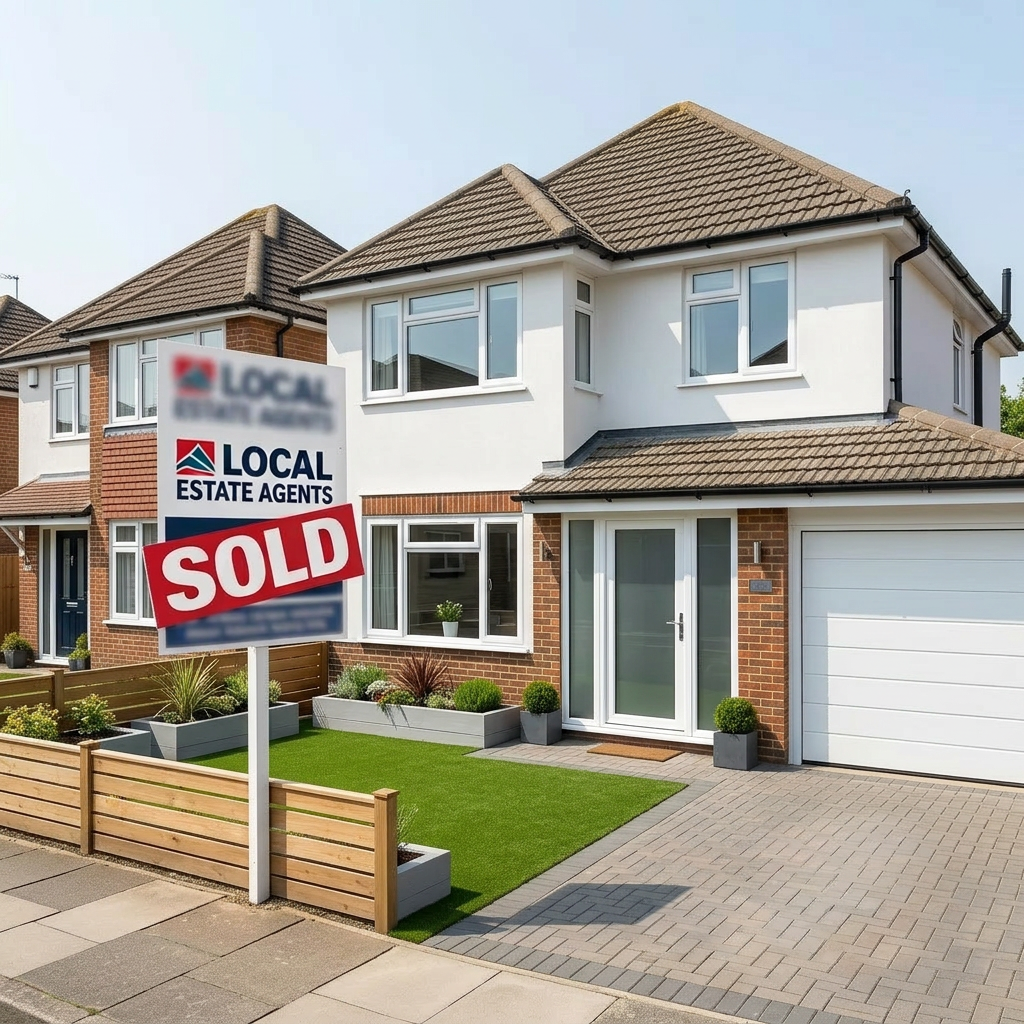
Keep an eye on ‘sold’ boards in your area. Which agents consistently have them up? And how quickly do those boards change from ‘for sale’ to ‘sold’? This kind of anecdotal evidence, combined with data, gives you a well-rounded picture of who the top performers are.
Why you’ve gotta meet at least three agents
You really should invite at least three shortlisted estate agents to your home. This gives you a chance to compare their offers and valuations firsthand. It’s your opportunity to get a feel for them and how they’d handle your sale.
Questions that’ll make any agent sweat
Asking the right questions can reveal a lot. You want to know their success rate, how quickly they sell properties, and their track record on achieving asking price. Don’t hold back; make them work for your business.
My 6 top tips for finding a real pro
Finding a top-notch estate agent involves checking their local success, how fast they sell, and their asking price performance. You’re looking for someone with a proven track record. After all, you want the best possible outcome for your sale.
Seriously, finding the right agent is all about doing your homework. Look beyond just the flashy signs. You need to dig into their actual performance data – how often do they sell homes like yours? And for how much? See if they genuinely understand your local market and have a strategy, not just a sales pitch. After comparing these key metrics, you’ll be much better equipped to pick a real winner.
Why the first person you meet isn’t always “the one”
It’s tempting to go with the first agent who makes a good impression. But trust me, you need to resist that urge. Comparing multiple agents is how you truly find the best fit for your property.
Just like dating, the first person you meet might seem great, but you don’t know what else is out there until you look. Different agents bring different strengths, marketing approaches, and fee structures to the table. You owe it to yourself and your property to explore your options thoroughly. After all, this is a significant financial decision, and you want to ensure you’re getting the absolute best representation.
How To Choose The Best Local Estate Agent
The real deal on those sneaky valuations
Valuations can be a real minefield, right? Some agents will give you a ridiculously high number just to get their foot in the door. Then, after a few weeks of no interest, they’ll suggest dropping the price. You need to be savvy about this.
Why you should be wary of the highest number
That highest valuation might sound tempting, but it’s often a trap. It usually means the agent is overvaluing your home to win your business, not to sell your house effectively.
How agents use big valuations to trick you
Agents often use a tactic called “buying the listing” by giving you an inflated valuation. They know a higher number is attractive, and they’re betting you’ll choose them over a more realistic agent.
This strategy often leads to stagnant listings and eventual price reductions. You end up wasting precious time on the market, potentially losing momentum and even deterring genuine buyers who see a property sitting too long. It’s a frustrating cycle that costs you both time and money.
Getting a price that’ll actually get the house sold
You want a valuation that’s realistic and based on actual market data. This ensures your property is priced competitively from day one, attracting the right buyers quickly.
A truly good agent will show you comparable sales in your area and explain their valuation strategy thoroughly. They focus on securing a quick and successful sale at a fair market price, not just winning your instruction with an unrealistic promise. This approach ultimately benefits you the most.
Let’s talk money: what’s this going to cost?
You’ve done your homework on agent performance and now it’s time to consider the financial side. Estate agent fees vary quite a bit, so understanding the charges upfront is key to avoiding any nasty surprises later. This isn’t just about the cheapest price, but the best value for your sale.
Understanding the fee structure without the headache
Most estate agents charge a percentage of your final selling price, typically between 0.9%-3.6% (including VAT). This means if they don’t sell your house, you usually don’t pay. Knowing this percentage and what it covers is your first step.
Can you actually negotiate a better rate?
Absolutely, you can! Many sellers don’t realize that estate agent fees are often negotiable. You should always try to haggle, especially if you’re comparing multiple agents. Aim for around 1.2% incl VAT for a sole agency contract.
You might be surprised how much wiggle room there is, particularly for higher-value properties over £500,000, where agents are often willing to drop below 1.2%. Just remember, getting your shortlisted agents to compete on cost can lead to a better deal for you.
Watching out for those annoying hidden extras
Always ask for a full breakdown of all potential costs. Some agents might charge extra for things like professional photography, floor plans, or even accompanied viewings. You want to be sure you’re getting a clear, all-inclusive quote.
Make sure all fees are advertised inclusive of VAT. It’s always smart to double-check with your estate agent that there are no additional charges lurking in the small print. You don’t want a surprise bill for something you thought was included.
How To Choose A Good Estate Agent
What makes a good agent honestly stand out?
The best agents don’t just talk a good game; they back it up with results. You want someone who is proactive, enthusiastic, and has a proven track record of selling homes quickly and for the asking price. It’s about data, not just promises.
Communication skills that won’t drive you crazy
You need an agent who actually communicates. Look for someone who provides regular updates and is easy to reach. Good communication means you’re never left wondering what’s happening with your sale.
The “secret sauce” of a top-tier seller
A top-tier agent possesses a certain “secret sauce” – they’re genuinely enthusiastic about your property. This positivity will shine through and directly impact how potential buyers perceive your home.
This enthusiasm isn’t just about being friendly, it’s about believing in your home’s value and being able to convey that to others. When an agent truly loves your property, they’ll market it with a passion that sets them apart, often leading to a quicker and more profitable sale for you. It’s an intangible quality that makes a huge difference.
Why honesty is worth more than a flashy suit
Honesty, above all, is non-negotiable. A trustworthy agent won’t overvalue your home just to get your business, only to suggest price reductions later. They’ll give you a realistic valuation from the start.
An honest agent builds trust, which is invaluable throughout the selling process. They’ll provide transparent feedback, manage your expectations realistically, and avoid playing games with pricing. This integrity often translates into a smoother, less stressful experience and ultimately, a better outcome for your sale, even if their initial valuation isn’t the highest you hear.
How To Choose Proactive Estate Agents
Is their marketing strategy actually any good?
When you’re trying to find the best estate agent, you really need to dig into their marketing strategy. It’s not just about slapping up a sign; you want to see a clear, detailed plan for getting your property in front of the right buyers. A good agent will walk you through exactly how they’ll make your home stand out in today’s market.
Is a “For Sale” sign really enough these days?
Honestly, just a “For Sale” sign isn’t going to cut it anymore. You need an agent with a multi-channel approach that reaches buyers everywhere they’re looking. Ask them about their online presence and social media plans.
Making sure your listing doesn’t look like a mess
Your property’s online listing is the first impression for most buyers. So, you want to see professional photos and a compelling description. A messy or poorly presented listing will absolutely deter potential buyers.
A good agent understands the power of presentation. They’ll ensure high-quality photography, perhaps even drone shots or virtual tours, and craft engaging descriptions that highlight your home’s unique selling points. This attention to detail isn’t just nice-to-have; it’s absolutely necessary for grabbing attention in a crowded market and getting those all-important viewings lined up.
Where the buyers are actually looking for homes
You need to know your agent is advertising where buyers are actively searching. Are they on the major property portals? What about local channels or their own website? Visibility is everything.
It’s one thing to have a great listing, but it’s another to ensure it’s seen by the right people. Ask prospective agents about their reach on popular property websites like Rightmove and Zoopla, and whether they utilize social media advertising or targeted email campaigns. The best agents aren’t just putting your home out there; they’re strategically placing it where it will get the most qualified attention.
Sole or multiple agents: what’s the move?
You’ve shortlisted your agents, but now you’ve got to consider how many to actually hire. This decision can seriously impact your selling experience and final price. So, will it be one dedicated agent, or a team of them?
The pros and cons of sticking with just one
Deciding on a single agent means a simpler process, but it also comes with its own set of risks and rewards you should know about.
| Pros | Cons |
|---|---|
| One point of contact for clear communication. | Less market exposure for your property. |
| Agent is more personally invested in your sale. | Relies heavily on one agent’s network. |
| Potentially lower commission fees if negotiated well. | Slower sale if the agent isn’t performing. |
| Reduced risk of double commission payments. | Limited competition among agents to sell your home. |
| Easier to manage feedback and viewings. | Your property might become stale on the market. |
Why having a team of agents might backfire
While more agents might seem like more exposure, it can sometimes lead to confusion and a less focused effort on your property. You could end up with a messy situation.
Having multiple agents can introduce a bit of a chaotic element to your sale. Each agent might be trying to prove they’re the one making the sale, potentially leading to inconsistent pricing or conflicting advice. It’s like having too many cooks in the kitchen – the broth often gets spoiled. You might find yourself managing several different communication threads, and it can be hard to tell who’s actually putting in the most effective work. Plus, there’s always the risk of paying double commission if not handled carefully in your contracts, which is a headache nobody wants.
My take on which strategy wins every time
After years in this business, I’ve seen firsthand that a sole agency agreement with the right agent is usually the winning ticket. It creates focus and dedication.
When you choose a single, high-performing agent, they become truly invested in selling your property for the best price. They know they’re the only ones who’ll earn that commission, so their motivation is sky-high. This often translates into more proactive marketing, better negotiation, and a smoother overall experience for you. You get a dedicated advocate, someone who understands your property inside and out and can present it consistently to potential buyers. It’s about quality over quantity, every single time.
Other Considerations
Don’t get caught in these common contract traps
Estate agent contracts can be a minefield, so you need to be really careful. You’ll want to understand all the terms before you sign anything, especially around fees and notice periods. Don’t rush it!
Spotting the sneaky stuff in the fine print
You might find hidden clauses about withdrawal fees or extended exclusivity periods. Always look for details that tie you in longer or cost you more if you change your mind.
How to make sure you’re getting the best service
Good communication is non-negotiable! You should expect regular updates and prompt responses. Make sure they’re actively marketing your property.
Are they actually calling potential buyers, or just waiting for enquiries? A truly proactive agent will be chasing leads and providing consistent feedback after viewings. You want to feel like they’re working hard for you, not just putting your property on a portal and forgetting about it.
Why you shouldn’t just sign on the dotted line
Signing without reading means you could be agreeing to unfavorable terms like long exclusivity periods or high withdrawal fees. Always take your time.
You wouldn’t buy a car without reading the specs, right? So don’t commit to an agent without fully understanding their contract. It’s your money and your home on the line, so protecting yourself from unexpected costs or restrictive clauses is just smart business.
Online agents: are they actually worth it?
Thinking about an online agent? They often promise lower fees, but you’re usually paying a fixed amount up-front, regardless of whether your property sells. It’s a different ball game compared to the traditional “no sale, no fee” model.
Can you really save that much money going digital?
You might see online agent fees advertised for less than £100, which sounds amazing, right? But these cheaper packages often mean you’re doing most of the legwork yourself, and extras like accompanied viewings will cost you more.
What you’re missing out on by skipping the high street
Going purely online means you’re generally missing that personal, hands-on touch. There’s no local expert dropping by regularly, chatting with potential buyers face-to-face, or really getting to grips with your specific property’s quirks.
You won’t have a dedicated local agent who knows the market inside out, someone who can proactively chase leads and really sell the dream of living in your home and neighbourhood. That local connection and the personal rapport with buyers can make a huge difference in securing the best price.
The real deal on the “hybrid” agent model
Hybrid agents try to offer a mix, blending online convenience with some in-person support. They often have online tools for tracking, but the level of actual agent involvement can vary wildly.
You need to really dig into what a “hybrid” package includes. Are they just an online platform with a helpline, or do they offer genuine local agent support for things like viewings and negotiations? Don’t assume you’re getting the best of both worlds without checking the fine print.

Time To Consider Switching Agent?
Need a quick sale or a fresh start?
Sometimes, you just need a swift exit. Whether it’s a new job, a family change, or just a desire for something different, a quick sale can be a real lifeline. You’ll want an agent who understands your urgency.
What’s the best route for a super fast sale?
Considering a cash buyer might be your fastest option. These companies offer quick sales, often completing in 7-28 days, but they’ll typically pay less than the open market value.
When is it time to ditch your current agent?
Feeling frustrated with your current agent is a big sign. Are viewings non-existent? Is communication a struggle? If they’re not performing, it might be time for a change.
Before you jump ship, you absolutely must check your contract. You might still be in an exclusivity period, meaning you can’t switch agents just yet without potential penalties. Knowing your contract terms is the first step to a smooth transition.
How to switch agents without the massive headache
Switching agents can feel daunting, but it doesn’t have to be. First, understand your existing contract’s notice period and any clauses. Then, ensure your new agent knows your situation to avoid paying two commissions.
Planning ahead is your best friend here. Make sure you understand the terms of your current contract and specifically look for any clauses that might lead to double commission if you switch. A good new agent will help you navigate this, ensuring a seamless handover.
To wrap up
Presently, you’ve seen that picking the right estate agent isn’t just about who charges the least. You really need to look at their track record – how quickly they sell homes, how close they get to the asking price, and how successful they are overall. It’s your property, your money, so you want someone who genuinely works for you. Do your homework, ask the right questions, and trust your gut feeling; that’s how you’ll find an agent who truly delivers.
Q: How can I really tell if an estate agent is worth their salt before signing anything?
A: Look, it’s easy to get swept up by a good sales pitch, right? But you want actual results, not just promises. What I always tell people is to start by checking their track record. Discover how quickly agents in your area sell homes, how close they get to the asking price, and their overall success rate. That’s real data, not just what they’re telling you in your living room.
And when they come to your house, pay attention to their vibe. Are they genuinely excited about your place, pointing out its best features, or do they just seem to be going through the motions? A good agent will make you feel like your property is unique, not just another listing. Ask them about specific marketing ideas for your home – not just generic stuff. You’ll get a real sense of their enthusiasm and expertise.
Q: What’s the deal with estate agents overvaluing my house? It feels like some just want to get their foot in the door.
A: Oh, you hit the nail on the head there! This is a classic trick, and it’s super frustrating. Some agents will tell you a sky-high price just to win your business, making you think your home is worth more than it really is. Then, a few weeks later, when there’s no interest, they’ll suggest dropping the price. It’s a waste of your time and can make your property look stale on the market.
Here’s how to deal with it: get valuations from at least three different agents. Compare those figures, but don’t just go with the highest. If an agent consistently lists properties high but sells them for much less, that’s a red flag. You want an agent who gives you a realistic, achievable price from the start – one that reflects the market and gets you a quick, fair sale.
Q: Is it really worth paying a higher fee for a ‘top’ agent, or should I just go for the cheapest option?
A: This is a question everyone asks, and it’s a big one. My answer? Don’t just chase the lowest fee. Seriously, it can cost you more in the long run. Imagine this: one agent charges 1.42% and sells your £300,000 house for the full £300,000. You pay about £4,250 in commission. Another agent charges a ‘cheaper’ fee, or even no fee up front, but they only manage to sell your house for 98% of the asking price – that’s £294,000.
See the difference? You’ve just lost £6,000 on the sale price with the cheaper agent. Even with their lower fee, you’re still worse off by thousands. A top-performing agent who gets you a better sale price can easily pay for their commission and then some. Focus on the net amount you walk away with, not just the percentage they charge. Negotiate the fee, sure, but prioritize their ability to get you the best possible price.
Q: What are some specific questions I should ask agents when they come to my home for a valuation?
A: Okay, so they’re in your house, they’ve done their walk-through, and now it’s your turn to grill them a bit. Don’t be shy! Here are some key questions I’d definitely throw at them:
- “What’s your exact marketing plan for my property? Are we talking professional photos, floor plans, virtual tours? And which property portals will it be on?”
- “How often do you communicate with sellers? Will I get regular updates, even if there’s nothing new, or do I have to chase you?”
- “What’s your strategy if the house doesn’t get much interest in the first couple of weeks? What’s your Plan B?”
- “Can you give me examples of similar properties you’ve sold recently in this area, and what prices they actually achieved versus their initial asking prices?”
- “What kind of contract are we looking at – sole agency or multi-agency? And what are the exclusivity periods and withdrawal fees?”
These questions really get into the nitty-gritty and help you understand their approach, not just their valuation.
Q: I’m feeling like my current estate agent isn’t doing a great job. When is it time to consider switching, and what do I need to watch out for?
A: It’s a horrible feeling when you think your agent isn’t performing, isn’t it? Maybe viewings have dried up, or you’re constantly chasing them for updates. If you’re feeling neglected or like they’ve lost enthusiasm, it’s definitely time to assess the situation.
Before you jump ship, you absolutely have to check your contract. This is crucial because you’ll likely have an exclusivity period, which means you can’t switch agents without potentially owing them a fee. If you’re still within that period, you might have to wait it out, but you can definitely start planning for when it ends. Also, be super careful about ‘double commission’ clauses – you don’t want to end up paying two agents if the buyer was introduced by the first agent, even if the sale completes with the second. Read our guide on switching agents for all the details, but the main takeaway is: know your contract inside out before making any moves!