
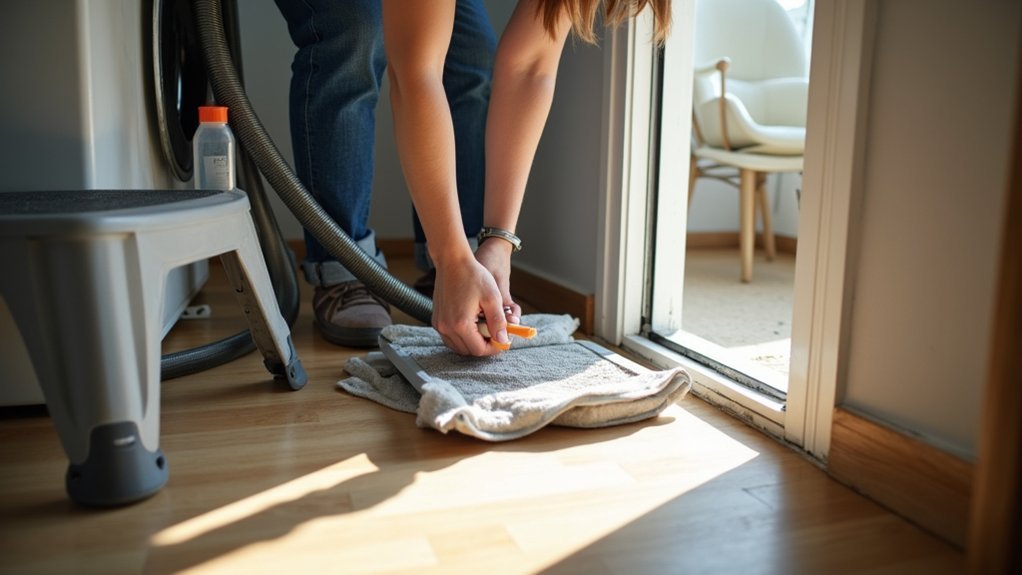
Most people forget the small checks that stop big UK repair bills: test smoke and CO alarms, then replace any 10‑year units; peek under sinks for drips and snug compression nuts; clear hair from shower traps and the kitchen waste; refresh tired bath and sink silicone after drying the area; swap your boiler/HVAC filter every 1–3 months and wipe vents; confirm extractor and cooker hood fans pull well; and clear gutters so water drains away—keep going to pick up extra fast wins.
Key Takeaways
- Test smoke and CO alarms monthly, replacing batteries as needed and units every 10 years.
- Check under sinks and around taps for drips, tightening fittings gently to stop leaks before cabinets warp.
- Clear hair and food debris from shower and sink traps to prevent slow drains and bad smells.
- Replace HVAC air filters every 1–3 months and vacuum vents to improve airflow and reduce dust buildup.
- Reseal cracked or peeling silicone around baths, showers, and splashbacks to block water ingress and mould.
10 Quick Home Maintenance Tasks (Start Here)
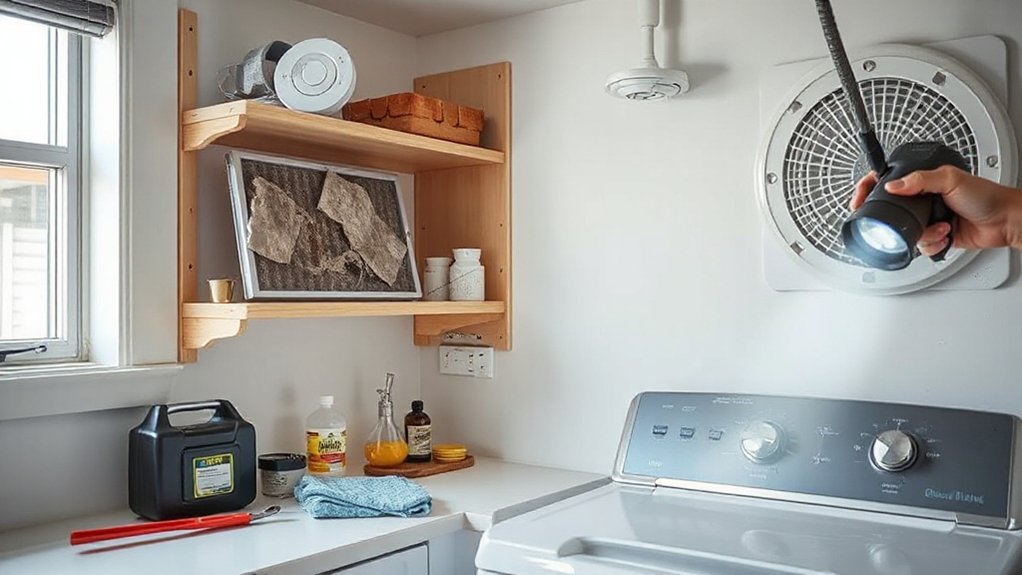
Even if you’ve only got half an hour, you can still tackle a few quick home maintenance jobs that prevent bigger (and pricier) problems later. Start with 10: 1) Test smoke and CO alarms. 2) Check under sinks for drips; nip leaks before they warp cabinets. 3) Reseal gaps around baths and splashbacks with fresh silicone. 4) Clear hair from shower traps and kitchen waste to stop slow drains. 5) Wipe window sills and look for mould; treat with anti-fungal spray. 6) Tighten loose door handles and hinges. 7) Bleed a cold radiator and top up pressure if needed. 8) Clear leaves from gullies and outside drains. 9) Set snap traps or refill bait stations for basic pest control. 10) Touch up scuffed skirting for quick home decor wins.
Quick HVAC and Air-Quality Wins (Filters, Vents, Fans)
Swap your HVAC air filter (or your boiler’s return-air filter, if fitted) to keep airflow steady and cut down on dust. Then vacuum your supply and extract vents and wipe fan blades and grilles so you’re not blowing grime back into the room. These quick jobs improve air quality fast and help your system run more efficiently.
Replace HVAC Air Filters
When did you last check your HVAC air filter? If it’s grey, clogged, or dated, change it now. A blocked filter makes your boiler’s fan work harder, increases running costs, and can worsen indoor air quality. For most UK homes, plan Air filter replacement every 1–3 months, or sooner if you’ve got pets, allergies, or you run the system daily.
Turn the unit off at the fused spur, slide out the old filter, and match the size printed on the frame (common sizes include 16x25x1). Fit the new one with the airflow arrow pointing towards the unit. Note the date on the edge, set a calendar reminder, and keep a spare for routine HVAC maintenance.
Clean Vents And Fans
Once you’ve fitted a clean filter, tackle the vents and fans that still collect dust and restrict airflow. Switch off power at the isolator, then vacuum grilles with a brush attachment and wipe with a damp microfibre cloth. For stubborn grease on kitchen vents, use warm soapy water and dry fully before refitting.
- Check bathroom and cooker hood fans pull air strongly; weak suction means lint buildup or a blocked external grille.
- Do basic exhaust fan maintenance: remove the cover, vacuum the impeller, and clear the back-draught flap.
- Inspect supply and return vents for black dust marks; seal gaps with foil tape to stop draughts.
- If you see heavy debris or musty odours, book professional Air duct cleaning—common in older UK houses with long runs.
Quick Kitchen Maintenance Tasks That Prevent Leaks
In the kitchen, you’ll stop most leaks by giving the plumbing a quick once-over before small drips turn into cupboard damage. Check the sink’s hot and cold supply lines for dampness, kinks, and loose compression nuts, and clean the dishwasher filter regularly so it drains properly instead of backing up. If the tap base wobbles or you spot gaps in the sealant, reseal the faucet and refresh the silicone caulk around the sink edge to keep water out of the worktop.
Check Sink Supply Lines
Ever wondered why a small drip under the sink can turn into a costly cabinet repair? Your supply lines sit out of sight, yet they’re under constant water pressure. Every few months, empty the cupboard, turn on the sink faucet, and watch the joints while you run hot and cold. Feel around the valves and connectors; even a slight dampness means trouble.
- Check braided hoses for fraying, kinks, or rust at the ferrules.
- Tighten compression nuts a quarter-turn; don’t overdo it.
- Look for limescale crusting, which often signals a slow leak.
- Replace tired rubber washers or the whole hose if it’s older than five years.
Keep a small torch and towel handy, and you’ll spot issues before your units swell or mould starts.
Clean Dishwasher Filter Regularly
Because food scraps and grease collect where you can’t see them, a blocked dishwasher filter can force water to back up and seep past the door seal onto your kitchen floor. You’ll also notice poorer dishwasher efficiency and lingering smells.
Once a month, switch off at the socket, pull out the bottom rack, and twist out the filter assembly (check your manual if it’s clipped). Tip debris into the bin, then rinse under hot water. Use an old toothbrush and a drop of washing-up liquid to scrub the mesh and sump area, then rinse again. Refit firmly so it seats flat. Run a short hot cycle empty to flush remaining grit. This simple filter maintenance reduces strain on the pump and helps prevent leaks over time.
Reseal Faucet And Caulk
A clean dishwasher keeps water where it belongs, but you’ll still get drips if the tap base or worktop joints have failing sealant. Tackle it before Faucet leaks soak chipboard, swell units, and stain skirting. Check for Caulk deterioration: gaps, black mould, or sealant that peels when you rub it.
- Shut off the isolator valves under the sink, then dry the area fully.
- Scrape out old silicone with a plastic tool, then wipe with white spirit.
- Refit the tap base gasket or add plumber’s putty, then tighten gently.
- Apply sanitary silicone in a smooth bead; tool it, then leave 24 hours.
You’ll prevent slow seepage, keep smells down, and avoid costly joinery repairs later too.
Quick Bathroom Maintenance Tasks to Stop Mold Early
When warm showers leave lingering steam, mould can start growing on grout, sealant, and the ceiling before you notice it. For quick Mold prevention, squeegee tiles and glass after every shower, then run the extractor fan for 15–20 minutes with the door shut. If you haven’t got a fan, crack a window and leave the door ajar to vent moisture fast.
Once a week, spray diluted white vinegar or a bathroom anti-mould cleaner onto Shower grout and silicone, leave it for five minutes, then scrub with an old toothbrush and rinse. Dry corners with a microfibre cloth, especially around the bath panel and behind bottles. Finally, wash towels at 60°C and don’t hang damp mats on radiators.
Quick Home Safety Checks (Alarms, GFCIs, Extinguishers)
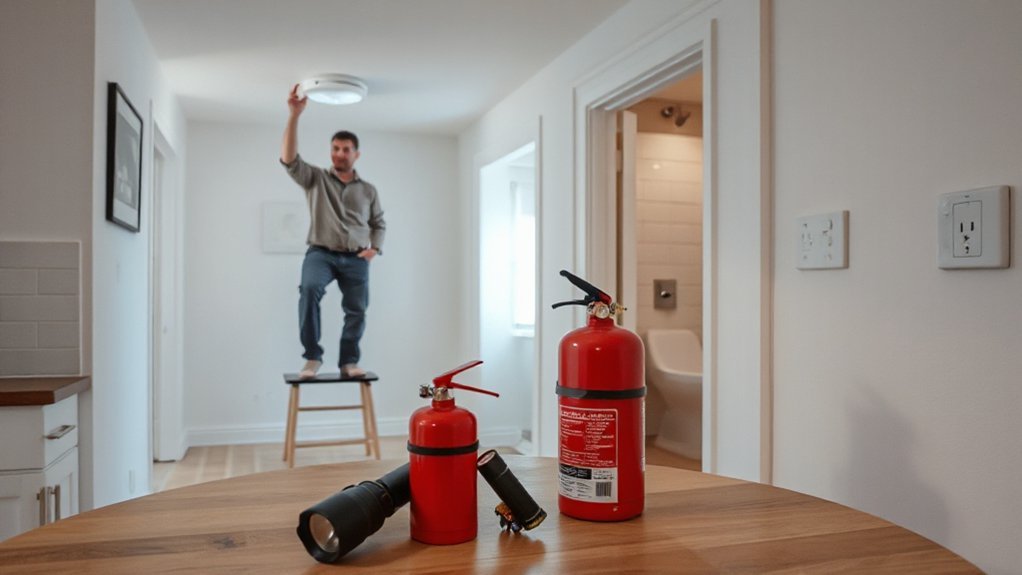
Moisture control keeps mould at bay, but it won’t help if a small fault turns into a fire or shock risk, so take two minutes to check your safety kit as well. Test every fire alarm and smoke detector using the button; if it’s weak or silent, swap the battery or replace the unit (most last 10 years). Press the “T” button on your RCD/GFCI at the consumer unit and on any socket with a test/reset pair; it should trip instantly, then reset cleanly. Check your fire extinguisher gauge sits in the green and the hose isn’t cracked.
- Put a monthly reminder in your phone
- Keep a spare 9V/AA battery pack handy
- Don’t paint over alarms or vents
- Note test dates on a label
Quick Outdoor Maintenance Tasks That Cut Repair Costs
Even if everything indoors looks fine, a ten‑minute lap of the outside can stop small defects turning into expensive call‑outs. Check gutters and downpipes for blockages and make sure water discharges away from the foundations, not onto paving. Scan brickwork and render for hairline cracks, and reseal around windows and doors with exterior silicone before drafts and damp set in.
Use simple Landscaping tips: trim shrubs back from walls, clear leaves from air bricks, and keep soil below the damp-proof course. Walk paths and the drive, lifting wobbly slabs and topping up jointing sand to prevent trips and water ingress. Finally, test outdoor lighting: replace failed PIR bulbs, clean lenses, and tighten loose fittings so you don’t end up with a shorted circuit or a dark entryway.
Frequently Asked Questions
How Much Do Typical DIY Maintenance Supplies Cost per Year?
You’ll typically spend £50–£150 per year on DIY maintenance supplies in the UK. You’ll cover sealants, filler, sandpaper, gloves for DIY safety, and basic consumables. Keep tool organization tight to avoid duplicates and waste.
Which Tasks Should Renters Do Versus Call the Landlord?
Like Pandora’s box, don’t open what you shouldn’t: you handle tenant responsibilities—replace bulbs, bleed radiators, reset breakers, report damp. You call for landlord responsibilities—boiler faults, leaks, electrics, structural issues, pests.
What Home Maintenance Tasks Require Permits in My Area?
You’ll usually need permits for structural changes, extensions, loft conversions, rewiring, new boilers, drainage work, and dropped kerbs. Check Permit regulations and Local codes via your council’s planning/building control pages, before booking trades.
How Can I Track Maintenance Schedules Without a Spreadsheet?
Use your phone’s calendar with recurring reminders, or a free home-maintenance app. Keep a paper Maintenance checklist on the fridge. Add DIY tips in notes, scan receipts, and set annual boiler-service alerts, too.
When Should I Hire a Professional Instead of Doing It Myself?
Even if you’re handy, hire a professional when DIY safety’s at risk, regs apply (gas, electrics), or work’s structural. Do a cost comparison: tools, time, rework, guarantees. In the UK, check Gas Safe, NICEIC.
Conclusion
Staying on top of these quick jobs keeps your home running smoothly and avoids costly call-outs. Swap your HVAC filter, clear vents, and wipe extractor fans so air stays fresh. Check under kitchen and bathroom sinks for drips, re-seal where needed, and tackle mould at the first spot. Test smoke/CO alarms, press the GFCI/RCD buttons, and confirm your extinguisher’s in date. Why wait for a leak or fault to force your hand?