
You can lower your home’s energy use quickly by sealing draughts around window frames, skirting boards, letterboxes, and doors with weatherstripping and threshold seals. Set a thermostat schedule that matches your routine, dropping temperatures overnight and when you’re out, then warming up before you return. Swap the most-used bulbs for A-rated LEDs in the kitchen, living room, and hallway. Run full loads on eco cycles, and cut standby power at the wall. Keep going to discover extra savings.
Key Takeaways
- Find and seal drafts around doors, windows, skirting boards, letterboxes, and keyholes using weatherstripping, threshold seals, or insulation film.
- Set thermostat schedules to match your routine, lowering heat overnight and when out, and warming up shortly before you return.
- Replace frequently used bulbs with LED equivalents, choosing the right lumen output and color temperature for each room.
- Run appliances efficiently: wash at 30°C on eco, fully load dishwashers, and keep fridge at 4°C and freezer at -18°C.
- Cut daily waste by switching off lights and standby devices, lowering the thermostat by 1°C, and reducing hot water use with shorter showers.
Find and Seal Drafts for a More Efficient Home
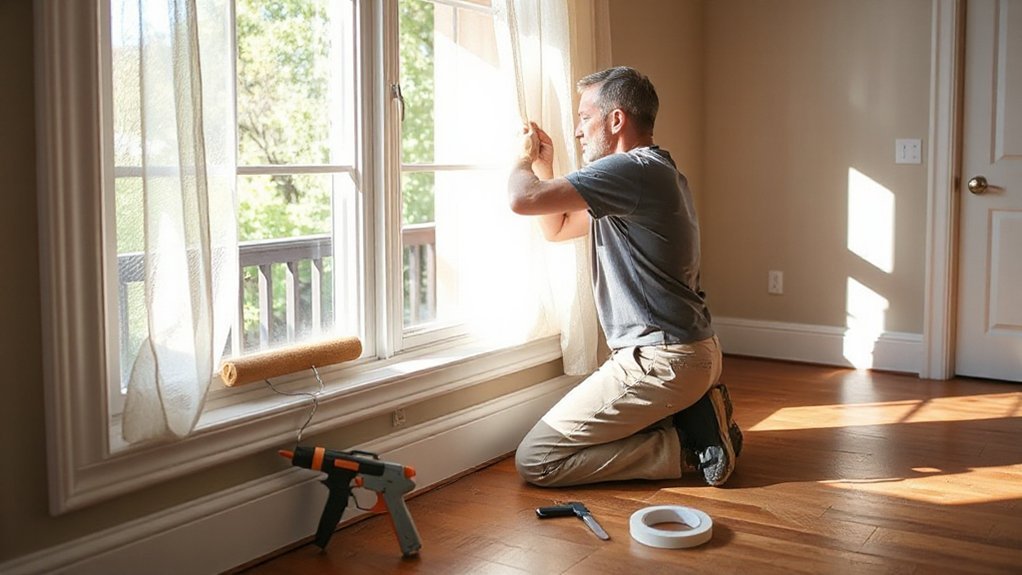
Although you may not notice them day to day, draughts around doors, windows, loft hatches, and pipework can steadily waste heat and drive up your energy bills. You should locate leaks first: run your hand around frames on a windy day, check skirting boards, and inspect letterboxes and keyholes. Then seal gaps with appropriate materials. Fit door weatherstripping to external doors and add a brush strip or threshold seal to stop air movement at floor level. Apply draught-proofing strips to window frames and use window insulation film or secondary glazing where replacement isn’t viable. Seal pipe penetrations with expanding foam or intumescent mastic, and add a draught excluder to the loft hatch. You’ll improve comfort immediately.
Set Thermostat Schedules to Lower Heating and Cooling Costs
When you set a clear thermostat schedule, you stop heating or cooling an empty home and cut costs without sacrificing comfort. Start by matching set-points to your routine: lower the temperature overnight and during work or school hours, then raise it shortly before you return. In warmer months, schedule higher set-points when you’re out, and pre-cool only when needed. Use gradual changes rather than extreme swings, so your boiler or heat pump runs efficiently. A Smart thermostat helps by learning patterns, adjusting for weather, and letting you override settings remotely. Review your schedule weekly, especially after holidays or shift changes, and check actual room temperatures to avoid unnecessary running. Done well, you’ll see reliable energy savings without discomfort.
Swap in LED Lighting to Cut Home Energy Use Fast
Since lighting runs for hours every day, swapping your most-used bulbs for LEDs is one of the quickest ways to cut electricity use without changing your routine. Start with the rooms you occupy most: kitchen, living room, hallway, and porch. Choose energy efficient bulbs labelled A-rated (or the best available under the new scale) and match the lumen output to your old bulb so brightness stays consistent. Pick warm white for relaxing spaces and neutral white for task areas. Check fittings before you buy: bayonet cap (BC) and Edison screw (ES) aren’t interchangeable. Add smart lighting where it pays: set timers, dim levels, and motion triggers so lights aren’t left on. Replace halogens first; you’ll see savings quickly.
Run Big Appliances Cheaper (Laundry, Dishes, Fridge)
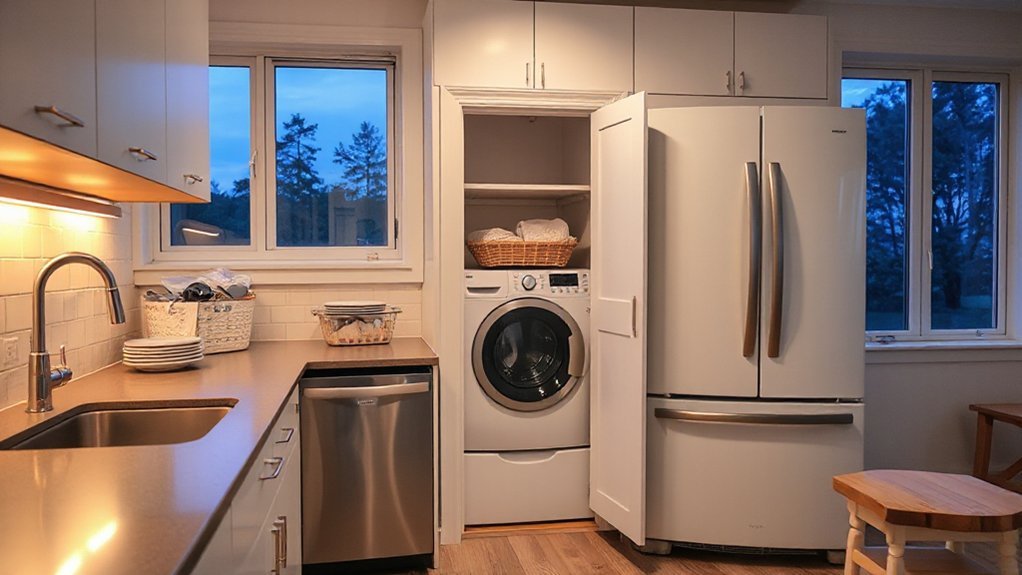
LEDs trim your lighting bill quickly, but the biggest day-to-day savings often come from how you run large appliances such as the washing machine, dishwasher, and fridge-freezer. You’ll cut costs most by optimising settings, scheduling, and upkeep while protecting performance. Use Power usage monitoring with a plug-in meter to spot high kWh cycles and confirm savings after changes. Prioritise Appliance maintenance so motors and seals don’t work harder than needed.
- Run laundry at 30°C and use the eco cycle; spin faster to reduce tumble-drying.
- Load the dishwasher fully and select eco; avoid intensive unless hygiene requires it.
- Keep the fridge at 4°C and freezer at -18°C; clean coils and check door seals.
- Shift these loads to off-peak tariffs where available.
Simple Daily Habits That Reduce Energy Waste at Home
Although you’ve already tackled the biggest appliance loads, you’ll still save meaningful energy by tightening up the small daily habits that quietly drive waste across your home. Switch lights off when leaving a room, and use task lighting instead of fully lighting open-plan areas. Turn plugs off at the wall to cut standby draw from TVs, consoles, and chargers. Set your thermostat a degree lower and wear an extra layer; keep internal doors closed to hold heat. Take shorter showers and fit a low-flow showerhead to reduce hot water demand. Use Smart home automation to schedule heating, manage occupancy-based lighting, and send alerts for windows left open. If you’re on a time-of-use tariff, run essentials when Renewable energy sources are plentiful on the grid.
Frequently Asked Questions
Do Energy-Efficient Upgrades Increase My Home’s Resale Value?
Yes, they can increase your home’s resale value by improving EPC ratings and lowering running costs. Prioritise home insulation and window replacements; keep receipts and guarantees, and highlight savings during viewings and negotiations.
Are There Rebates or Tax Credits for Home Energy Improvements?
Yes, you can access rebates and tax credits; they’re a lantern in the fog. You’ll find solar incentives and tax savings via GOV.UK, local councils, and energy suppliers—check eligibility, deadlines, and keep receipts.
How Can I Measure My Home’s Energy Use in Real Time?
You can measure it using Real time monitoring via a smart meter and in-home display, or install energy sensors on key circuits. You’ll track live kWh, spot peaks, and review reports in an app.
When Should I Schedule a Professional Home Energy Audit?
Schedule a professional audit now—it’s absolutely life-changing—when bills rise, comfort drops, or before renovations or winter. Pair it with a home inspection and request a detailed energy assessment to prioritise cost-effective upgrades promptly.
Which Upgrades Make the Biggest Difference for Renters?
You’ll see the biggest gains from Window insulation, draught-proofing, and smart thermostats you can take with you. Swap to LED bulbs, fit radiator foil, and use heavy curtains; always seek your landlord’s approval first.
Conclusion
You’ve seen that improving your home’s energy use doesn’t require major works, just smart choices. Seal drafts to stop heat escaping, set thermostat schedules to avoid waste, and switch to LED lighting for quick savings. Run laundry and the dishwasher on full loads, use colder cycles, and keep the fridge efficient. Like a steady drip filling a bucket, small daily habits add up—switch off standby, shut doors, and track your usage for lasting results.