
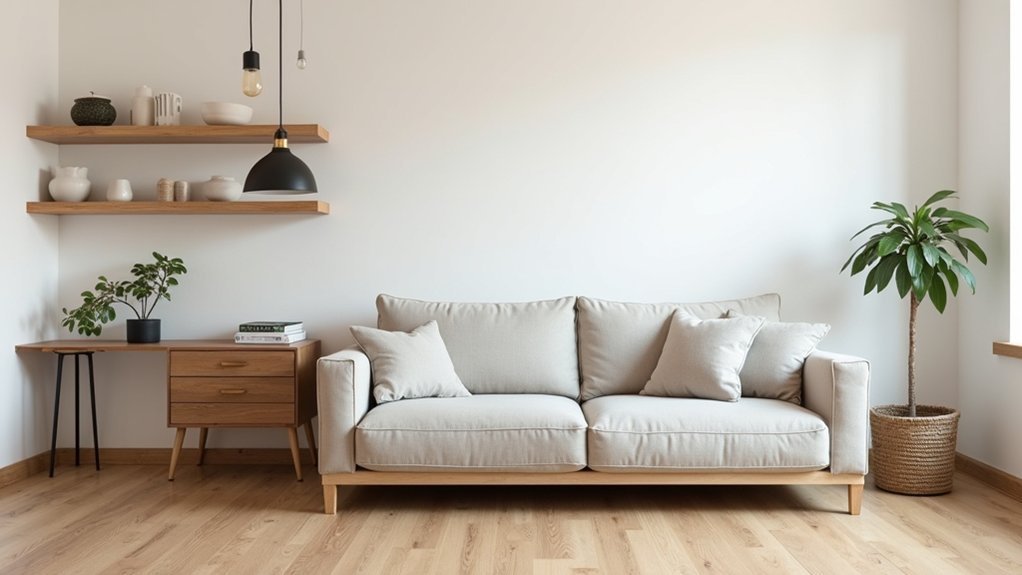
Is it really true that you can modernise a property on a tight budget without it looking cheap? You can, but only if you set a clear spend limit, prioritise the rooms that date the place most, and stick to quick cosmetic wins like neutral paint, consistent hardware, and better lighting. Add a few efficiency fixes to cut bills while you’re at it. The key is knowing what to change first—and what to leave alone for now…
Key Takeaways
- Lock in budget, timeline, and non-negotiables, and create a detailed scope with contingency to avoid costly mid-project changes.
- Get three like-for-like quotes, confirm exclusions and lead times, and plan for permits, disposal, and hidden repairs.
- Refresh quickly with neutral paint, patched trims, and consistent hardware swaps for a modern look at low cost.
- Modernise lighting with LED bulbs, simple updated fixtures, and LED-compatible dimmers; compare lumens and choose 2700K–4000K colour temperatures.
- Cut bills with draught-proofing, loft and pipe insulation, boiler servicing, smart heating controls, and water-saving showerheads before major renovations.
Set Your Budget, Timeline, and Priorities
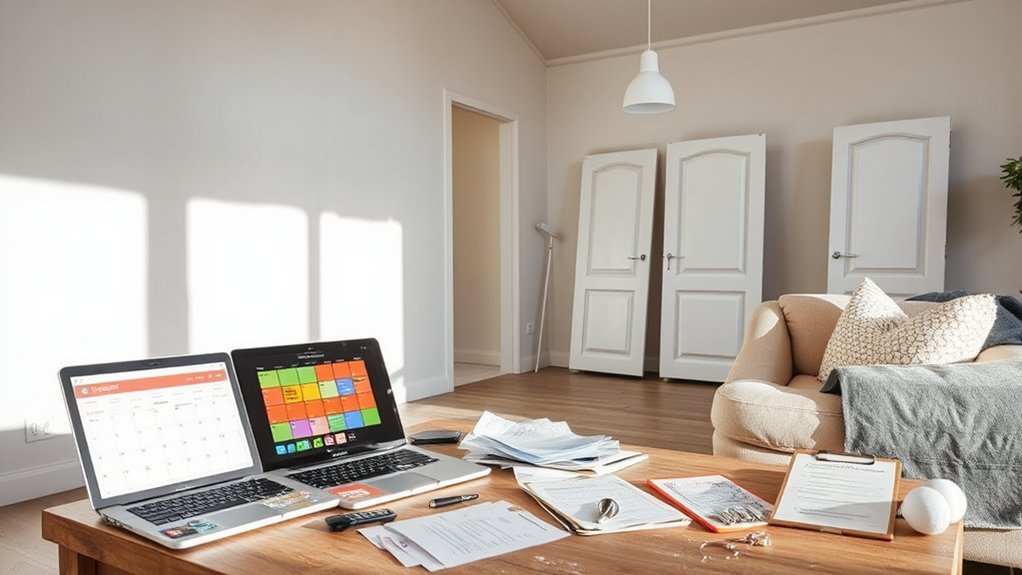
Before you pick up a paintbrush or call a contractor, lock in your budget, timeline, and non-negotiables so you don’t overspend on the wrong upgrades. Set a hard cap, then split it into materials, labor, contingency, and fees.
Build a timeline that matches your cash flow and access to trades, and add buffer days for deliveries and inspections.
Rank priorities by impact: safety fixes first, then energy savings, then cosmetics.
Check how each choice affects Property valuation in your area, so you don’t pay for features buyers won’t value.
Confirm which jobs need renovation permits, including electrical, plumbing, and structural changes, and price the application and compliance costs upfront.
Document decisions in a simple scope list you can share.
Avoid Budget Modernising Mistakes Early
Although cheap “quick wins” look tempting, you’ll save more by spotting the common budget-modernising traps early—starting work without a defined scope, underestimating labour and disposal costs, and buying materials that don’t fit your property’s standards or measurements. Lock your scope in writing, then price it line by line, including skips, permits, tool hire, delivery, and contingency.
Get at least three like-for-like quotes and confirm what’s excluded, from making-good to waste removal. Measure twice and check lead times, returns policies, and batch consistency before you order.
Watch for common pitfalls such as hidden damp, outdated wiring, and uneven floors; investigate with a survey or targeted inspections. To prevent budgeting errors, stage purchases, avoid upfront deposits without milestones, and keep receipts, photos, and change requests tracked.
Modernise a Property Fast With Paint and Hardware
If you need a quick, low-cost update that makes a room feel newer immediately, repainting and swapping tired hardware deliver the best return for the least disruption. Start with high-traffic areas and choose a neutral, washable paint in eggshell or satin; patch holes, sand glossy trim, and cut in clean lines for a pro finish.
Paint doors and skirting in a crisp white to sharpen contrast without replacing anything. Next, replace mismatched knobs, pulls, and hinges with one consistent finish; measure hole spacing before you buy to avoid filler work.
Keep Vintage charm by retaining original doorknobs where possible and pairing them with updated backplates. For Historical preservation, strip and refinish quality brass instead of tossing it.
You’ll modernise fast, cheaply, and tidy.
Upgrade Lighting for a Modern Look (Cheap Wins)
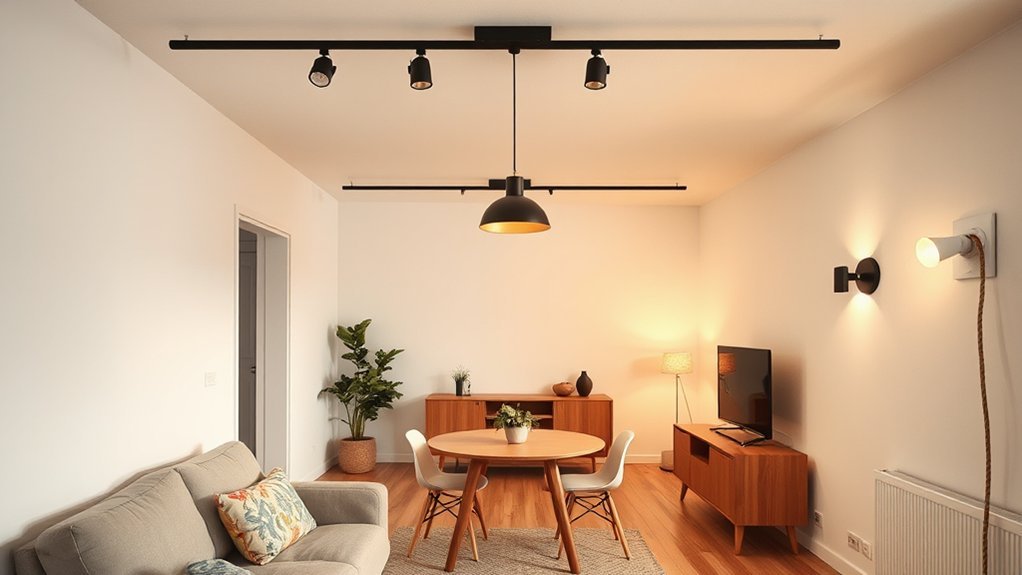
You can modernise a room instantly by swapping old bulbs for LEDs, which cut energy use and give you cleaner, brighter light for a few pounds each.
Add dimmer switches where it makes sense so you can tune the mood without changing fittings, but check compatibility with your LED bulbs first.
Finish the upgrade by replacing dated pendants or flush mounts with simple, modern fixtures that fit your existing wiring and ceiling box.
Swap To LED Bulbs
Where can you get the biggest “modern” upgrade for the least money? Swap old incandescent or halogen bulbs for LEDs. You’ll see instant Energy efficiency gains: LEDs use far less electricity and last years longer, cutting replacement trips and ongoing costs.
You’ll also boost aesthetic appeal by choosing the right colour temperature—2700K for warm, cosy rooms; 3000–3500K for a clean “updated” feel; 4000K for kitchens, baths, and task areas.
Check fittings before you buy: match the cap type (E27, E14, GU10, B22) and keep brightness similar by comparing lumens, not watts. For most rooms, aim for 470–806 lumens per bulb.
Choose high CRI (90+) where colour matters, like wardrobes and living spaces.
Install Dimmer Switches
Ever wondered how to make a room feel instantly more “high-end” without touching the furniture? Install dimmer switches and you’ll get flexible lighting control for pennies compared with bigger upgrades.
You can dial brightness for movie nights, focused work, or relaxed evenings, and you’ll often reduce energy use too.
- Check bulb compatibility first (LED dimmable matters)
- Choose the right rating for the circuit’s wattage load
- Label the breaker, isolate power, and test before touching wires
- Pick a simple rotary or slide unit for reliable, budget-friendly control
If you’re not confident with electrics, pay an electrician for the swap; it’s usually a quick call-out. You’ll notice the upgrade every day, room by room.
Add Modern Fixtures
Want a sharper, more modern room fast? Swap outdated lights for clean-lined fixtures and you’ll change the mood instantly. Start with the main ceiling light: a slim flush mount or simple pendant usually costs little but looks high-end. Keep proportions right—bigger rooms need wider fittings—and match metal finishes across the space for a cohesive look.
Use LEDs (warm 2700–3000K) to modernise without harsh glare, and choose bulbs with high CRI for better colour. Add under-cabinet strips in kitchens, or plug-in wall sconces by beds to avoid rewiring.
Don’t ditch charm: pair Vintage fixtures with classic accents, but stick to one statement piece per room. Shop sales, outlet stores, and second-hand for bargains.
Modernise a Kitchen Without a Full Remodel
Even if you can’t justify a full kitchen remodel, you can still make it feel current with a few targeted, high-impact upgrades. Start by reviewing your Kitchen layout and appliance placement: a swapped fridge location or tighter work triangle can improve flow without moving plumbing.
Then focus on surfaces and lighting you can change in a weekend.
- Replace dated cabinet pulls with matte black or brushed brass hardware
- Add under-cabinet LED strips for brighter, cleaner task lighting
- Refresh doors with paint or new fronts instead of replacing boxes
- Upgrade the tap and fit a deeper, modern sink if the cut-out matches
Finish with a single, durable worktop overlay or a peel-and-stick splashback to modernise fast and keep costs predictable.
Modernise a Bathroom With Swaps, Not Retiling
Although ripping out tiles gets most of the attention, you can modernise a bathroom faster and cheaper by swapping the fittings and finishes that date it most. Replace taps, showerheads, and the toilet seat with contemporary chrome, black, or brushed brass; you’ll get a new look without plumbing drama if you match existing hole centres.
Update Bathroom accessories: a slim mirror cabinet, matching towel bar, robe hooks, and a dispenser set make the room feel intentional. Switch a tired light to an IP-rated LED fitting (3000–4000K) and add a dimmer if wiring allows.
Upgrade Ventilation solutions before cosmetics. Fit a quiet extractor fan with a humidistat, clean the grille, and reseal around the bath and basin to stop mould returning. Finish with a crisp, washable paint refresh.
Boost Kerb Appeal With Low-Cost Exterior Updates
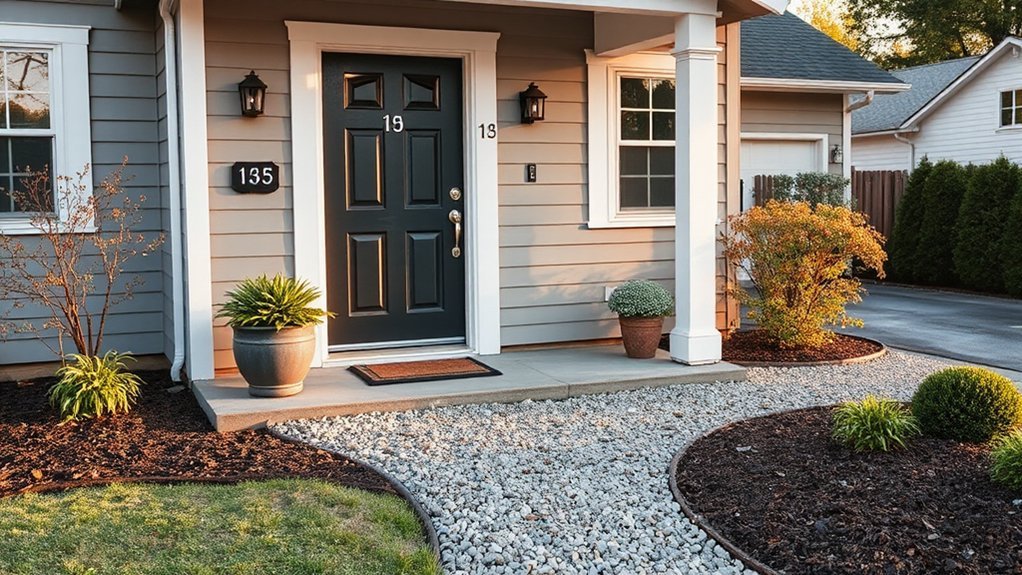
Once the bathroom feels fresher, turn your attention outside—kerb appeal sets expectations before anyone steps through the door. You don’t need big projects; you need tidy lines, consistent colours, and a few smart upgrades that photograph well and last.
- Pressure-wash paths, steps, and brickwork, then weed cracks and edge borders for instant sharpness.
- Refresh the front door with paint, a modern handle, and a bold house number that suits your exterior materials.
- Swap tired lights and a letterbox for matching finishes; choose warm-toned bulbs for a welcoming glow.
- Use simple landscaping ideas: mulch beds, add two identical planters, and prune shrubs to reveal windows.
Finish by touching up peeling trim and clearing gutters for a clean silhouette.
Modernise a Property and Cut Bills With Efficiency Fixes
Before you spend on new finishes, lock in a few efficiency fixes that modernise how the home runs and cut your monthly bills without major disruption. Start with draught-proofing: fit brush seals to doors, add window weatherstrips, and cap unused chimneys.
Then upgrade lighting to LEDs and add smart thermostatic radiator valves or a programmable thermostat to stop overheating empty rooms.
Next, improve insulation where it’s easy: top up loft insulation, insulate hot-water pipes, and fit a cylinder jacket. If you’ve got original sash windows, choose secondary glazing to support Historical preservation while boosting Energy efficiency.
Service the boiler, bleed radiators, and set flow temperature correctly for better performance.
Finally, swap in low-flow showerheads and fix leaks fast; water savings stack up quietly.
Frequently Asked Questions
How Can I Modernise a Listed Property Without Breaking Conservation Rules?
You can modernise by consulting conservation officers early, following Architectural guidelines, and prioritising reversible upgrades. Use Historical preservation materials, repair over replace, improve insulation discreetly, upgrade services hiddenly, document changes, and apply for listed consent.
What Budget Should I Set Aside for Unexpected Costs and Hidden Defects?
Like an iceberg, defects hide below. You should set aside 15–25% of your project total for unexpected costs, using cost estimation and contingency planning. Track quotes, surveys, permits, and specialist repairs, and review monthly.
Will Budget Modernisation Projects Increase My Home’s Valuation Significantly?
You’ll usually see a modest valuation bump, not a dramatic jump, from budget modernisation. Focus on Affordable decor for appeal and Energy efficient upgrades for measurable value. Keep receipts, choose durable finishes, and avoid over-improving locally.
Do I Need Planning Permission for Replacing Windows or Changing the Front Door?
Usually you don’t need planning permission to replace windows or change a front door—by Jove. You must match appearance, check listed/building or conservation rules. You’ll boost energy efficiency and add security enhancements with compliant specs.
Which Modern Upgrades Offer the Best Return if I Plan to Sell Soon?
You’ll get the best return from a refreshed kitchen and bathroom, neutral paint, and energy fixes. Upgrade Interior lighting to bright LEDs. Tidy Outdoor landscaping with edging, mulch, and lighting—it boosts kerb appeal fast.
Conclusion
Modernising on a budget works when you plan, prioritise, and stick to quick wins. Set a firm spend and timeline, then tackle high-impact jobs first: repaint in durable neutrals, swap dated handles and taps, and upgrade to warm LED lighting. Refresh kitchens and bathrooms with fittings, sealant, and deep cleaning instead of ripping out tiles. Outside, tidy, wash, and update house numbers and lights. Why pay for major works when small fixes deliver big change?