
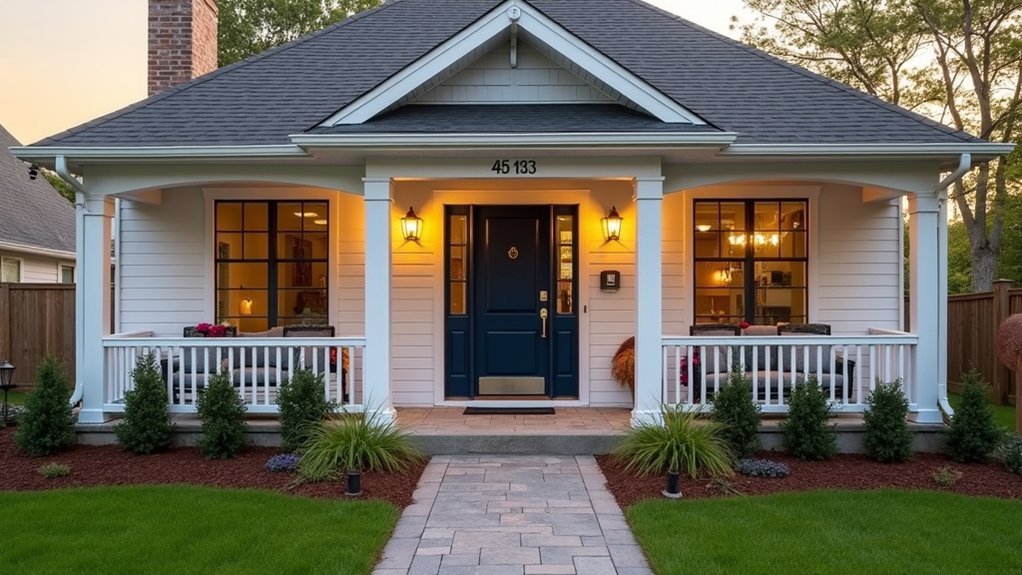
You don’t need a full remodel to make your property feel current and well cared for. If you focus on upgrades that buyers notice first—fresh neutral paint, updated lighting and hardware, clean entry details, and floors that look crisp—you can raise perceived value fast without blowing your budget. The trick is knowing which fixes pay you back and which ones quietly drag your price down…
Key Takeaways
- Air-seal, add attic insulation, and install a smart thermostat and LEDs to cut bills and signal a well-maintained home.
- Refresh curb appeal with a clean entry, matching warm LED exterior lights, pressure washing, and trimmed, mulched landscaping.
- Patch nail pops and dings, then repaint in broad-appeal neutrals using proper primers and finishes for a crisp, updated interior.
- Swap dated hardware, switches, outlet covers, and light fixtures to consistent finishes for an inexpensive, intentional upgrade.
- Improve floors by recoating hardwood, replacing worn carpet, deep-cleaning and sealing grout, and repairing LVP to instantly boost perceived value.
Start With Property Upgrades That Pay You Back
Before you touch anything cosmetic, focus on upgrades with a clear return—projects that cut running costs, reduce maintenance, or raise perceived value fast. Start with air-sealing and attic insulation, then swap to a smart thermostat and LED fixtures to show modern efficiency.
Replace worn HVAC filters, service the system, and add a heat-pump water heater if your utility rates justify it.
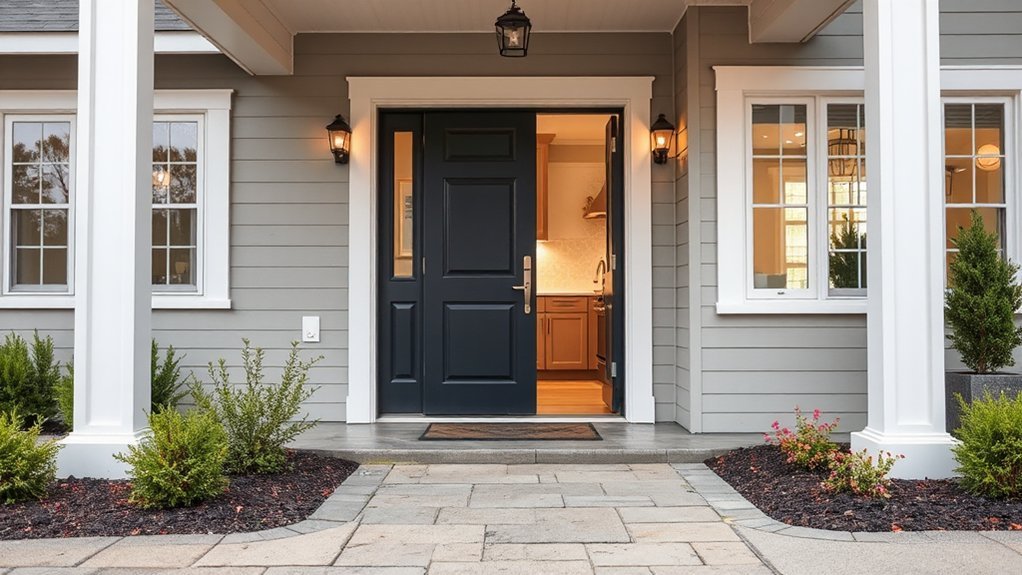
Outside, install low-maintenance composite or repaired decking, refresh gutters with guards, and upgrade to a steel entry door for instant curb appeal.
If you’re adding square footage or an ADU, confirm zoning regulations early and price permits into your plan.
Track how improvements might affect Property tax assessments, so the net payoff stays positive at resale.
Avoid Renovation Mistakes That Lower Home Value
Although a renovation can look impressive on Instagram, the wrong choices can quietly shave thousands off your resale value, so you’ll want to prioritize broad-market appeal and clean workmanship over niche upgrades.
Avoid hyper-personalized finishes like bold murals, ultra-specific built-ins, or luxury tech buyers won’t use. Don’t remove closets to “open” rooms, and don’t sacrifice a bedroom for a media lounge unless comps support it.
Keep layouts functional and permit all major work; unpermitted plumbing or electrical raises red flags during inspection.
Protect Structural integrity by fixing moisture, foundation cracks, and roof issues before cosmetic updates.
If you’re in an older home, respect Historical preservation—restore trim, match period windows, and avoid cheap vinyl that clashes.
Choose durable, neutral materials and document warranties and invoices.
Boost Curb Appeal Fast With Door, Lights, and Cleanup
Smart renovations protect value on paper, but curb appeal is what gets buyers out of the car and into your showing. Start at the front door: tighten hardware, clean the glass, and swap a dated knob for a modern matte-black handle set. Keep door decor simple—one seasonal wreath or a sleek welcome sign—so it photographs cleanly.
Next, upgrade exterior lighting with matching fixtures and warm LEDs (2700–3000K) to make the entry feel safe and current. Add motion sensors at side paths, not the porch, to avoid harsh glare.
Then clean like a pro: pressure-wash steps, edge the walkway, pull weeds, and refresh mulch lines. Finish by hiding hoses and bins.
Paint and Patch for a Clean, Updated Interior
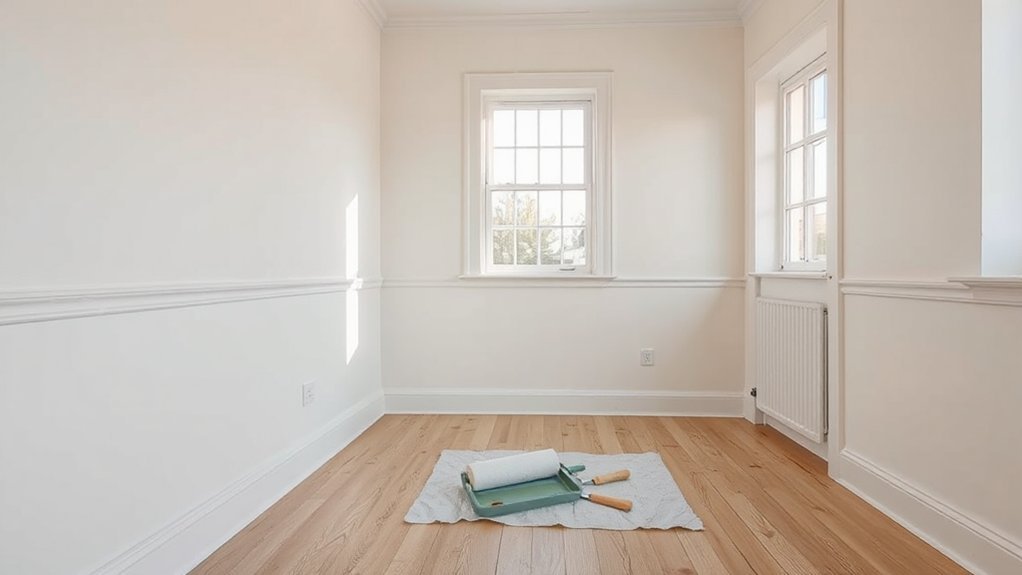
When your walls read clean and consistent, the whole home feels newer—even if you haven’t changed a thing. Start by scanning in daylight: nail pops, hairline cracks, corner dings, and old anchor holes. Fill with lightweight spackle, tape and compound deeper seams, then sand to a feathered edge so repairs disappear.
Match Wall textures by stippling with a damp sponge or rolling with a texture mini-roller before priming. Use stain-blocking primer on water marks and glossy trim lines to prevent flashing.
Then choose modern Color palettes: warm whites, greige, muted sage, or soft clay for broad appeal. Paint ceilings flat, walls eggshell, and high-traffic zones satin.
Cut crisp edges, keep a wet line, and touch up baseboards.
Swap Lighting, Switches, and Hardware for Instant Polish
Even if you don’t touch the layout, swapping dated lights, switches, and hardware can make the whole place feel intentionally updated in a single weekend.
Start with consistent finishes: matte black, satin nickel, or warm brass, and stick to one family room to room. Replace yellowed toggle switches with modern rockers, and add dimmers where you entertain.
Upgrade entry and hallway fixtures to a simple dome or slim semi-flush; in bedrooms, try a clean pendant. Use smart lighting bulbs or switches so you can tune brightness and color temperature for showings.
Refresh doors and cabinets with matching pulls, hinges, and a new lever handle set.
Finally, add Decorative accents like coordinated outlet covers to quietly sharpen every wall.
Make a Basic Kitchen Renovation Look High-End
Once you’ve upgraded the lights and hardware, the kitchen becomes the next place where a few targeted choices can make the whole renovation read custom instead of basic.
Stick to a tight palette: warm whites, light oak, and matte black or brushed brass.
Add a simple crown or light rail to stock cabinets, then run them to the ceiling with a painted soffit for a built-in look.
Choose a thicker-edge quartz with subtle veining, and carry the same slab up as a low backsplash for luxury finishes without extra tile labor.
Swap in an under-mount sink and a pull-down faucet with a solid, weighty handle.
If you can, allocate budget to high-end appliances—at least a statement range or counter-depth fridge.
Keep grout lines minimal.
Quick Bathroom Refreshes Buyers Notice Immediately
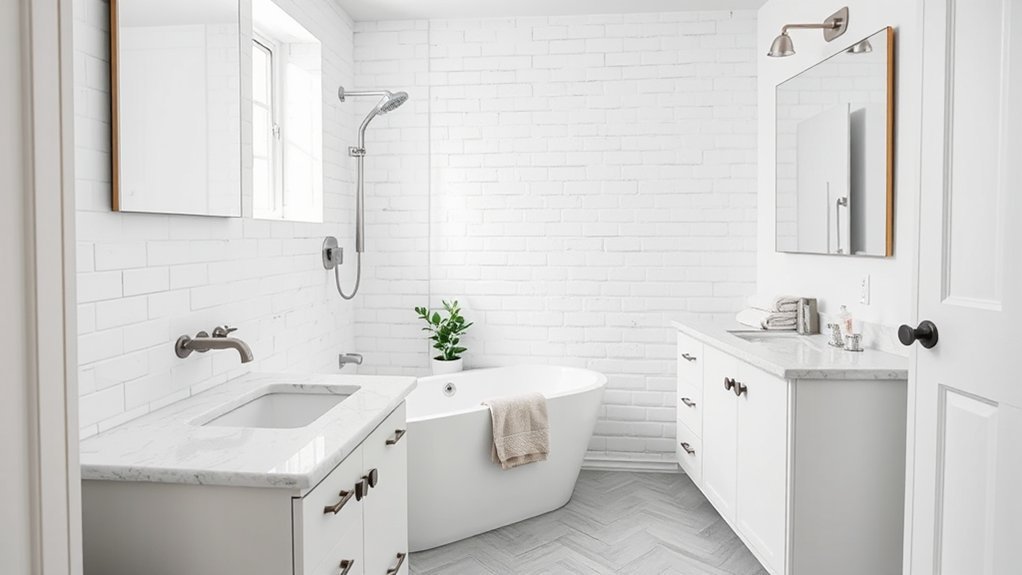
In Property Renovations, you can make a bathroom feel updated fast by swapping dated fixtures and hardware for coordinated, modern finishes.
You’ll get an instant “well-maintained” signal when you refresh grout lines and replace cracked caulk around the tub, shower, and vanity.
Then upgrade lighting to a bright, flattering temperature and pair it with a clean-lined mirror to make the space look larger and more current.
Swap Fixtures And Hardware
Why wait for a full remodel when a few strategic swaps can make your bathroom feel instantly updated? Start with modern fixtures: replace a dated faucet with a single-handle matte black or brushed nickel model, and match the showerhead for a cohesive look. Upgrade towel bars, robe hooks, and the toilet paper holder with stylish hardware in the same finish to signal intention, not patchwork.
Next, swap vanity knobs and pulls for clean-lined options; buyers notice alignment and scale, so keep pulls proportional to drawer width. Consider a new mirror with a slim metal frame or a backlit LED style for a current vibe.
Finally, update switch plates and a vanity light to warm, flattering 3000K LEDs.
Refresh Grout And Caulk
How much fresher can your bathroom look with a few hours and a couple of tubes? Buyers read dingy grout and cracked caulk as hidden water problems, so this mini-refresh pays off fast. Start with smart Grout maintenance: clean, brighten, and re-seal so lines look crisp against today’s popular warm whites and soft grays.
- Scrub grout with an oxygen cleaner, then rinse and dry completely.
- Touch up stains with a grout pen or re-grout thin gaps for uniform color.
- Apply grout sealer with a small roller; wipe tile faces before it hazes.
- Do Caulk sealing last: cut out old beads, tape edges, then run mildew-resistant silicone at tub, shower, and vanity joints.
You’ll get cleaner edges, tighter seams, and a “well-cared-for” finish.
Upgrade Lighting And Mirrors
Even if you don’t change a single tile, swapping dated vanity lights and a builder-grade mirror can make the whole bathroom read brighter, newer, and more intentional to buyers.
Choose a fixture with a clean silhouette (matte black, brushed nickel, or warm brass) and size it to your vanity width for a balanced look. Use LED bulbs at 2700–3000K so skin tones look natural, not icy.
Add dimming if you can; buyers love controllable ambient lighting for morning routines and evening wind-down.
Replace the mirror with one larger piece or two matching options for double sinks, and pick decorative mirrors with thin frames or subtle arches for a current feel.
Mount everything level, center it precisely, and hide wires.
Refinish, Replace, or Deep-Clean Floors for Impact
Before you touch paint or swap fixtures, look down—your floors set the tone for the entire space and instantly signal “well cared for” (or not). If hardwood looks dull or scratched, floor refinishing delivers a like-new sheen that buyers notice fast. If carpet holds odors, stains, or dated color, carpet replacement is often cheaper than repeated cleaning and photographs better.
- Refinish hardwood: Screen-and-recoat for light wear; full sand and seal for deep gouges.
- Replace tired carpet: Pick low-pile, stain-resistant neutrals for a modern, rental-proof look.
- Deep-clean tile and grout: Use alkaline cleaner, then seal grout to keep it crisp.
- Refresh vinyl/LVP: Repair planks, degloss, and add matte finish for current style.
Frequently Asked Questions
What Renovations Require Permits in My Area Before I Start Work?
You’ll typically need permits for structural changes, electrical/plumbing work, HVAC installs, roof replacements, additions, and major demolitions. Check your city/county permit requirements and local regulations online or call inspections, since rules vary by neighborhood.
How Do I Budget for Surprises During a Renovation Project?
Budget like your walls might start spitting gold dust: set aside 10–20% for Unexpected costs. Do contingency planning early, track quotes in a spreadsheet, pad labor/materials, and freeze scope so change orders don’t ambush you.
Should I Hire a Contractor or Do Renovations Myself to Save Money?
Hire a contractor for structural, electrical, or permit-heavy work; DIY cosmetics to save. Use DIY tips for prep and paint. Prioritize contractor selection: compare bids, check licenses, reviews, timelines, and warranty.
How Long Should I Expect Common Renovations to Take From Start to Finish?
Expect renovation timelines like paint 1–3 days, flooring 2–5, kitchen refresh 2–4 weeks, bath 1–3 weeks—who doesn’t want predictability? You’ll cut delays with DIY tips: staged deliveries, nightly cleanup. Plan permits.
What Documents and Receipts Should I Keep for Resale and Tax Purposes?
Keep contractor invoices, paid receipts, permits, inspections, warranties, before/after photos, material specs, and bank statements. You’ll support Property valuation and maximize Tax deductions. Store digital copies, categorize by project, and retain for at least seven years.
Conclusion
When you choose upgrades that pay you back, you turn your home into a magnet for buyers. Skip overbuilding, and focus on what shows: crisp neutral paint, patched walls, modern switches, warm LED lighting, and updated hardware. Give the entry a quick glow-up with a clean door, brighter fixtures, and trimmed landscaping. Make kitchens and baths feel boutique with fresh caulk, new faucets, and tidy grout. Like a fresh haircut, these fixes sharpen everything.