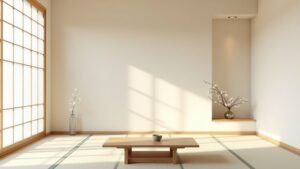
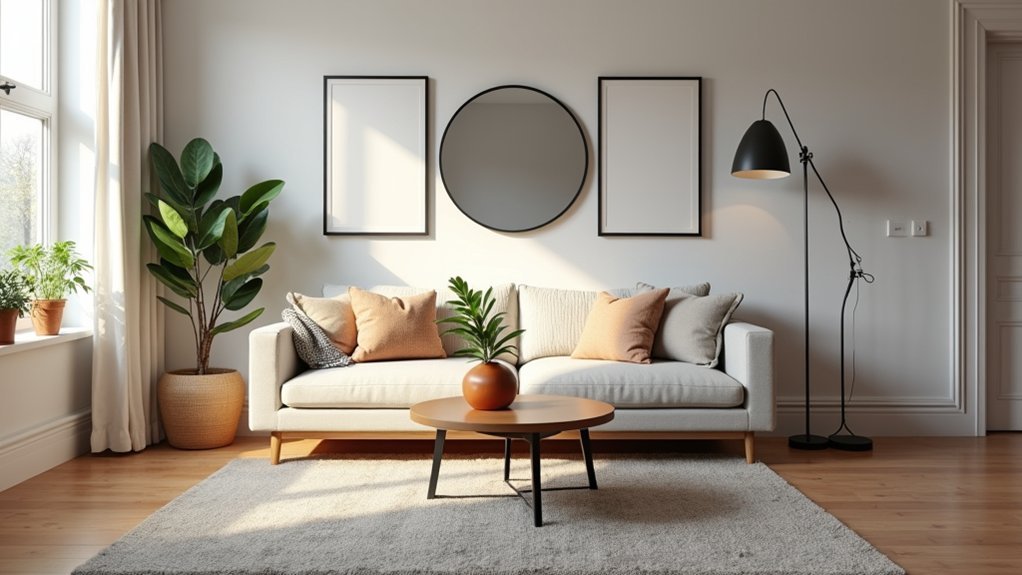
You can update a room fast by rearranging furniture to create clear pathways, floating the sofa off the wall, and keeping the coffee table 14–18 inches from seating. Layer warm, high-CRI 2700K–3000K bulbs with a floor lamp and a small table lamp for instant glow. Refresh windows with higher, wider curtains, then swap in textured pillows and a correctly sized rug under front legs. Restyle surfaces in 3–5 grouped vignettes, add a mirror, and finish with an easy plant—and there’s even more you can try next.
Key Takeaways
- Rearrange furniture to open clear walking paths, float the sofa off the wall, and keep the coffee table 14–18 inches from seating.
- Update lighting by layering a floor lamp, small table lamps, and warm high-CRI LEDs (2700K–3000K) for softer, brighter ambiance.
- Refresh walls with properly hung art, a simple gallery grid, or a mirror positioned to reflect daylight and add depth.
- Upgrade textiles with light-filtering curtains hung high and wide, plus new pillows, throws, and a correctly sized rug to anchor seating.
- Restyle surfaces by clearing clutter, creating 3–5 decor groupings with mixed textures, and adding a low-maintenance plant for freshness.
Rearrange Furniture for a Quick Room Update
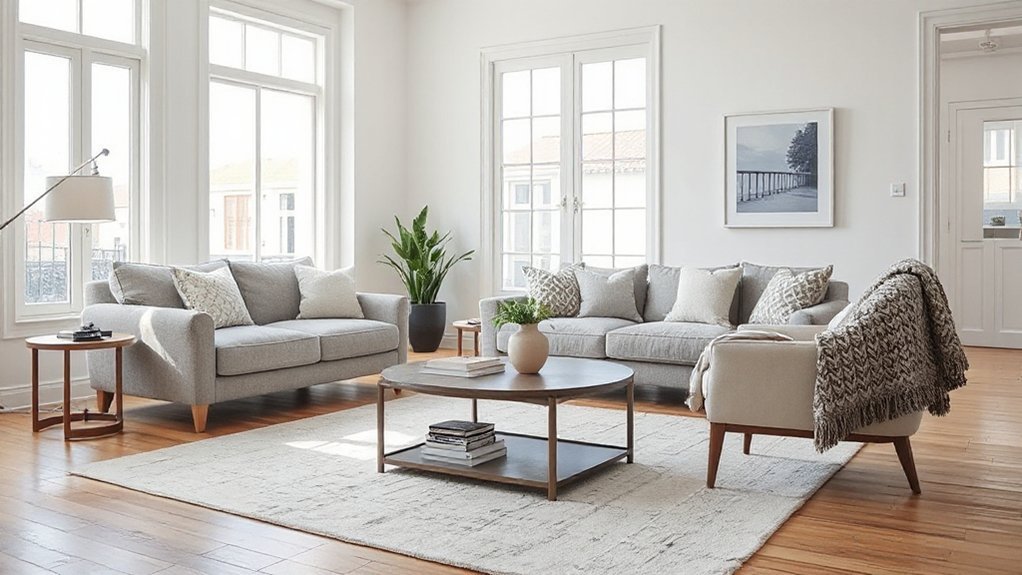
If you want the fastest way to refresh a room without spending a dime, start by rearranging the furniture you already own. Begin by clearing pathways: you should be able to walk through without zigzagging. Float the sofa off the wall if you can; it’s a trend-forward move that creates depth and better conversation zones. Anchor seating with a rug’s front legs on it, then center the coffee table 14–18 inches away for reach. For smart furniture arrangement, swap a bulky side chair for two lighter pieces, or angle one chair to open sightlines. Prioritize space optimization by pulling tall pieces to one wall and keeping low items near windows. Finish by rebalancing decor on surfaces.
Upgrade Lighting With Lamps and Warmer Bulbs
Because lighting sets the mood faster than any new decor, swapping in a few well-placed lamps and warmer bulbs can make your room feel instantly more polished and inviting. Aim for 2700K–3000K LEDs to get that ambient glow without the yellow haze, and layer light at different heights so shadows soften and corners feel finished. Skip harsh overhead-only lighting and dial in a cozy ambiance with focused, dimmable sources.
- Add a floor lamp behind your sofa to bounce light off the wall.
- Place a small table lamp on a shelf or console for mid-level warmth.
- Use plug-in sconces to frame a bed or reading nook, no hardwiring.
- Swap to warm, high-CRI bulbs so fabrics and wood tones look richer.
Add Color With Renter-Friendly Paint Tricks
You don’t need a lease-breaking paint job to bring in color—try a peel-and-stick accent wall in a bold solid or an on-trend mural print. For a sharper, designer look, use removable painter’s tape to create temporary color blocking on one wall or around a nook, then peel it off cleanly when you move. Stick to low-tack adhesives and test a small spot first so your walls stay damage-free.
Peel-And-Stick Accent Walls
One peel-and-stick accent wall can change the entire vibe of a room in under an hour—no paint fumes, no patching, and no landlord panic. You’ll get bold color and texture while keeping everything reversible, especially if you choose quality Wallpaper patterns with a matte finish that hides minor wall flaws.
- Pick the right wall: Choose the first wall you see or the one behind the bed/sofa.
- Prep fast: Dust, degrease, and let the wall dry so the adhesive grips evenly.
- Install like a pro: Use a level, start from the top corner, and smooth with a squeegee to avoid bubbles.
- Plan for Adhesive removal: Warm panels with a hair dryer, peel slowly, and wipe residue with gentle cleaner.
Temporary Color Blocking
Ever wish you could add big, graphic color without committing to a full paint job? Try temporary color blocking with removable, renter-friendly methods. Start by mapping simple shapes—half walls, arches, or a wide stripe—using painter’s tape and a level. For the most reversible approach, paint onto large primed poster boards or thin MDF, then mount with Command strips; you’ll get crisp edges and zero wall damage. If your lease allows paint, choose low-VOC samples and apply over a peelable primer so it lifts cleanly later. Build strong color contrast by pairing a deep hue with a warm neutral. Finish with matching hardware, textiles, or art so the blocks read like intentional bold accents, not leftovers.
Refresh Windows With Curtains or Shades
Refresh your windows with curtains or shades, and you’ll change the room’s light and mood fast. Choose light-filtering fabrics for a soft glow, then layer curtains over a simple roller or Roman shade for depth and better control. Finish by swapping in modern hardware (matte black, brass, or nickel) and hanging panels higher and longer so they just kiss the floor for a tailored look.
Choose Light-Filtering Fabrics
How do you change the mood of a room in minutes without touching the paint or furniture? Swap in Light filtering fabrics and you’ll soften glare, boost privacy, and keep the space bright. These window treatments feel current because they balance airy texture with everyday function, especially in living rooms and home offices. Aim for linen-look sheers, cotton voiles, or textured poly blends that diffuse sunlight without turning windows into blank white panels. Use a warm white or greige to flatter wall colors and skin tones.
- Choose openness: 3–10% weave for gentle diffusion.
- Pick texture: slub, basketweave, or gauze for depth.
- Match hardware: black, brass, or oak for contrast.
- Mind care: machine-wash or wipeable for real life.
Layer Curtains And Shades
Light-filtering panels set a soft baseline, but you’ll get a more finished look (and better control) when you layer curtains with shades. Start with a simple roller or woven-wood shade close to the glass to manage glare and add texture without visual bulk. Then hang drapery panels that frame the window and soften hard lines.
Choose Shades for privacy in bedrooms and street-facing rooms; a light-neutral liner keeps things calm while still letting the fabric read. In living areas, try a sheer shade under heavier linen-look curtains so you can shift from bright daytime to cozy evening fast. Keep colors in the same temperature family, and mix matte textiles with a slight slub for a current, tailored feel.
Update Hardware And Length
A quick hardware swap and a better curtain length can make your windows look custom without touching the walls. Start with hardware updates: replace skinny rods with thicker metal or warm wood, and choose modern finials in matte black, brushed brass, or polished nickel to match your lighting. Hang the rod 4–6 inches above the frame (or near the ceiling) and extend it 6–10 inches past each side so panels stack off glass.
- Upgrade to sturdy brackets for a no-sag drape.
- Pick rings or clip hooks for smoother glide and fuller folds.
- Nail curtain length: skim the floor or “puddle” 1 inch.
- If you prefer shades, mount inside for crisp lines, outside to block light.
Swap Pillows and Throws for Instant Texture
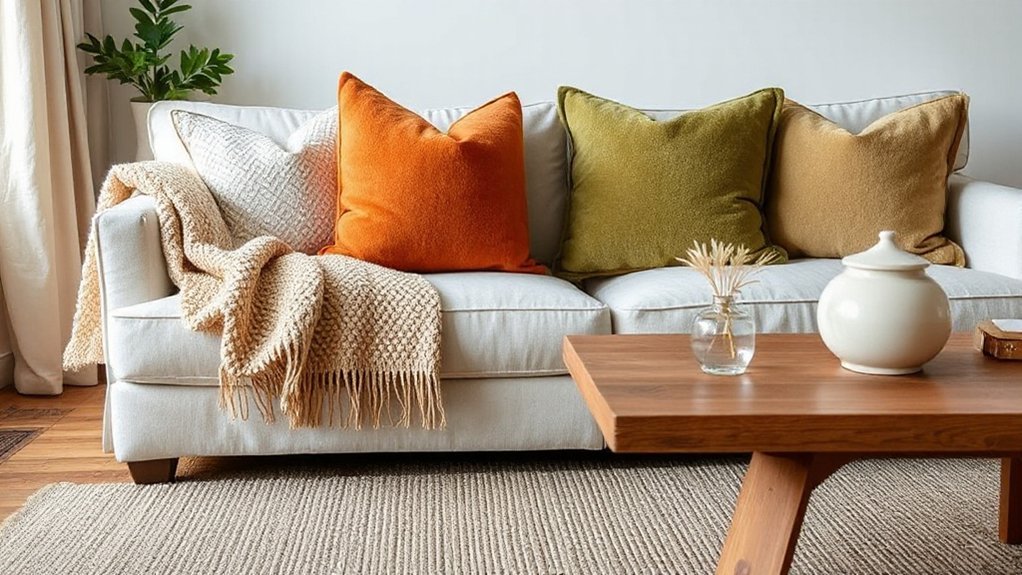
When a room feels flat, swapping in a few new pillows and throws instantly adds texture without touching your furniture or layout. Start with Textural accents that contrast your upholstery: nubby bouclé on smooth linen, chunky knit against sleek leather, or velvet to soften crisp cotton. Keep a tight palette (two solids plus one pattern) so the update reads intentional, not cluttered.
Use Decorative layering to build depth: place a larger pillow in back, a smaller patterned one in front, then drape a throw over the sofa arm for casual polish. Vary shapes—one lumbar, one square—while sticking to similar undertones. Rotate covers seasonally, and choose removable, washable fabrics so you’ll actually use them. Finish with one tactile “hero” piece, like mohair or faux fur, for a current, cozy hit.
Use the Right Rug Size and Placement
After you’ve refreshed your sofa with new pillows and a throw, lock the whole look in with a rug that’s sized and placed correctly. The right rug size makes your seating feel intentional, not like it’s floating, and smart rug placement improves flow and comfort underfoot. Use these quick checks before you buy or rotate what you already own:
- Place at least the front legs of sofas and chairs on the rug.
- Leave 8–12 inches of bare floor between rug edges and walls.
- For dining, choose a rug that extends 24 inches past the table on all sides.
- In bedrooms, run a large rug 18–24 inches beyond the bed, or add runners.
Stick to low-pile for high-traffic, and layer neutrals with subtle pattern.
Style Shelves and Tabletops in Minutes
Even if you don’t touch the furniture, you can make the whole room feel updated by restyling shelves and tabletops with a quick, edited approach. Start by clearing everything, then put back only what earns its spot. For shelf styling, aim for three to five groupings per section: stack two books horizontally, top with a small vessel, then balance with one vertical object. Mix finishes—matte ceramic, warm wood, a touch of black metal—so it feels current, not matchy.
For tabletop decor, use a tray to corral essentials, then add one low arrangement and one sculptural piece. Keep heights varied, leave negative space, and repeat a color from your rug or pillows for cohesion. Swap in seasonal stems or a new candle scent.
Hang Art and Add a Mirror for Depth
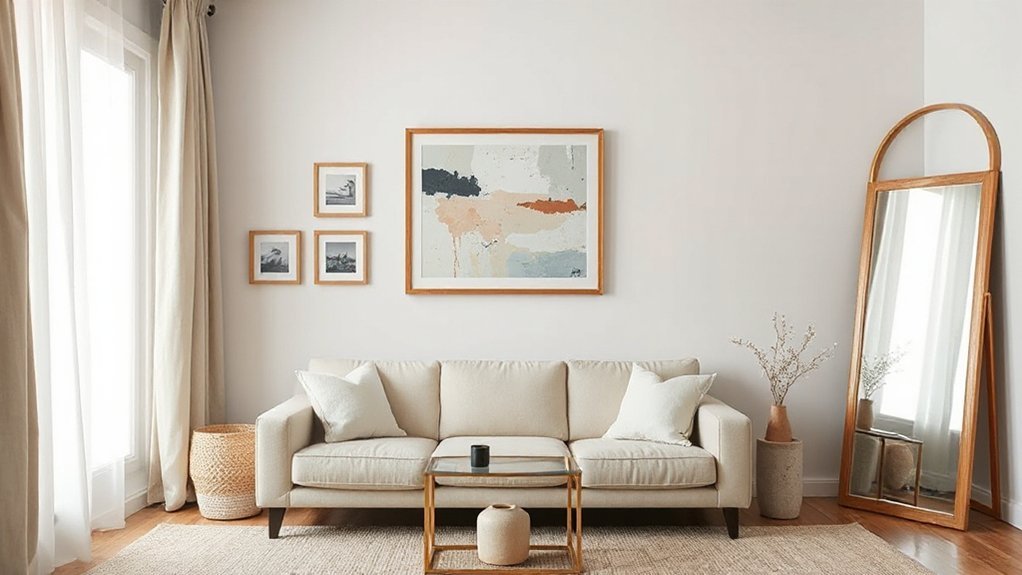
Because bare walls can make a space feel unfinished, you can update the room fast by rehanging art at the right scale and adding a mirror that bounces light and extends sightlines. Start by measuring: your wall art should fill about two-thirds the width of the sofa or console below it, and hang the center at eye level (around 57 inches). For a gallery wall, keep spacing consistent—2 to 3 inches looks intentional and current. Choose frames that repeat a finish already in the room for cohesion, then add decorative mirrors to amplify daylight and create depth.
- Anchor one oversized piece.
- Group 3–6 matching frames.
- Use painter’s tape to plan.
- Angle a mirror toward a window.
Add Low-Maintenance Plants to Finish the Room
Once your walls feel balanced with art and a well-placed mirror, add a few low-maintenance plants to make the room look finished and lived-in. Choose Low maintenance plants that match your light: a snake plant or ZZ for low light, pothos for medium, and a small rubber tree for bright corners. Keep the look current by mixing one floor plant with two smaller pots on a shelf or console. Use matte ceramic planters or woven baskets to echo your textiles. For easy care greenery, group plants on a tray to catch drips, and set a weekly reminder to check soil before watering. Rotate pots monthly so growth stays even, and wipe leaves for a clean, glossy finish.
Frequently Asked Questions
How Can I Update a Room on a Very Tight Budget?
You can update a room on a tight budget by rearranging furniture, adding DIY decor, and doing budget painting on an accent wall. Swap thrifted textiles, update hardware, layer lighting, and style surfaces with greenery.
What Are the Best Updates to Improve a Room’s Resale Value?
Channel a model home: you’ll boost resale with cohesive color schemes, smarter furniture arrangement, and high-ROI finishes. You can refresh paint to warm neutrals, swap dated lighting, update hardware, and declutter for airy flow.
How Do I Make a Room Look Bigger Without Changing the Layout?
You’ll make a room look bigger by using light Color schemes, adding mirrors, and choosing leggy furniture. You’ll maximize lighting enhancements with layered lamps and sheer curtains, keep floors visible, and declutter surfaces.
Which Quick Updates Are Best for Homes With Kids or Pets?
You’ll get the best results with Durable fabrics, washable slipcovers, and stain resistant paints in satin or eggshell. Swap in indoor-outdoor rugs, add wall hooks, choose rounded furniture, and use closed storage for clutter.
What Are the Most Common Decorating Mistakes to Avoid?
You’ll avoid common mistakes by fixing color coordination, improving clutter management, and balancing scale. A Houzz survey found 64% regret paint choices—test swatches first. Don’t overcrowd surfaces, ignore lighting layers, or buy trends without measuring.
Conclusion
You don’t need a renovation to make a room feel brand-new—you just need smarter swaps. Try a quick furniture shuffle, layer in warm lighting, and add color with peel-and-stick or removable accents. Refresh windows, update textiles, and size your rug correctly to anchor the space. Style surfaces with a few intentional pieces, then hang art and a mirror to boost depth. Bonus: studies show indoor plants can reduce stress by up to 37%, so add one.